When our production team ships thousands of enamel mugs each month, one question comes up again and again from procurement managers: how do I know these mugs are actually safe thermal shock resistance test reports 1? The truth is, a beautiful glossy finish can hide serious problems—lead in the glaze, weak enamel adhesion, or prints that fade after one wash.
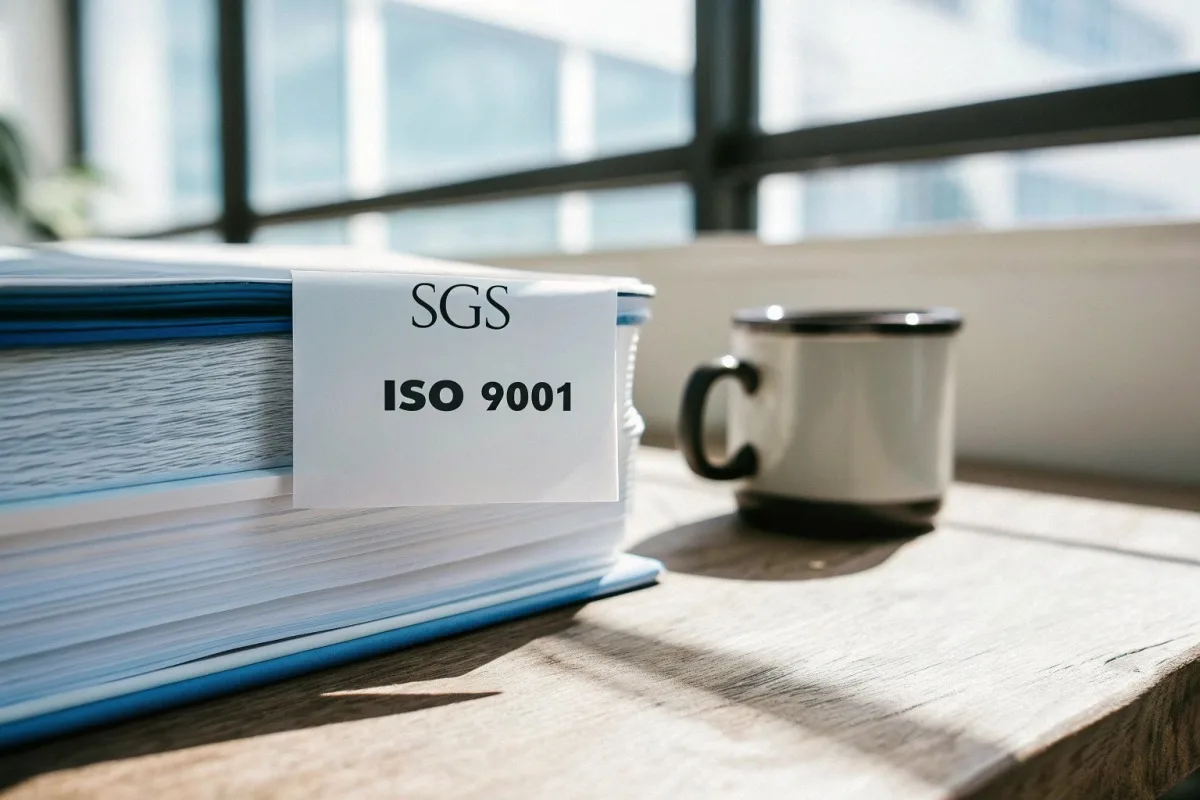
When sourcing custom enamel mugs, request FDA or LFGB food safety certifications, lead and cadmium migration test reports, thermal shock resistance documentation, enamel adhesion tests, and factory audit reports like ISO 9001:2015. These lot-specific third-party reports verify your mugs meet safety standards and durability requirements.
Let me walk you through exactly which reports to request and why each one matters for your business.
How do I ensure my custom enamel mugs meet FDA and LFGB food safety standards?
We have shipped enamel mugs to the US and Europe for over a decade. The biggest mistake buyers make? They accept a general "FDA compliant" claim without asking for lot-specific documentation.
To ensure FDA and LFGB compliance, request third-party lab reports showing migration test results for your specific production batch. FDA applies to US markets while LFGB certification covers stricter European Union requirements. Both test for harmful substances leaching into food and beverages under simulated use conditions.
What FDA Compliance Actually Means
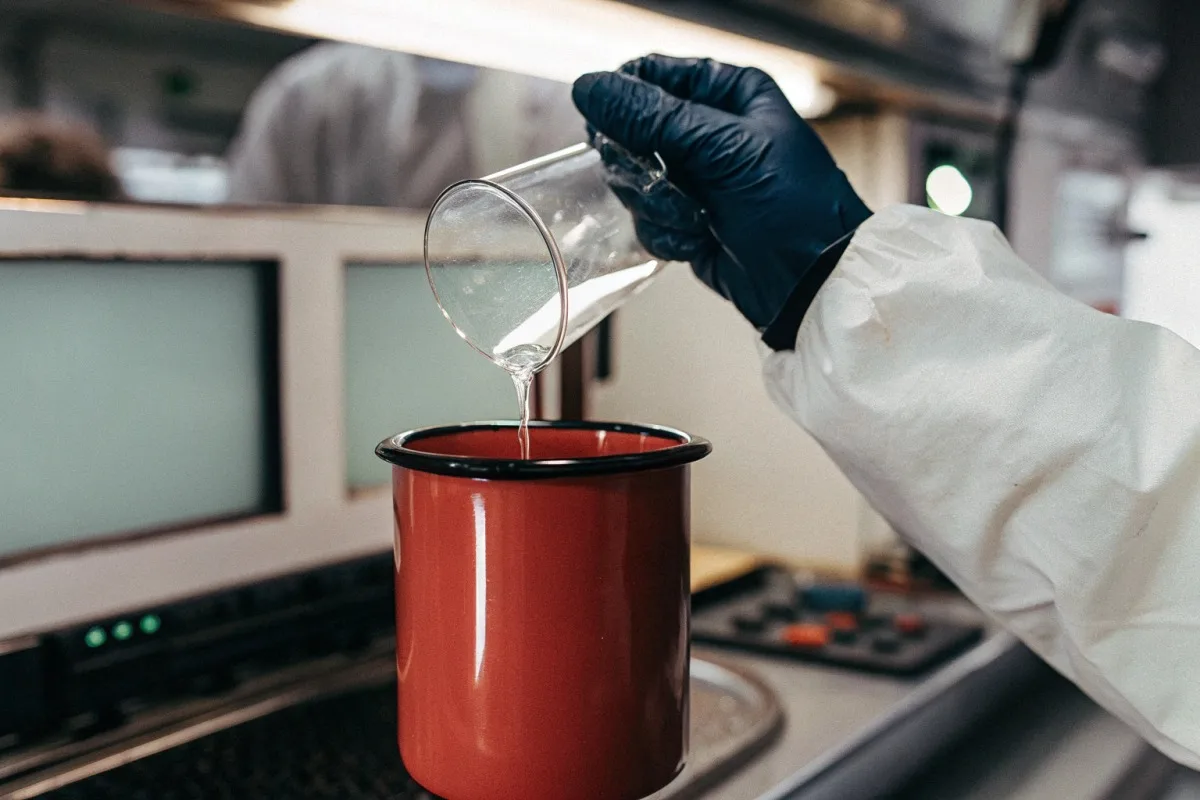
FDA compliance for enamelware focuses on the safety of materials that contact food. The glass enamel coating fused onto steel must not release harmful chemicals when exposed to hot or acidic beverages. This matters because your customers will use these mugs for coffee, tea, and even acidic drinks like fruit juice.
At our facility, we submit samples to accredited labs before every bulk shipment. The lab simulates real-world conditions—hot liquids, acidic solutions, and prolonged contact times. Only when results fall within safe limits do we proceed with production.
Why LFGB Is Stricter Than FDA
LFGB certification goes beyond FDA requirements. It tests for a wider range of substances and uses more aggressive simulation conditions. If you plan to sell in Germany, France, or other EU countries, LFGB is essential.
| Standard | Market | Key Tests | Strictness Level |
|---|---|---|---|
| FDA | United States | Lead, cadmium migration | Moderate |
| LFGB | European Union | Heavy metals, organic compounds | High |
| GB Standards | China | Heavy metals, coating safety | Moderate |
Red Flags to Watch For
Some suppliers provide outdated certificates or certificates from different production runs. Always ask: "Is this report linked to my order?" Generic certificates prove nothing about the mugs you will receive.
Request the lab report date, batch number, and testing laboratory name. Reputable labs include SGS, Intertek, and Bureau Veritas. If a supplier cannot provide lot-specific documentation, consider it a warning sign.
How to Verify Authenticity
Contact the testing laboratory directly using contact information from their official website—not from the certificate. Confirm the certificate number and batch details match. This simple step has saved several of our clients from receiving substandard products.
What specific lab reports do I need to verify lead and cadmium levels in my enamelware?
Our quality control team tests every batch for heavy metals before shipping. Why? Because lead and cadmium in enamel glazes cause serious health problems, and regulations are getting stricter every year.
Request migration test reports specifically measuring lead and cadmium extraction levels under food-contact conditions. Look for results expressed in milligrams per liter (mg/L) or parts per million (ppm), tested at temperatures matching actual use. Third-party labs like SGS or Intertek provide credible documentation.
Understanding Migration Testing
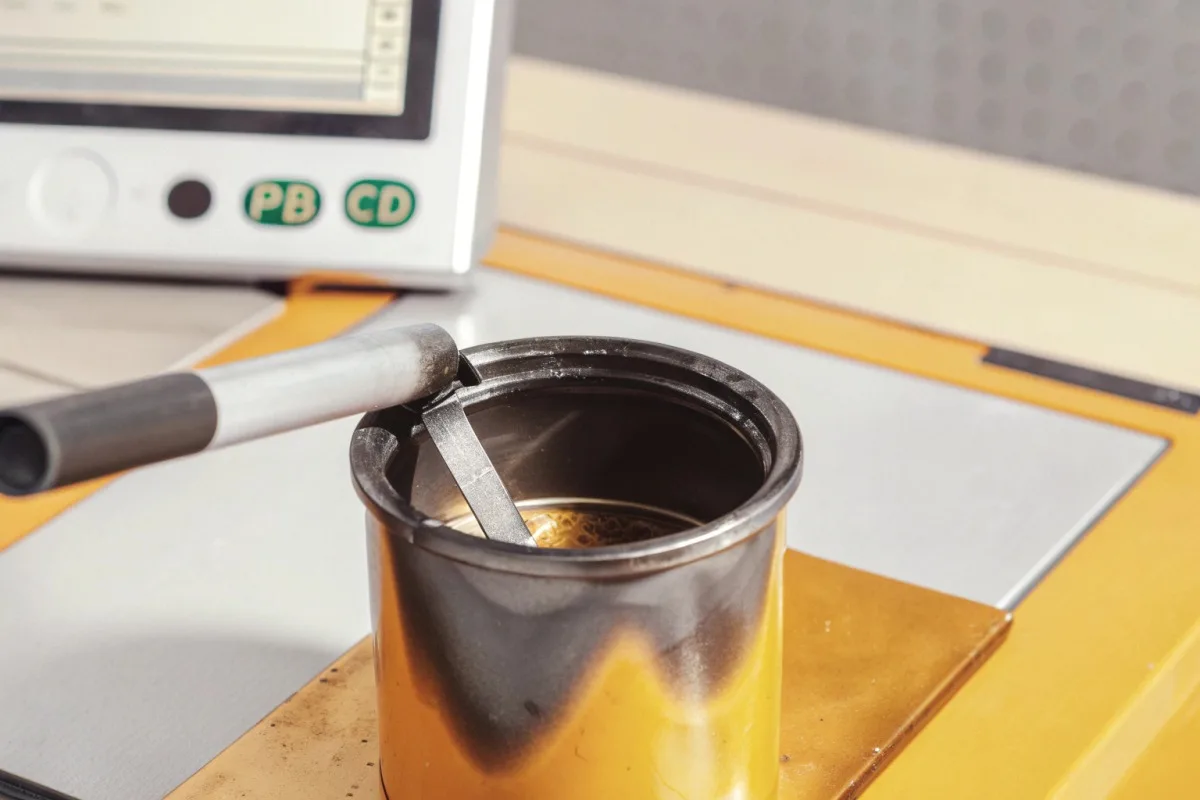
Migration testing measures how much of a substance transfers from the mug into liquid. lead and cadmium migration test reports 2 Labs fill mugs with simulant solutions—typically 4% acetic acid for acidic foods—and measure what leaches out over time. Temperature matters too. Hot beverages extract more substances than cold ones.
For our production, we test at 100°C for 30 minutes to simulate coffee or tea use. This aggressive testing ensures mugs remain safe even under demanding conditions.
Safe Limits You Should Know
Different markets set different limits. Knowing these numbers helps you evaluate lab reports accurately.
| Heavy Metal | FDA Limit | LFGB Limit | California Prop 65 |
|---|---|---|---|
| Lead | 0.5 ppm | 0.2 ppm | 0.1 ppm |
| Cadmium | 0.5 ppm | 0.1 ppm | 0.05 ppm |
California Proposition 65 3 has the strictest limits. If you sell in California, request testing against Prop 65 standards specifically.
Where Lead and Cadmium Hide
Lead and cadmium often appear in colored glazes and decorative elements. Red, orange, and yellow pigments historically contained these metals. Modern formulations avoid them, but cheap suppliers may cut corners.
Our design team selects only certified lead-free and cadmium-free pigments. We maintain material safety data sheets for every raw material and share these with clients on request.
Additional Heavy Metals to Consider
Beyond lead and cadmium, comprehensive testing should cover mercury, chromium, and nickel. Some buyers now request RoHS compliance, which restricts hazardous substances in electronics but provides useful benchmarks for consumer goods.
| Test Type | Substances Covered | Recommended For |
|---|---|---|
| Basic Migration | Lead, cadmium | All markets |
| Extended Migration | Mercury, chromium, nickel | Premium products |
| RoHS Compliance | Six hazardous substances | European markets |
| REACH Compliance | 200+ chemicals | High-end brands |
Can I request a thermal shock test report to guarantee my mugs won't crack during use?
We learned this lesson the hard way early in our business. A client used our mugs over an open campfire, and some cracked from rapid temperature changes. Now thermal shock testing is standard for every product line we manufacture.
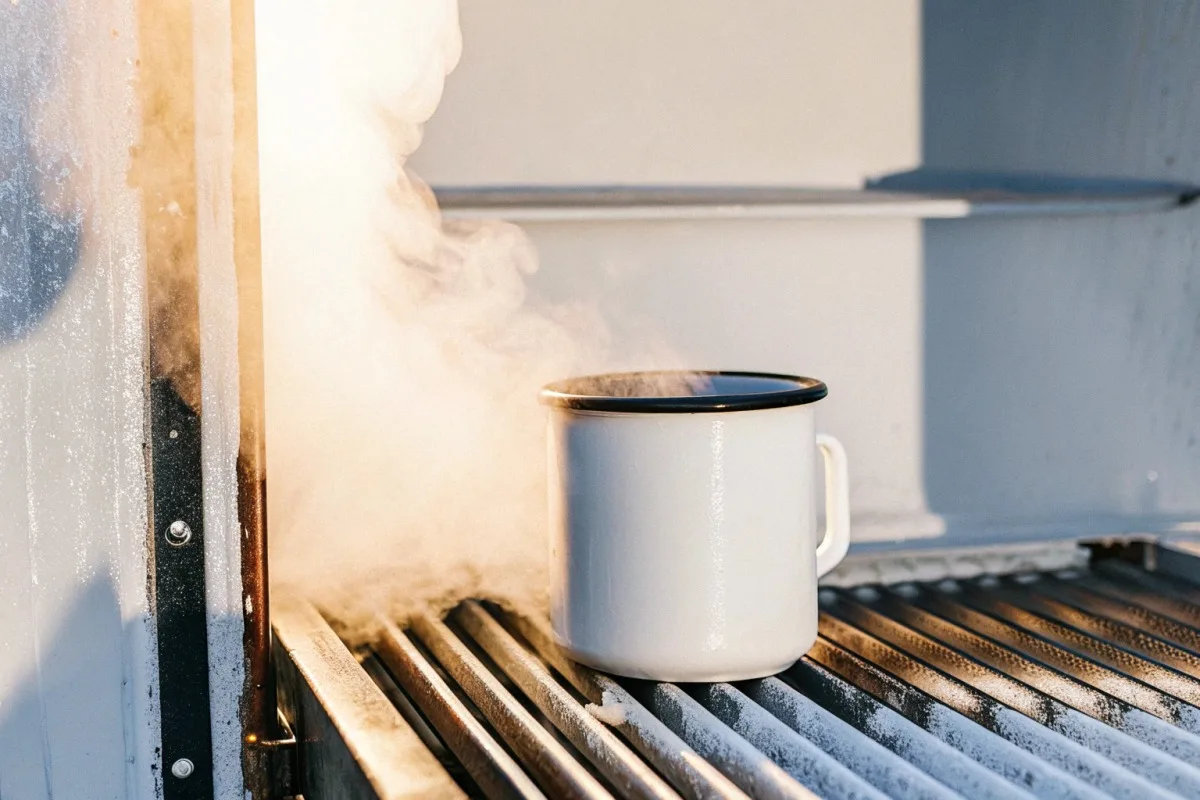
Yes, you should request thermal shock resistance test reports. These reports verify that enamel mugs withstand rapid temperature changes—from campfire heat to cold water—without cracking or enamel delamination. Quality mugs endure temperature differentials of at least 200°C without damage.
How Thermal Shock Testing Works
Labs heat mugs to high temperatures, then rapidly cool them by immersion in cold water. This cycle repeats multiple times. Technicians then inspect for cracks, chips, and enamel separation. The test simulates real-world abuse—think camping, outdoor cooking, or dishwasher use.
At our factory, we test mugs at 300°C then plunge them into 20°C water. If the enamel survives five cycles without damage, we approve the batch.
Why Enamel Thickness Matters
Thicker enamel coatings resist thermal shock better than thin ones. The ideal range falls between 0.3mm and 0.5mm. Thinner coatings chip easily. Thicker coatings may crack under stress.
| Enamel Thickness | Durability | Heat Distribution | Cost |
|---|---|---|---|
| < 0.3mm | Poor | Uneven | Low |
| 0.3-0.5mm | Excellent | Even | Medium |
| > 0.5mm | Good | Slower | High |
Single-Coat vs Double-Coat Enamel
We recommend double-coat enamel for any product intended for outdoor or heavy use. Single-coat mugs cost less but chip more easily. Double-coat mugs add a second layer of glass enamel, creating superior durability.
The first coat bonds directly to the steel substrate. The second coat provides a smooth, chip-resistant surface. This construction method adds cost but dramatically reduces warranty claims and customer complaints.
Additional Durability Tests to Request
Beyond thermal shock, consider requesting these related tests:
Drop Test: Simulates accidental drops onto hard surfaces. Quality mugs survive drops from counter height.
Adhesion Test: Measures how strongly enamel bonds to steel. Poor adhesion leads to flaking and delamination.
Impact Test: Applies controlled force to the enamel surface. Results indicate chip resistance during shipping and handling.
Rim Strength Test: Rolled rims resist chips better than raw edges. Ask for documentation confirming rim construction.
Which factory audit reports should I review to confirm my supplier's quality control process?
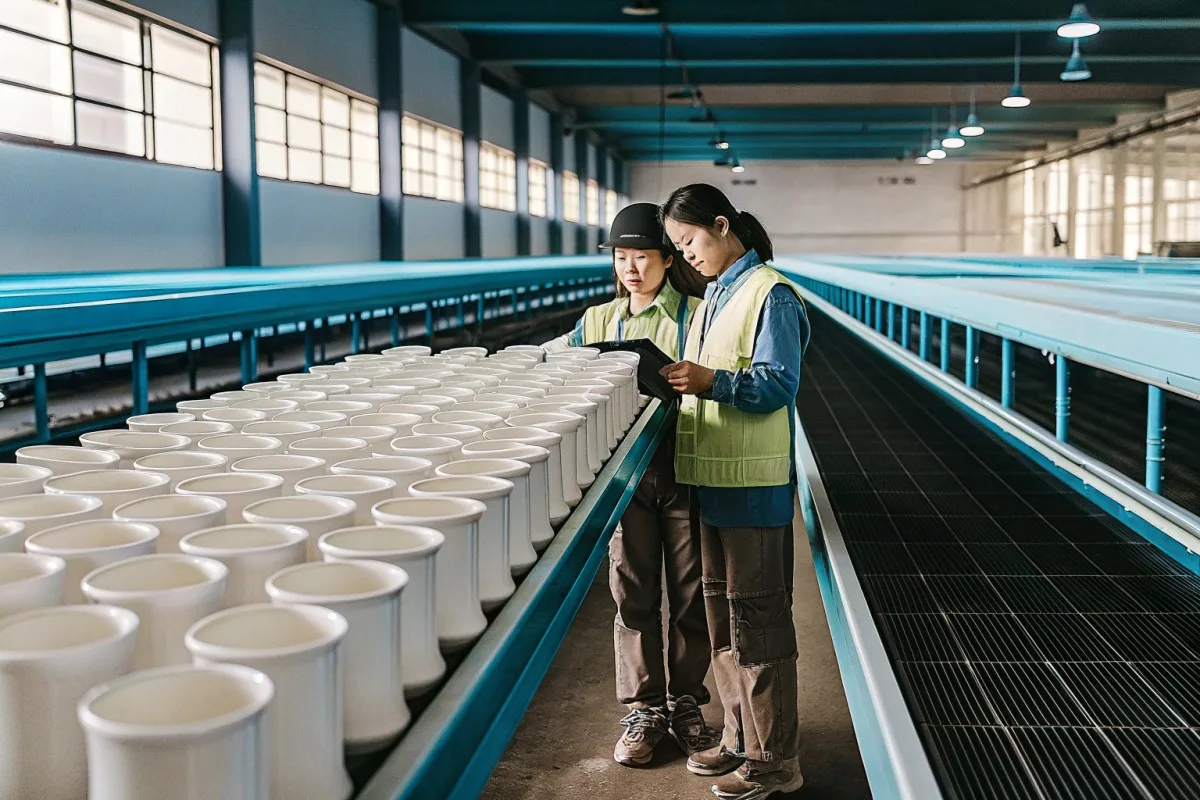
When buyers visit our facility in Huizhou, they always ask about our quality systems. Documentation matters as much as equipment. A factory can own the best machines but still produce inconsistent products without proper quality control processes.
Review ISO 9001:2015 certification, BSCI or SMETA ethical audit reports, incoming material inspection records, in-process quality checks, and final inspection documentation. These reports verify consistent manufacturing processes and help you assess supplier reliability before committing to large orders.
ISO 9001:2015 Certification Explained
ISO 9001:2015 4 certifies that a factory follows documented quality management processes. It does not guarantee product quality directly. Instead, it confirms the factory has systems to maintain consistent quality over time.
When reviewing ISO certificates, check the scope statement. Some factories certify only certain product lines or departments. Confirm the certificate covers enamelware production specifically.
Social Compliance Audits
Ethical sourcing matters to modern brands. BSCI and SMETA audits verify factories treat workers fairly, maintain safe working conditions, and follow environmental regulations. BSCI or SMETA ethical audit reports 5
| Audit Type | Focus Area | Recognition |
|---|---|---|
| BSCI | Labor rights, safety | European retailers |
| SMETA | Ethical trade | Global brands |
| SA8000 | Social accountability | US companies |
| WRAP | Production safety | Apparel, accessories |
Our facility maintains BSCI certification and welcomes third-party audits. We find these audits improve our processes while giving buyers confidence in their supply chain.
Production Quality Records to Request
Ask your supplier for samples of their internal quality documentation. Responsible factories maintain detailed records at each production stage.
Incoming Material Inspection: Raw material test results for steel sheets, enamel powders, and pigments. These records prove materials meet specifications before production begins.
In-Process Checks: Dimensional measurements, enamel thickness readings, and visual inspections during production. Regular checks catch problems early.
Final Inspection Reports: AQL sampling results, defect classifications, and pass/fail rates. These reports should reference your specific order number.
How to Evaluate Supplier Responses
Pay attention to how quickly and completely suppliers respond to documentation requests. Delays or vague answers suggest weak quality systems. Professional suppliers maintain organized records and share them readily.
Request sample reports before placing orders. Compare documentation from multiple suppliers. The supplier with the most comprehensive and transparent records usually delivers the most reliable products.
Building Long-Term Quality Partnerships
Quality documentation serves two purposes. First, it protects your business from unsafe or defective products. Second, it builds trust between buyer and supplier. When we share detailed reports with clients, they gain confidence to increase order volumes and develop new products together.
Establish clear documentation requirements in your purchase agreements. Specify which reports you need, when you need them, and what standards they must meet. This clarity prevents misunderstandings and ensures consistent quality over time.
Conclusion
Requesting the right quality test reports protects your brand and your customers. Focus on FDA or LFGB food safety certifications 6, lead and cadmium migration tests, thermal shock documentation, and factory audit records. These reports transform supplier relationships from risky transactions into reliable partnerships.
Footnotes
1. Discusses the ability of materials to withstand rapid temperature changes. ↩︎
2. Details migration testing for heavy metals in food contact materials. ↩︎
3. Official California government site explaining the Safe Drinking Water and Toxic Enforcement Act. ↩︎
4. Official resource for the international quality management system standard. ↩︎
5. Compares BSCI and SMETA, key ethical auditing standards for supply chains. ↩︎
6. Replaced HTTP unknown with an authoritative page from TÜV Rheinland, a globally recognized testing and certification body, detailing LFGB food contact grade testing. ↩︎