Our production team handles thousands of custom enamel mug orders each year. One question keeps coming up from buyers: “Can these go in the microwave?” The answer surprises many. Getting it wrong can damage customer trust and expose your brand to serious liability.
Custom enamel mugs should never be marketed as microwave-safe. The steel core beneath the enamel coating reflects microwave energy, causing dangerous arcing, sparks, and potential fires. Essential precautions include verifying material composition, demanding certifications, implementing clear warning labels, and educating end consumers about safe heating alternatives.
Let’s walk through everything you need to know to protect your customers and your brand reputation.
Can I safely market my custom enamel mugs as microwave-safe to my high-end retail customers?
When we first started exporting to premium retailers in the US and Germany, many asked about microwave compatibility. The honest answer disappointed some buyers. But transparency here protects everyone involved.
No, you cannot safely market custom enamel mugs as microwave-safe. True enamelware contains a steel or iron core that reflects microwave radiation. This causes arcing, sparks, and fire risks. Even high-end enamel mugs follow this rule. Marketing them as microwave-safe creates liability exposure and endangers consumers.
Understanding Why Metal and Microwaves Don't Mix
The science is straightforward. Microwaves heat food by exciting water molecules. Metal reflects these waves instead of letting them pass through. microwave radiation 1 When microwaves bounce off metal surfaces, electrons jump between points. This creates visible sparks called arcing.
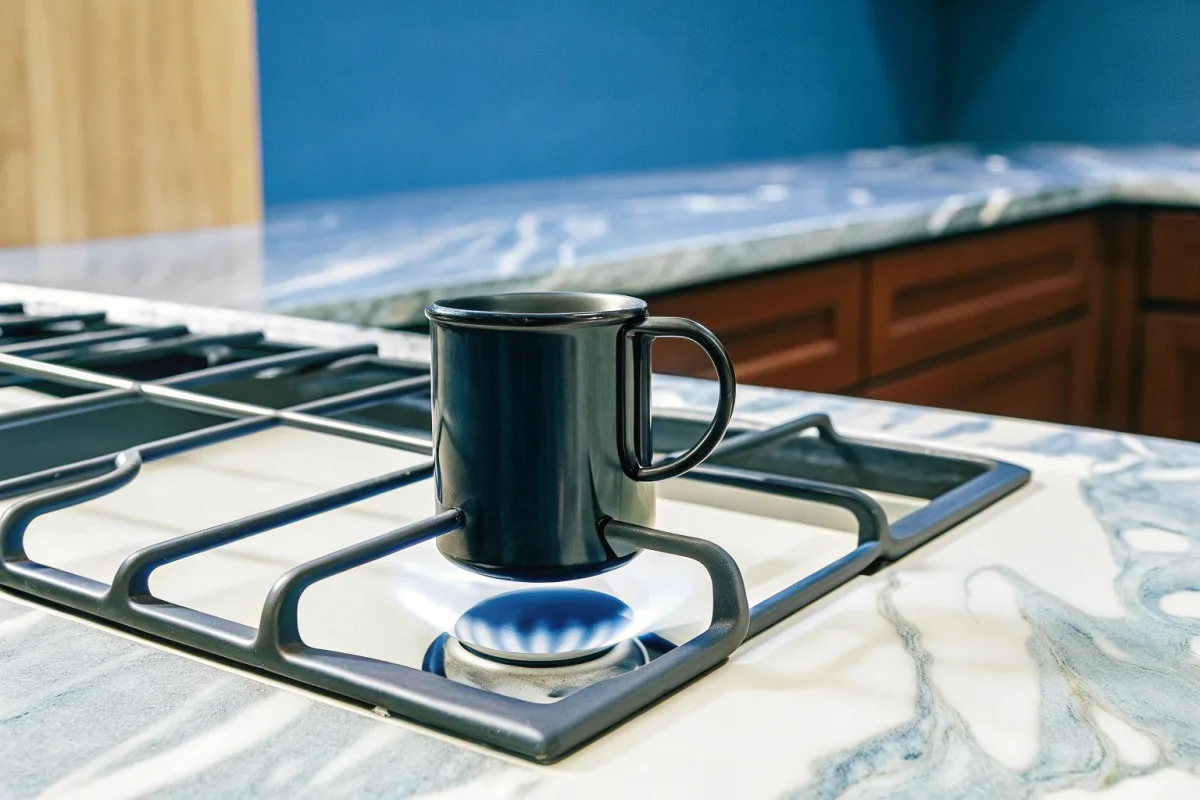
Enamel mugs have a steel base. steel core 2 The enamel coating is glass-like material fused onto metal at around 1700°F. This construction makes them perfect for direct heat sources. Stovetops, campfires, and ovens work great. But the metal core remains underneath that glossy finish.
The "Enamel-Style" Ceramic Confusion
Some ceramic mugs have an enamel-style appearance. These are different products entirely. Ceramic mugs without metal can be microwave-safe. The confusion hurts both categories.
| Feature | True Enamel Mug | Enamel-Style Ceramic |
|---|---|---|
| Base Material | Steel or Iron | Clay/Ceramic |
| Microwave Safe | No | Usually Yes |
| Stovetop Safe | Yes | No |
| Campfire Safe | Yes | No |
| Weight | Heavier | Lighter |
| Durability | Very High | Moderate |
What High-End Retailers Need to Know
Premium buyers expect premium communication. When pitching to upscale retailers, frame the limitation as a feature. Enamel mugs connect to outdoor heritage. They work over open flames. They last for decades.
Position microwave incompatibility as part of authentic craftsmanship. Our experience shows that honest marketing builds stronger retail relationships. Buyers appreciate suppliers who help them avoid customer complaints.
Real-World Consequences of Mislabeling
We've heard stories from partners about returned products. One distributor received angry emails after a customer's microwave sparked. The mug wasn't damaged. But the customer felt deceived. Returns cost money. Bad reviews cost more.
Clear communication prevents these problems. Include microwave warnings in your product descriptions. Add care instructions to packaging. Train your retail partners on proper messaging.
How do I verify that my supplier's materials won't cause sparking or hazards in a microwave?
Our quality control team tests every batch before shipping. We've developed verification protocols over years of production. Knowing what to ask separates good sourcing from risky purchasing.
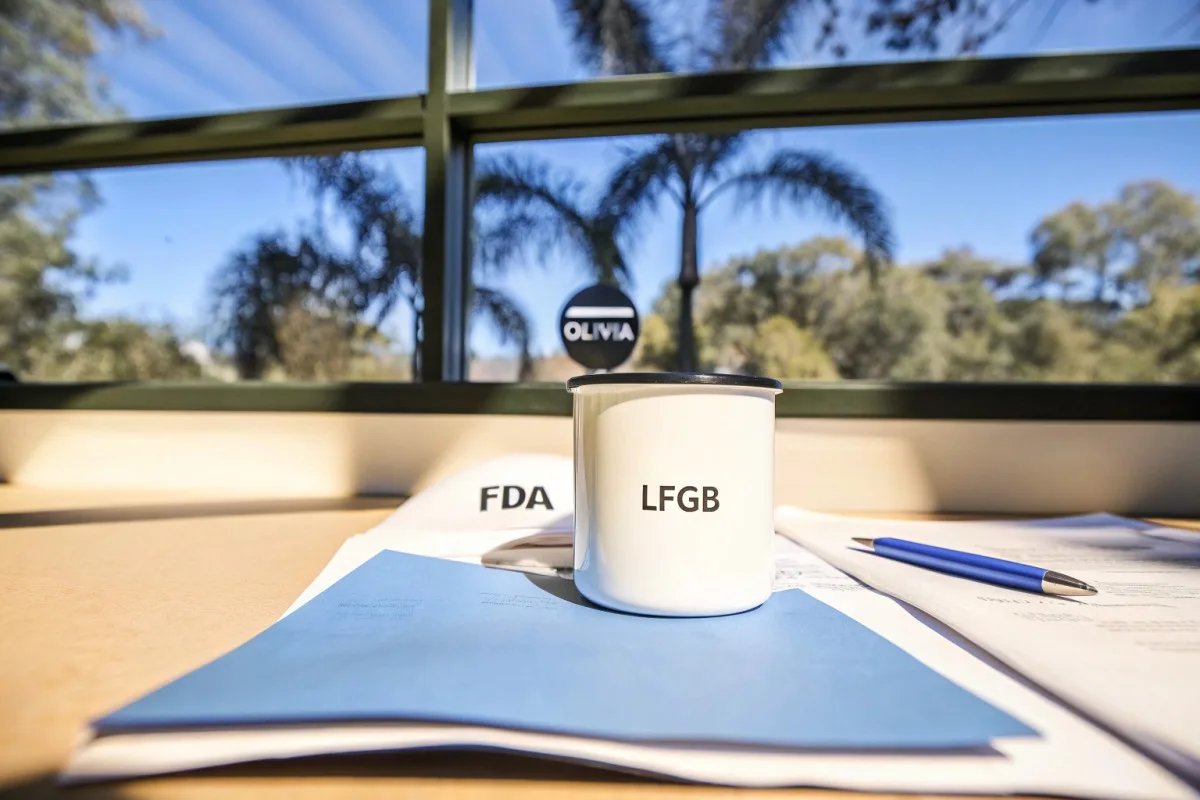
Request detailed material specifications including base metal type (carbon steel, stainless steel grade), enamel composition, and firing temperatures. Demand FDA or LFGB certifications for food contact safety. Ask for sample testing reports. Inspect for metallic decorations, gold trim, or metallic inks that create additional microwave hazards.
Key Questions for Your Supplier
Start conversations with specific technical questions. Vague answers indicate potential problems. Professional manufacturers welcome detailed inquiries.
Ask about the steel grade. Common options include carbon steel and stainless steel (304 or 316 grades). Both contain metal that causes arcing. There's no "microwave-safe steel" for mugs.
Ask about the enamel formula. Quality enamel uses food-grade materials without heavy metals like lead or cadmium. Certifications prove this. FDA or LFGB certifications 3
Certification Checklist
| Certification | What It Covers | Why It Matters |
|---|---|---|
| FDA (US) | Food contact safety | Required for US market |
| LFGB (EU) | Heavy metal migration | Required for German market |
| CA Prop 65 | Chemical safety | California compliance |
| SGS Testing | Third-party verification | Independent validation |
Visual Inspection Points
When samples arrive, examine them carefully. Look beyond the glossy surface.
Check for smooth rims. Rough edges indicate poor quality control. They also chip more easily over time.
Look for pinholes in the enamel. These tiny gaps expose metal underneath. They worsen with use and create rust points.
Examine any custom printing. Metallic inks or foil decorations add microwave danger. Even small metallic accents cause sparking.
Hidden Hazards in Customization
Custom designs introduce extra variables. The base mug might be safe for its intended use. But decoration methods can change this.
Gold or silver trim looks elegant. It also sparks violently in microwaves. Metallic screen printing creates similar problems.
Ask your supplier about ink composition. Request samples before full production. Test decorated mugs separately from plain samples.
Building Long-Term Supplier Relationships
Good suppliers become partners in quality. They share test reports proactively. They alert you to material changes. They welcome factory visits.
Our team maintains open communication with buyers. We send lot-linked safety reports with each shipment. This documentation protects both parties if questions arise later.
What specific quality control tests should I request to confirm the microwave safety of my order?
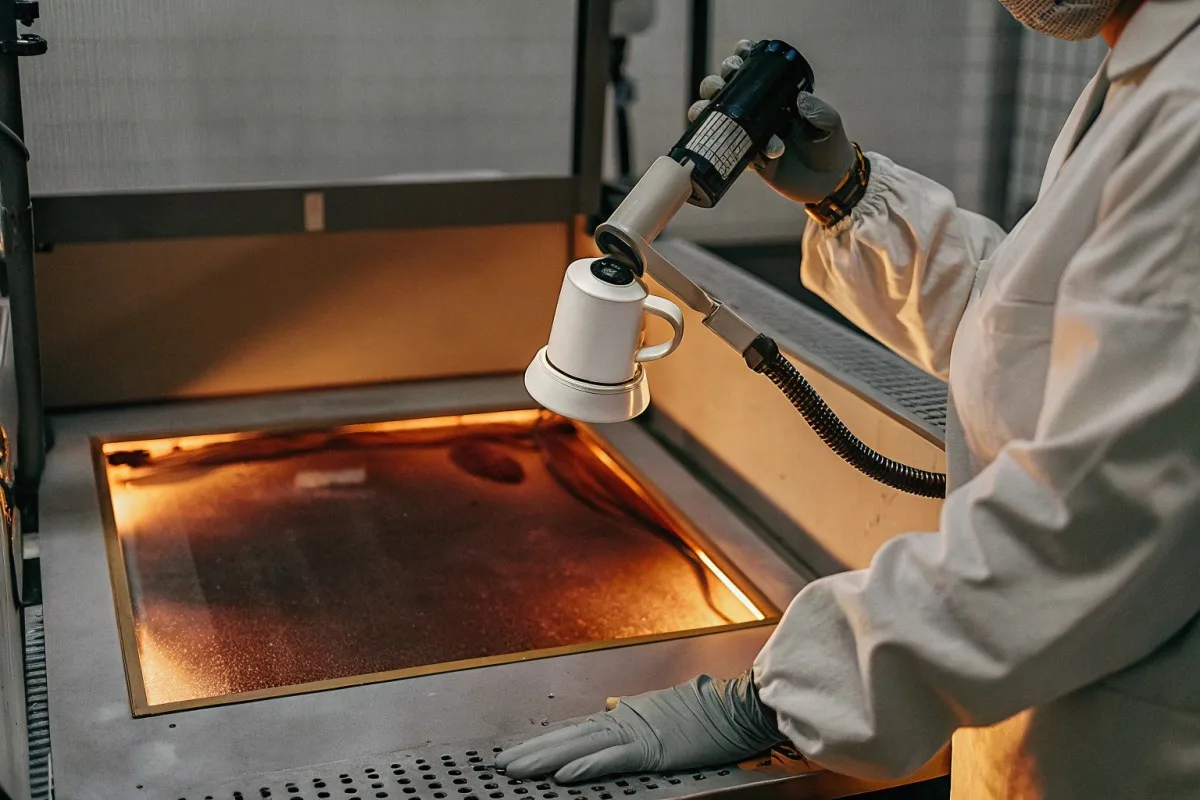
In our testing laboratory, we run multiple checks on every production run. Some tests verify food safety. Others confirm durability. None can make enamel mugs microwave-safe. But proper testing ensures they're safe for appropriate use.
Request heavy metal migration testing (lead, cadmium limits), thermal shock resistance testing, enamel adhesion testing, and rim smoothness inspection. Ask for lot-specific test certificates tied to your order. While no test makes enamel microwave-compatible, these verify the mug won't leach chemicals or chip dangerously during proper heating methods.
Essential Test Categories
Quality control for enamel mugs covers several areas. Each test serves a specific purpose.
Material safety testing checks for harmful substances. heavy metal migration testing 4 Heavy metals in low-quality enamel can leach into hot beverages. FDA and LFGB standards set strict limits.
Durability testing predicts product lifespan. thermal shock resistance testing 5 Thermal cycling tests expose mugs to repeated heating and cooling. Weak enamel cracks under stress.
Detailed Testing Requirements
| Test Type | Method | Acceptable Result |
|---|---|---|
| Lead Migration | Acid extraction | <0.5 ppm |
| Cadmium Migration | Acid extraction | <0.25 ppm |
| Thermal Shock | Hot/cold cycling | No cracking after 10 cycles |
| Enamel Adhesion | Cross-cut test | No peeling or flaking |
| Rim Smoothness | Visual + tactile | No sharp edges or burrs |
Understanding Test Reports
Test reports use technical language. Learn to read them accurately.
Migration testing measures substances that leach from the mug into liquid. Lower numbers are better. Zero is ideal.
Thermal shock testing simulates real-world use. Mugs heat up on stovetops. They cool down when removed. This cycling stresses the enamel bond.
Sample Testing Before Full Orders
Never skip sample testing. Even trusted suppliers have occasional quality variations.
Order samples from the exact production batch you're considering. Test them yourself if possible. Simple checks reveal a lot.
Fill the sample mug with boiling water. Let it sit. Pour out and repeat several times. Check for enamel changes, discoloration, or unusual odors.
Documentation for Your Records
Keep all test certificates organized. They prove due diligence if problems arise.
Create a filing system by supplier, order date, and lot number. Store both digital and physical copies. Include photos of samples alongside paperwork.
This documentation protects your brand legally. It also helps identify patterns over time. Consistent quality from a supplier shows in consistent test results.
Our customer service team helps buyers prevent problems before they happen. We've seen what works and what doesn't. Proactive protection costs far less than reactive damage control.
Protect your brand through permanent warning labels on products, detailed care instructions in packaging, clear disclaimers in marketing materials, and retailer education programs. Document everything. Consider product liability insurance. Create response protocols for complaints. Prevention through communication beats crisis management every time.

Warning Label Best Practices
Labels must be permanent and visible. Temporary stickers get removed. Hidden warnings go unread.
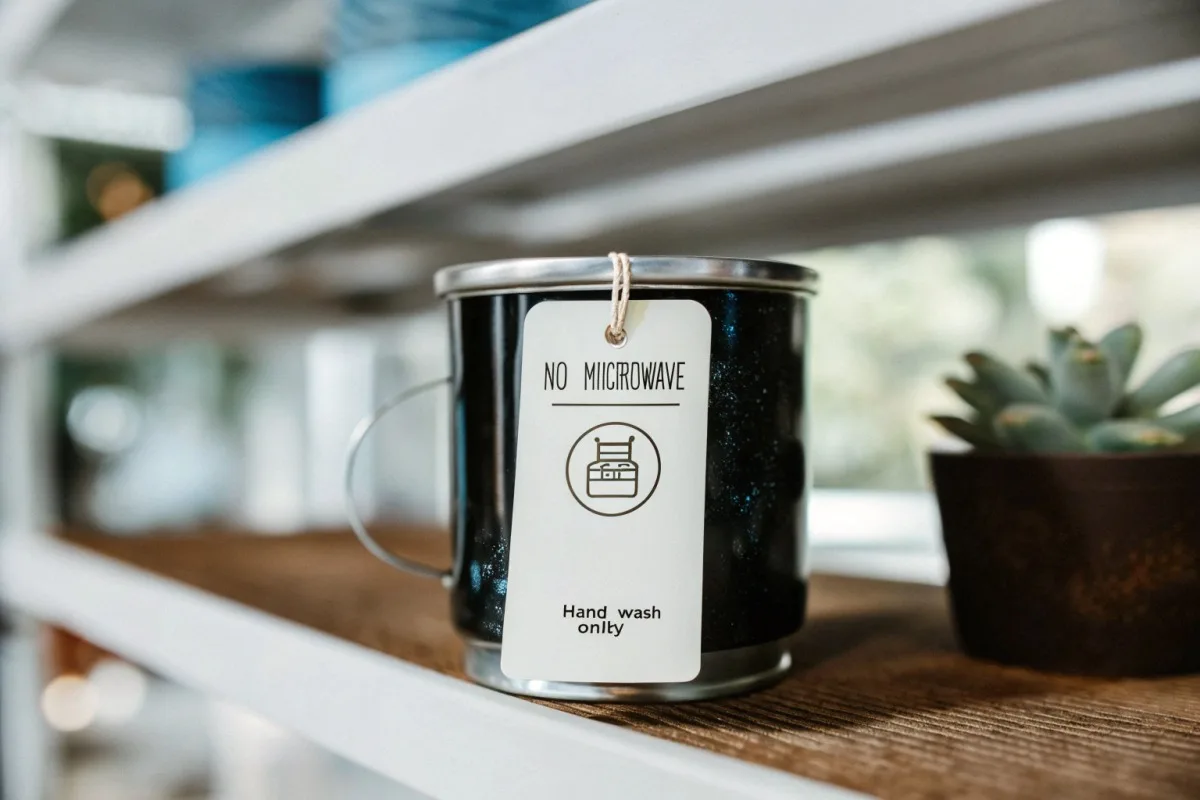
Fire the warning into the enamel itself when possible. Bottom-of-mug placement keeps messaging discreet but permanent.
Use universal symbols alongside text. Not everyone reads English. A crossed-out microwave icon communicates instantly.
Packaging Insert Content
Include a care card with every mug. Make it attractive enough to keep. Ugly instructions get thrown away.
Cover these topics on your care insert:
- Safe heating methods (stovetop, campfire, oven)
- Unsafe methods (microwave, dishwasher harsh cycles)
- Cleaning recommendations
- Chip inspection guidelines
- Replacement timing
Marketing Material Disclaimers
Website listings need clear statements. Don't bury them in fine print.
Product descriptions should mention heating capabilities early. "Perfect for stovetop and campfire use. Not microwave compatible." Simple and clear.
FAQ sections can expand on why. Educated customers become loyal customers. They appreciate honest information.
Retailer Communication
Your retail partners need training materials. They face customer questions directly.
Create a simple FAQ document for retailers. Include common questions and approved answers. Give them language that protects everyone.
Offer co-branded care cards if helpful. This shares responsibility visibly. Customers see both brand names providing guidance.
Insurance and Legal Considerations
Product liability insurance 6 costs relatively little. It provides significant protection.
Consult with an attorney about your specific market. Requirements vary by country. US litigation exposure differs from EU standards.
Document your safety communications thoroughly. Emails, packaging approvals, label designs—save everything. This paper trail demonstrates good faith efforts.
Handling Customer Complaints
Even with perfect prevention, some complaints will arrive. Prepare response protocols in advance.
Respond quickly and empathetically. Acknowledge the customer's experience. Explain the product limitation clearly.
Offer reasonable solutions. Replacement mugs, refunds, or store credit maintain goodwill. Fighting customers costs more than accommodating them.
Conclusion
Protecting your brand while sourcing custom enamel mugs requires clear communication at every step. Verify materials, demand certifications, implement visible warnings, and educate your retail partners.
Footnotes
1. Authoritative government source on microwave radiation and safety. ↩︎
2. Explains why enamelware with a metal core is not microwave safe. ↩︎
3. Explains the importance of both FDA and LFGB for food contact materials. ↩︎
4. Details the process of testing for harmful heavy metals in food contact items. ↩︎
5. Describes testing methods to ensure material durability against temperature changes. ↩︎
6. Explains the importance and coverage of product liability insurance for businesses. ↩︎