
Every week, our sales team receives messages from buyers who got burned by unreliable suppliers ISO9001 1. They ordered samples that looked perfect. Then the bulk shipment arrived with chipped enamel, wrong colors, and packaging damage. This problem costs brands thousands of dollars and months of wasted time.
To screen custom enamel mug suppliers on Alibaba effectively, verify their manufacturer status through factory audits, check certifications like ISO9001 and FDA compliance, request physical samples before bulk orders, use Trade Assurance for payment protection, and evaluate their customization capabilities through detailed communication on the platform.
In this guide, I will walk you through the exact steps we recommend to our clients Trade Assurance 2. You will learn how to spot fake manufacturers, catch quality red flags early, assess complex OEM capabilities, and avoid logistics nightmares. Let us dive in.
How do I verify if an Alibaba enamel mug supplier is a genuine manufacturer or just a trading company?
When we first started exporting enamel mugs from our Huizhou facility, we noticed many buyers could not tell real factories apart from middlemen. This confusion leads to higher costs and communication gaps. The difference matters more than most buyers realize.
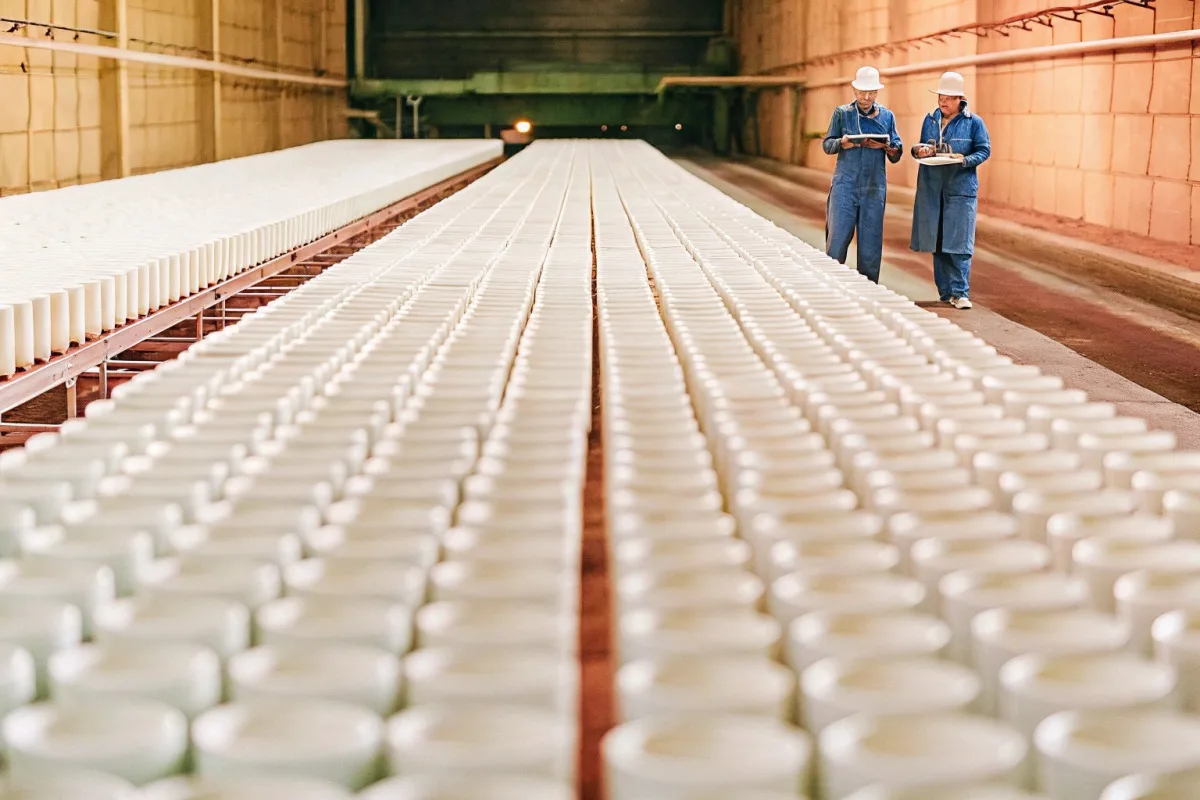
To verify a genuine manufacturer, check for Alibaba's "Verified Supplier" badge, request factory video tours, review production line photos in their profile, ask for business license details showing "manufacturing" as their registered activity, and confirm they have in-house equipment for steel stamping, enamel coating, and kiln firing.
Why the Distinction Matters
Trading companies add 15-30% markup to your order. They also create a communication layer between you and the actual factory. When problems arise, they cannot make quick decisions. Real manufacturers control quality directly. They can adjust production on the fly.
Key Verification Steps
Start with the Alibaba profile. Look for these specific details:
| Verification Point | What to Look For | Red Flag |
|---|---|---|
| Business Type | "Manufacturer" listed | Only "Trading Company" |
| Factory Photos | Production lines, equipment | Stock photos, showroom only |
| Staff Count | 50+ for real production | Under 10 employees |
| Revenue Range | US$5M-$50M typical | Vague or missing data |
| Response Rate | Above 80% | Below 60% |
Request a Virtual Factory Tour
Ask suppliers for a live video call showing their production floor. During our own client visits, we show the entire process. This includes steel sheet cutting, deep drawing, enamel spraying booths, and tunnel kilns. Trading companies cannot fake this.
Check Business License Details
Chinese manufacturers must register their business scope. Ask for their "Yingye Zhizhao 3" (business license). The document lists permitted activities. Look for terms like "enamelware production" or "metal product manufacturing." Trading companies show "wholesale" or "import-export" instead.
Evaluate Their Product Range
Real enamel mug manufacturers offer related items. They make plates, bowls, and camping cookware using similar processes. A supplier selling only mugs plus unrelated products like phone cases is likely a trading company.
Geographic Clues
Most genuine enamel mug factories cluster in two regions:
| Region | Characteristics | Best For |
|---|---|---|
| Zhejiang (Ningbo, Hangzhou) | Vertically integrated, high volume, fast shipping via Ningbo port | Bulk orders, standard designs |
| Guangdong (Shenzhen, Guangzhou) | Custom focus, Pantone matching, small batches | OEM/ODM, premium finishes |
Suppliers claiming to manufacture in Shanghai or Beijing raise concerns. These cities have high costs and few enamelware factories.
What quality control red flags should I look for when reviewing my custom enamel mug samples?
Our QC team inspects hundreds of mugs daily. We have seen every defect possible. The samples you receive tell you everything about a supplier's true capabilities. But you need to know what to examine.
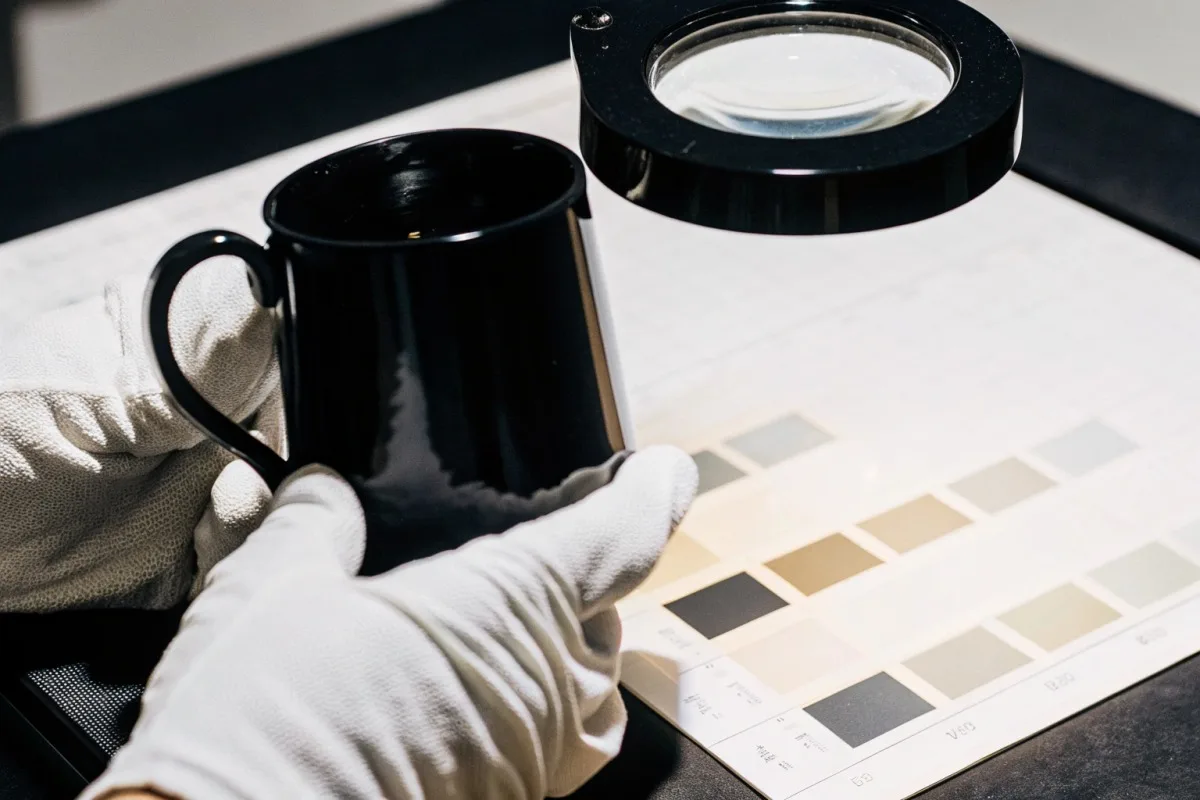
Key quality red flags include uneven enamel thickness, visible steel exposure at rims, bubbles or pinholes in the coating, poorly aligned custom printing, rough handles that scratch skin, and color variation between sample units. Also check for proper coating inside the mug where liquid contacts the surface.
The Critical First Inspection
When samples arrive, do not just admire them. Conduct a systematic review. Here is our internal checklist adapted for buyers:
Visual Inspection Points
Hold the mug under bright light. Rotate it slowly. Look for these issues:
- Bubbles trapped under enamel surface
- Fish-eye defects (small circular bare spots)
- Orange peel texture (uneven coating)
- Drips or runs at the bottom edge
- Color inconsistency between multiple samples
Physical Testing Methods
Simple tests reveal durability problems:
| Test | Method | Pass Criteria |
|---|---|---|
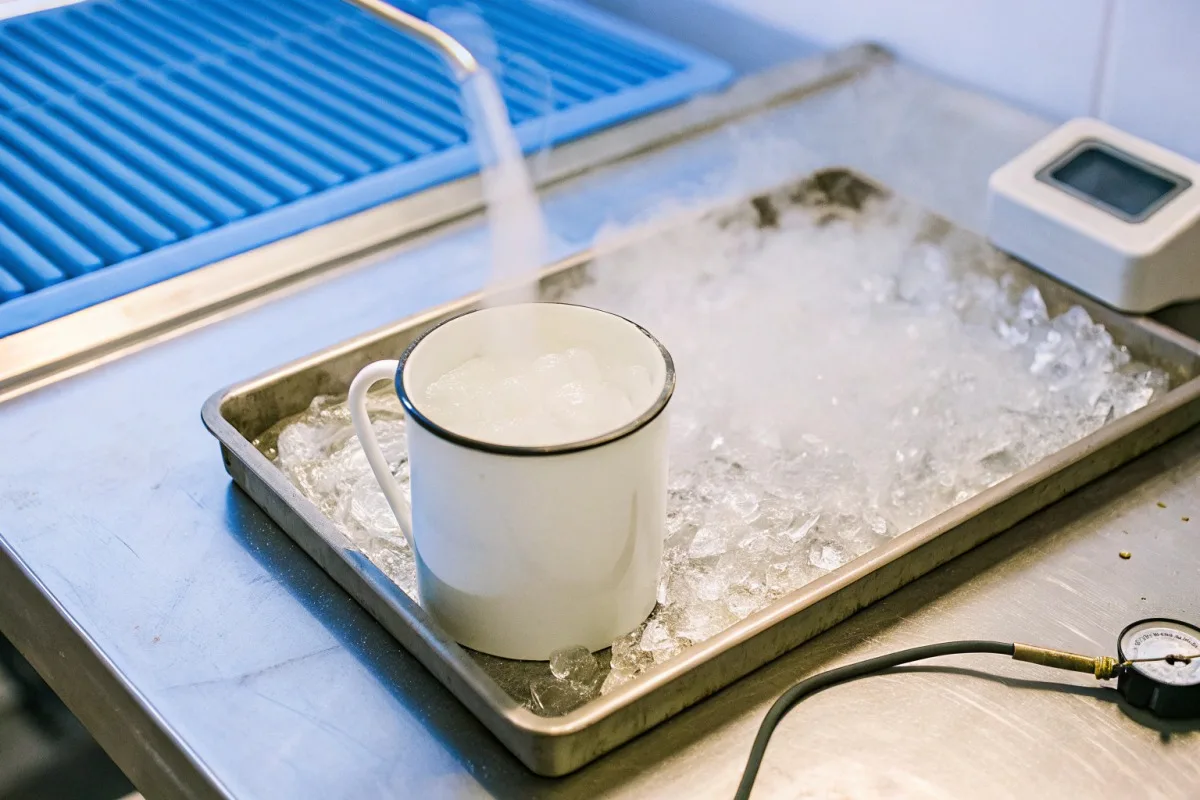
| Thermal Shock | Pour boiling water, then ice water | No cracking, no enamel chips |
| Scratch Test | Run fingernail along print | Print stays intact |
| Drop Test | Drop from 1 meter onto wood | Minor chips acceptable, no shattering |
| Rim Check | Run finger along drinking edge | Smooth, no sharp spots |
| Handle Grip | Hold firmly, twist slightly | No movement, comfortable grip |
Customization Accuracy
Compare your artwork file to the printed sample. Check these elements:
- Pantone color match (use a physical color chip)
- Logo positioning matches your specifications
- Text legibility at actual size
- Print alignment on curved surface
- Edge sharpness of design elements
Hidden Quality Issues
Some defects only appear after use. Request suppliers provide samples that have gone through simulated wear testing. Ask about their internal QC rejection rate. Good factories reject 5-10% of production. If they claim zero defects, they are not being honest.
Documentation Requests
Ask for test reports covering:
- FDA compliance 4 for food contact
- LFGB certification for EU markets
- Lead and cadmium content testing
- Enamel adhesion strength results
How can I evaluate a supplier's ability to handle my complex OEM design requirements for high-end mugs?
When our design team works on custom projects, we know that capability claims mean nothing without proof. Many suppliers say "yes" to everything, then deliver disappointing results. You need concrete evidence of their OEM skills.
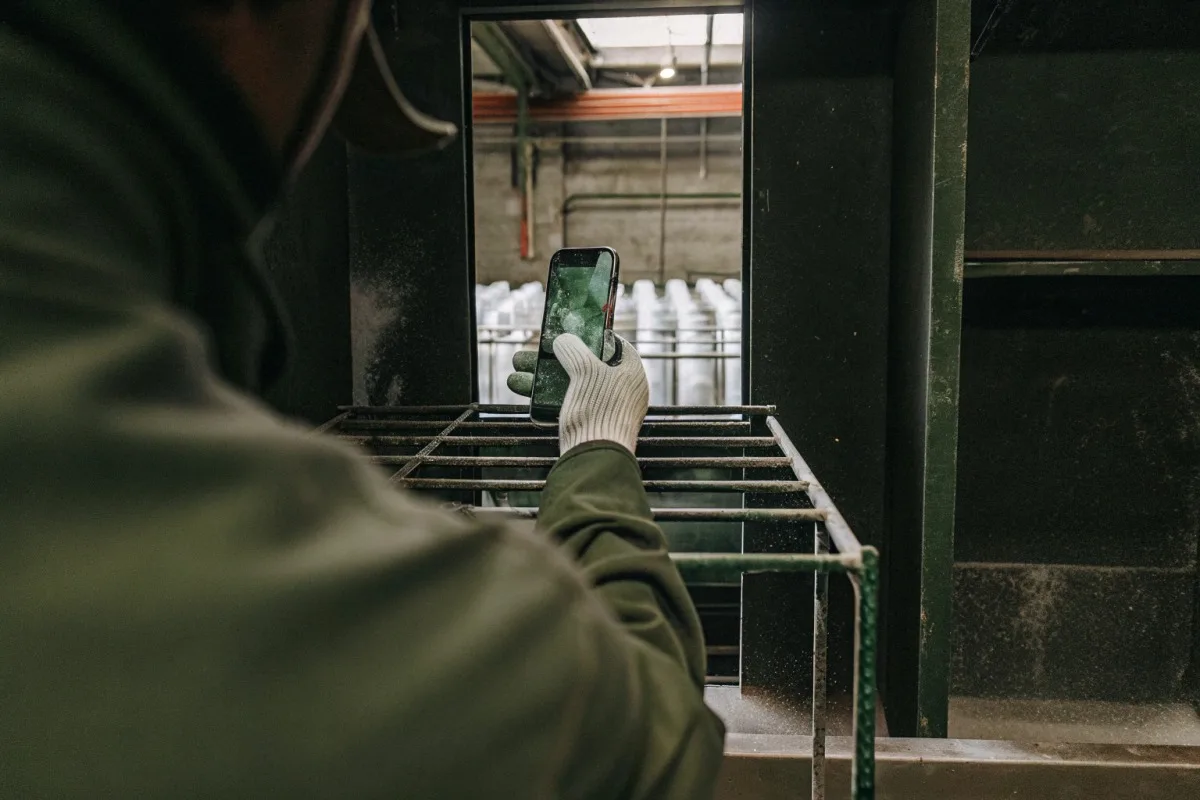
Evaluate OEM capabilities by reviewing their past custom project portfolio, requesting specific technical samples matching your complexity level, confirming they have in-house designers who understand Adobe files, testing their Pantone color matching accuracy, and verifying they can produce specialized finishes like matte, speckled, or gradient effects you require.
Understanding Customization Levels
Not all customization is equal. Here is how we categorize complexity:
| Level | Description | Typical MOQ | Price Impact |
|---|---|---|---|
| Basic | Single color body, simple logo print | 100-300 pcs | Base price |
| Intermediate | Multi-color print, Pantone matching | 300-500 pcs | +15-25% |
| Advanced | Custom shape, special finishes, 3D molds | 500-1000 pcs | +30-50% |
| Premium | Unique enamel formulation, textured effects | 1000+ pcs | +50-100% |
Portfolio Review Questions
Ask suppliers for examples of previous OEM work. Request high-resolution photos. Better yet, ask if you can purchase existing custom samples from their showroom. This shows their actual output quality.
Specific questions to ask:
- What is the most complex custom mug you have produced?
- Can you share photos of gradient enamel finishes?
- Have you done debossed or embossed branding?
- What Pantone colors have proven difficult to match?
Technical Capability Verification
A capable OEM supplier should have:
- In-house design staff who use Adobe Illustrator
- Pantone color matching equipment
- Sample production separate from bulk lines
- Prototyping capability within 7-14 days
- Clear communication about what is and is not possible
The Sample Test Challenge
Give suppliers a moderately difficult design challenge. This could include:
- A specific Pantone color with matte finish
- Multi-position printing (front and back)
- Custom handle shape or size
- Vintage speckled enamel effect
Their response tells you everything. Good suppliers ask clarifying questions. They provide realistic timelines. They might say certain elements need adjustment. Bad suppliers agree to everything immediately, then fail to deliver.
Pricing Structure Understanding
Request itemized quotes showing costs for:
- Base mug production
- Enamel color customization
- Artwork setup and plate fees
- Special finish surcharges
- Packaging customization
Transparent pricing indicates a professional operation. Vague "all-in" quotes often hide quality shortcuts.
What steps can I take to ensure my enamel mug order arrives on time without the typical logistics delays?
From our Huizhou warehouse, we ship containers every week to the US, Germany, and Australia. We have learned that production delays are only half the problem. Logistics failures ruin more orders than factory issues. Proactive planning prevents most disasters.
To ensure on-time delivery, establish clear production milestones with penalty clauses, request weekly progress photos, use Alibaba Trade Assurance for shipment guarantees, book freight early during peak seasons, work with suppliers near major ports like Ningbo, and build 2-3 weeks buffer time into your launch schedule.
Timeline Planning Framework
Most buyers underestimate total lead time. Here is a realistic breakdown:
| Phase | Duration | Key Activities |
|---|---|---|
| Sample Development | 7-14 days | Design finalization, prototype production |
| Sample Shipping | 5-10 days | Express courier to your location |
| Sample Approval | 3-7 days | Your review and feedback |
| Production | 20-30 days | Bulk manufacturing, QC inspection |
| Inland Transport | 2-5 days | Factory to port |
| Ocean Freight | 15-35 days | Depends on destination |
| Customs Clearance | 3-10 days | Documentation review |
Total realistic timeline: 55-111 days from order to delivery.
Communication Protocols
Establish clear communication expectations upfront:
- Weekly production updates with photos
- Immediate notification of any delays
- Video inspection before container loading
- Real-time tracking information sharing
Contractual Protections
Include these elements in your purchase agreement:
- Specific delivery date with acceptable range
- Penalty clause for delays (typically 1-2% per week)
- Clear definition of force majeure events
- Payment terms tied to milestones
Port and Shipping Considerations
Suppliers near Ningbo-Zhoushan port 5 have significant advantages. This port handles more cargo than any other globally. Transit times to US West Coast average 15-18 days. Zhejiang suppliers can reach this port within hours.
Peak Season Planning
Avoid these high-risk periods:
- Chinese New Year 6 (January-February): 3-4 week shutdown
- Canton Fair periods (April, October): Factories focus on samples
- Golden Week (October 1-7): National holiday
- Pre-Christmas rush (August-November): Freight capacity tight
Book production slots 2-3 months ahead during these times.
Backup Supplier Strategy
Even with perfect planning, problems happen. Identify a secondary supplier before you need one. This creates negotiating leverage and emergency options.
Conclusion
Screening Alibaba suppliers requires systematic verification of manufacturer status, rigorous sample inspection, capability assessment, and proactive logistics planning. Use these frameworks to protect your investment and build reliable supply partnerships.
Footnotes
1. Official information on the ISO 9001 quality management standard. ↩︎
2. Alibaba’s official page explaining its payment protection service. ↩︎
3. Replaced HTTP 404 with the current Wikipedia page for ‘Business license’, which covers the concept in China. ↩︎
4. Official FDA guidance on food packaging and food contact substances. ↩︎
5. Wikipedia page detailing the world’s busiest port by cargo tonnage. ↩︎
6. Wikipedia entry explaining the traditional Chinese holiday. ↩︎