Every month, our production floor handles dozens of unique custom enamel mug designs. Some clients share their artwork freely. Others hesitate, worried their patterns will end up on a competitor’s shelf. This fear is valid. Without proper safeguards, your creative work remains vulnerable in international sourcing.
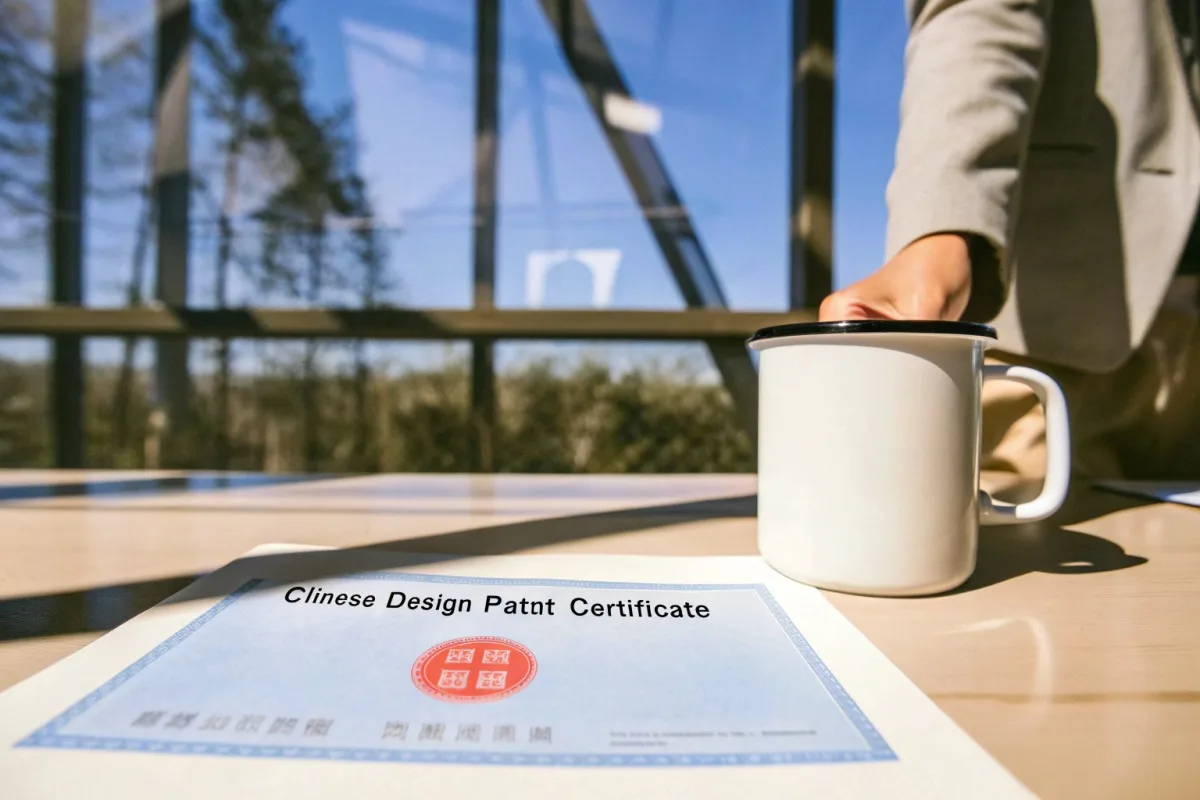
To protect your design copyright when sourcing custom enamel mugs from China, you must register a design patent with Chinese authorities, sign enforceable NNN agreements in Mandarin, and establish clear ownership contracts before production begins. Chinese law operates on a first-to-file system, so proactive registration is essential for legal protection.
Let me walk you through the specific steps that keep your designs safe. We will cover contractual protections, legal registration, manufacturer verification, and timing strategies that actually work in real-world sourcing situations.
How do I ensure my custom enamel mug designs won't be sold to other buyers?
When clients visit our facility in Huizhou, this question comes up in almost every meeting. The concern is understandable. You invest time and money into a unique design. The last thing you want is seeing it on another brand's product line.
To prevent your designs from being sold to other buyers, require explicit exclusivity clauses in your manufacturing agreement, maintain ownership of all molds and tooling, and release design details in stages. A well-drafted NNN agreement creates legal accountability and makes unauthorized reproduction financially risky for the manufacturer.
The Reality of Design Leakage
Design leakage happens more often than you might think. In our experience working with overseas brands, the problem usually stems from unclear contracts rather than intentional theft. Many manufacturers operate on thin margins. Without explicit restrictions, they may see no issue in offering similar designs to non-competing markets.
The core challenge is this: your U.S. copyright 1 means nothing inside China's borders. A design protected in America has zero legal weight at a factory in Guangdong. Chinese manufacturers can legally produce similar items unless you take specific protective steps under Chinese law 2.
Practical Steps That Work
Here is what we recommend to clients who prioritize design protection:
| Protection Method | What It Does | Implementation Difficulty |
|---|---|---|
| NNN Agreement 3 | Prevents use, disclosure, and circumvention | Medium – requires legal drafting |
| Mold Ownership Clause | Ensures tooling stays under your control | Low – add to standard contract |
| Staged Design Release | Limits exposure at each production phase | Low – operational change only |
| Exclusivity Period | Blocks manufacturer from selling to others | Medium – negotiate specific terms |
| Design Patent 4 Registration | Creates legal enforcement mechanism | High – requires filing in China |
Staged Design Release Strategy
One technique we have seen work well is staged design release. During the initial quoting phase, you share only basic specifications. Detailed artwork and final color patterns come later, after contracts are signed. This approach limits how much information any single contact point can access.
For custom enamel mugs, this might look like:
- Initial inquiry: Share mug dimensions and general concept only
- Sample approval: Provide simplified artwork for prototype
- Contract signing: Release full design files
- Production start: Transfer complete specifications
This phased approach creates natural checkpoints. If something feels wrong at any stage, you can pause before full exposure.
The Mold and Tooling Question
Custom enamel mugs often require specific molds, especially for unique shapes or embossed patterns. Who owns these molds matters enormously. molds and tooling 5 Without explicit contractual language, your manufacturer may claim ownership of tooling created during your project.
At our facility, we always clarify mold ownership upfront. Your contract should state clearly that all molds, dies, and specialized equipment belong to you. This clause also gives you the freedom to move production elsewhere if needed, taking your tooling with you.
What legal agreements should I sign to protect my IP when sourcing from China?
Our legal team reviews dozens of IP-related contracts every quarter. The difference between protected clients and vulnerable ones often comes down to document quality. Generic templates downloaded from the internet rarely provide adequate coverage.
You should sign an NNN Agreement (Non-Use, Non-Disclosure, Non-Circumvention) drafted in Mandarin and enforceable under Chinese law, plus a Product Ownership Agreement that explicitly assigns all design rights to your company. Additional protections include mold ownership clauses and design work payment agreements that transfer IP upon completion.
Understanding the NNN Agreement
The NNN agreement is not the same as a standard Western NDA. Western non-disclosure agreements often rely on concepts unfamiliar to Chinese courts. An NNN agreement addresses three specific concerns:
- Non-Disclosure: Manufacturer cannot share your information with third parties
- Non-Use: Manufacturer cannot use your designs for their own products
- Non-Circumvention: Manufacturer cannot bypass you to sell directly to your customers
For the agreement to have teeth, it must be written in Mandarin and specify Chinese jurisdiction. Contracts written only in English, governed by American or European law, are essentially unenforceable in Chinese courts.
Essential Contract Elements
| Agreement Type | Key Provisions | Why It Matters |
|---|---|---|
| NNN Agreement | Confidentiality, non-use, non-circumvention | Creates legal accountability in China |
| Product Ownership Agreement | Design rights transfer, work product ownership | Clarifies who owns the final product |
| Mold/Tooling Agreement | Physical asset ownership, transfer rights | Protects your manufacturing flexibility |
| Quality Control Agreement | Inspection rights, defect handling | Ensures product meets your standards |
| Design Work Payment Agreement | IP transfer upon payment completion | Prevents disputes over co-developed designs |
The Regional Office Strategy
One approach that creates stronger legal accountability is working through a manufacturer's regional office. If your Chinese supplier has a North American or European subsidiary, establishing agreements with that entity gives you local legal recourse.
When we work with clients in the United States, some prefer contracts through our trade office arrangements rather than directly with our Huizhou headquarters. This creates accountability in a legal system they understand better.
Co-Development Ownership Trap
Many custom enamel mug projects involve some level of co-development. Perhaps your supplier suggests improvements to your initial concept. Maybe their designers help translate your vision into production-ready files. This collaborative process creates ownership ambiguity.
Without explicit language, the manufacturer may claim partial or full ownership of the final design. Your contract must state clearly that all intellectual property 6 transfers to you upon payment, regardless of who contributed what during development. This includes:
- Original concept artwork
- Modified production files
- Mold designs and specifications
- Color formulations specific to your product
How can I verify if a manufacturer has a reliable system for protecting my proprietary patterns?
During factory audits, we often host procurement managers who want to assess our IP protection capabilities. Smart buyers look beyond surface-level assurances. They want evidence of systematic protection.
To verify a manufacturer's IP protection system, conduct on-site factory visits to inspect document control procedures, request references from other brand clients, ask about their experience with Chinese customs registration, and review their internal training programs on confidentiality. A reliable manufacturer will have documented processes and be transparent about their protection methods.

Red Flags and Green Flags
Not all manufacturers take IP protection seriously. Here is what to look for during your evaluation:
| Green Flags | Red Flags |
|---|---|
| Documented confidentiality training for staff | No written IP policies |
| Secure file storage with access controls | Design files on shared drives with no restrictions |
| Willingness to sign NNN agreements | Reluctance to commit to legal agreements |
| Experience with foreign brand partnerships | History of IP disputes or complaints |
| Clear process for handling client artwork | Casual attitude toward design sharing |
| Separate production areas for sensitive orders | All orders mixed in same workspace |
Questions to Ask During Factory Visits
When evaluating potential suppliers, these questions reveal their IP protection maturity:
- Who has access to our design files once submitted?
- How do you prevent employees from copying designs?
- Have you registered any client designs with Chinese customs 7?
- What happens to our files after production ends?
- Can you provide references from brands in our industry?
- How do you handle requests from other buyers for similar products?
Document Control Assessment
Professional manufacturers maintain strict document control. At our facility, client artwork moves through a controlled workflow. Only specific team members access full design files. Production staff see only what they need for their particular task.
Ask your potential supplier to walk you through their document lifecycle:
- How are files received and stored?
- Who approves access requests?
- What encryption protects digital files?
- How long are files retained after project completion?
- What is the destruction process for outdated materials?
The Reference Check
Reputable manufacturers should provide references from existing clients. When contacting these references, ask specifically about IP protection experience:
- Did they ever discover their designs sold elsewhere?
- How responsive was the manufacturer to confidentiality concerns?
- Would they trust the manufacturer with a new proprietary design?
This direct feedback from other brands provides insight that factory tours cannot reveal.
Should I register my design copyright in China before starting mass production?
Clients often ask us whether formal registration is worth the cost and effort. The answer depends on your design's commercial value and your risk tolerance. But for most custom enamel mug brands, the answer is yes.
You should register a design patent in China before mass production begins because China operates on a first-to-file system. Without registration, your design has no legal protection within Chinese borders. Design patents are relatively inexpensive, granted within weeks or months, and provide ten years of enforceable protection including customs registration rights.
Design Patent vs. Copyright in China
Many Western companies assume their existing copyright automatically protects product designs in China. This assumption is incorrect. China's IP system treats product designs differently than the United States or European Union.
For manufactured products like enamel mugs, the primary protection mechanism is the design patent. This covers:
- Shape and form of the product
- Surface patterns and decorative elements
- Color combinations and visual appearance
- Overall aesthetic presentation
| Protection Type | Coverage in China | Registration Required | Duration |
|---|---|---|---|
| Copyright | Literary/artistic works only | Automatic but limited enforcement | Life + 50 years |
| Design Patent | Product appearance and patterns | Yes – must file with CNIPA | 10 years |
| Trade Dress | Overall look and feel | No formal registration | Indefinite but hard to enforce |
| Trademark | Brand names and logos | Yes – must file in China | 10 years, renewable |
The First-to-File Reality
China's first-to-file system 8 creates urgency. The first party to register a design owns it, regardless of who actually created it. We have seen cases where manufacturers registered client designs under their own name, then legally blocked the original brand from sourcing elsewhere.
This scenario sounds extreme, but it happens. A buyer develops a unique enamel mug design. They never register it in China. Their manufacturer quietly files a design patent. Later, when the buyer tries switching factories, they discover they cannot legally produce their own design.
Registration Timeline and Cost
Design patents in China are more accessible than many buyers expect:
- Application to grant: Typically weeks to months
- Examination type: Formal only, no substantive review
- Protection duration: Ten years from filing
- Renewal: Not renewable, but re-filing possible for evolved designs
The cost varies depending on complexity and whether you use local patent agents. For a standard enamel mug design, expect registration fees in the hundreds of dollars, not thousands.
Customs Registration Advantage
Once you hold a Chinese design patent, you can register it with customs authorities. This creates a powerful enforcement mechanism. Chinese customs will intercept and detain shipments of infringing products at the border.
Recent enforcement actions demonstrate this system works. In 2022, Xiamen Customs seized thousands of counterfeit items and arrested operators of workshops producing knockoffs. For enamel mug brands worried about copies flooding export markets, customs registration provides real deterrent value.
When Registration May Not Be Necessary
Not every design justifies formal registration. Consider skipping it when:
- The design is generic with minimal distinctive elements
- Product lifecycle is very short
- Total production volume is too low to attract copycats
- Budget constraints are severe
However, for brands building long-term product lines around distinctive visual identities, design patent registration represents sound investment.
Conclusion
Protecting your custom enamel mug designs requires proactive steps before production begins. Register design patents, sign enforceable agreements, verify manufacturer systems, and maintain ownership of all tooling. These measures transform your creative work into legally protected assets.
Footnotes
1. Explains the territorial nature of U.S. copyright and international relations. ↩︎
2. HTTP 404 ↩︎
3. Explains the components and importance of NNN agreements in China. ↩︎
4. Provides official information on design patent applications in China. ↩︎
5. Comprehensive guide on tooling ownership in international manufacturing contracts. ↩︎
6. Provides a foundational definition of intellectual property from a global organization. ↩︎
7. Official information on intellectual property rights enforcement by China Customs. ↩︎
8. Details China’s first-to-file principle for intellectual property rights. ↩︎