
Every week on our production floor, we see procurement managers face the same frustration. They receive bulk enamel mug shipments only to find chips, uneven glazing, or misaligned prints. The financial loss stings. The missed deadlines hurt even more.
To negotiate defect rates and replacement policies effectively, establish clear Acceptable Quality Limit (AQL) standards upfront, request historical defect data from suppliers, and include written clauses for replacements, credits, and logistics responsibilities in your OEM contract before production begins.
In this guide, we will walk through each critical step. You will learn what defect rates are realistic, how to protect yourself with contract language, and how to verify supplier quality before committing to large orders.
What is a standard acceptable defect rate for my bulk enamel mug order?
When buyers ask our sales team this question, we always start with an honest conversation about enamel mug manufacturing realities. The firing process creates inherent variations that differ from injection-molded plastics 1 or printed paper goods.
For bulk enamel mug orders, a standard acceptable defect rate ranges from 1% to 3% depending on order complexity. Simple solid-color mugs typically achieve 1-1.5%, while multi-color printed designs may reach 2-3%. These rates should be clearly defined using AQL standards before production starts.
Understanding the Enamel Production Process
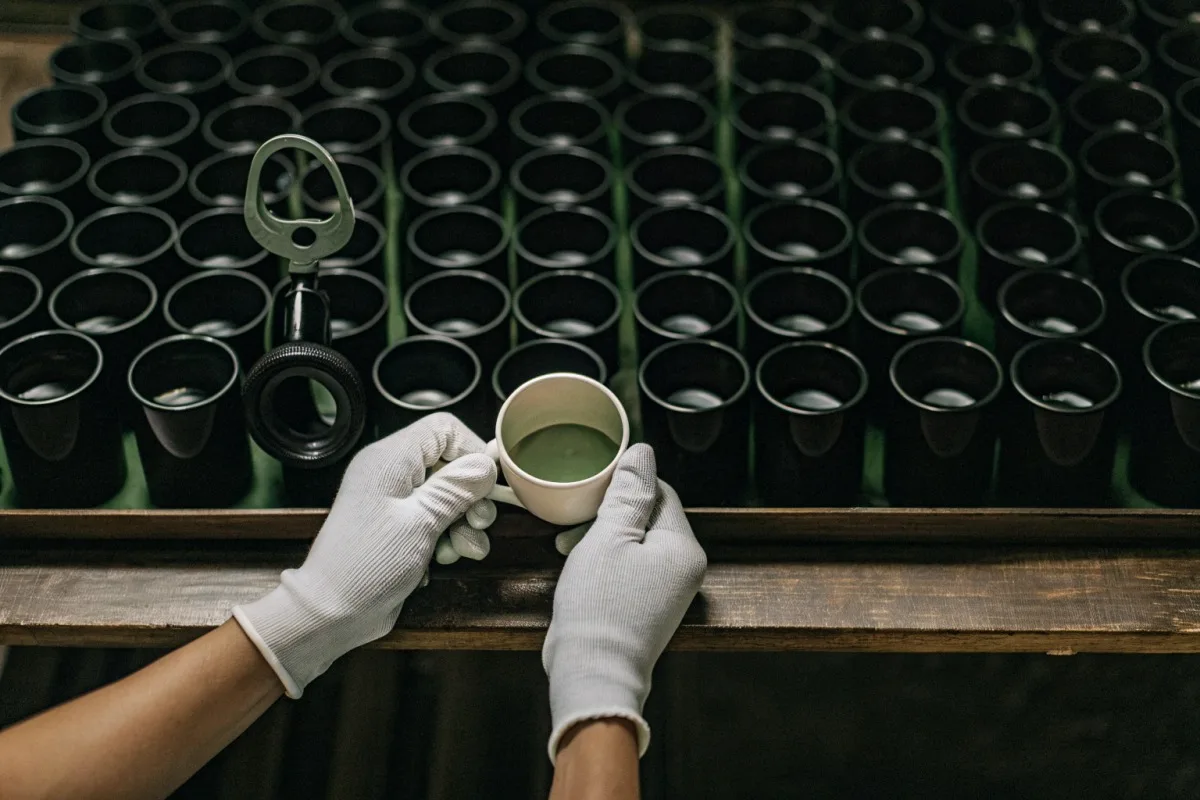
Enamel mugs undergo multiple high-temperature firings. Powdered glass fuses onto steel substrates at temperatures exceeding 800°C. This artisanal process naturally produces slight variations. Our quality control team categorizes defects into three levels: critical, major, and minor.
Critical defects include cracks, sharp edges, or food-safety failures. These warrant immediate rejection. Major defects cover visible chips larger than 2mm, significant color mismatches, or print misalignment exceeding 3mm. Minor defects include tiny surface bumps, slight rim variations, or barely visible scratches.
AQL Standards Explained
Acceptable Quality Limit 2 provides a statistical framework for inspection. Most enamel mug suppliers work with AQL 2.5 for major defects and AQL 4.0 for minor defects. This means in a random sample, if defects exceed these percentages, the entire batch fails inspection.
| Defect Category | AQL Standard | Examples | Action Required |
|---|---|---|---|
| Critical | 0% | Cracks, sharp edges, toxic materials | Reject entire batch |
| Major | 2.5% | Chips >2mm, print misalignment >3mm, wrong color | Negotiate replacement |
| Minor | 4.0% | Small bumps, slight surface marks, tiny scratches | Accept with documentation |
Complexity Affects Defect Rates
We track defect rates across different product types in our factory. The data clearly shows that customization complexity directly impacts achievable quality levels.
| Product Type | Typical Defect Rate | Key Risk Factors |
|---|---|---|
| Solid color mugs | 1.0-1.5% | Rim chips, glaze bubbles |
| Single-color print | 1.5-2.0% | Print adhesion, alignment |
| Multi-color print | 2.0-2.5% | Color registration, bleeding |
| Full-wrap designs | 2.5-3.0% | Seam alignment, distortion |
| Photographic prints | 3.0-3.5% | Detail reproduction, color accuracy |
When negotiating with suppliers, use this data as your benchmark. If a supplier promises 0.5% defect rates on complex multi-color designs, be skeptical. Either they are using different quality standards or they will disappoint you.
Creating Your Golden Sample
Before finalizing defect rate agreements, establish a "golden sample." This physical reference piece defines acceptable quality. Annotate it with specific tolerances: acceptable glaze thickness range, rim diameter variance (typically ±1mm), handle angle tolerance, and print color range using Pantone references.
Share this golden sample with your supplier. Both parties sign off confirming it represents acceptable quality. This prevents disputes later when you claim defects and suppliers argue variations are "normal."
How can I include clear replacement clauses in my OEM manufacturing contract?
Our legal team has reviewed hundreds of supplier contracts over the years. The pattern is clear: vague language creates expensive disputes. Specific clauses protect both buyer and supplier.
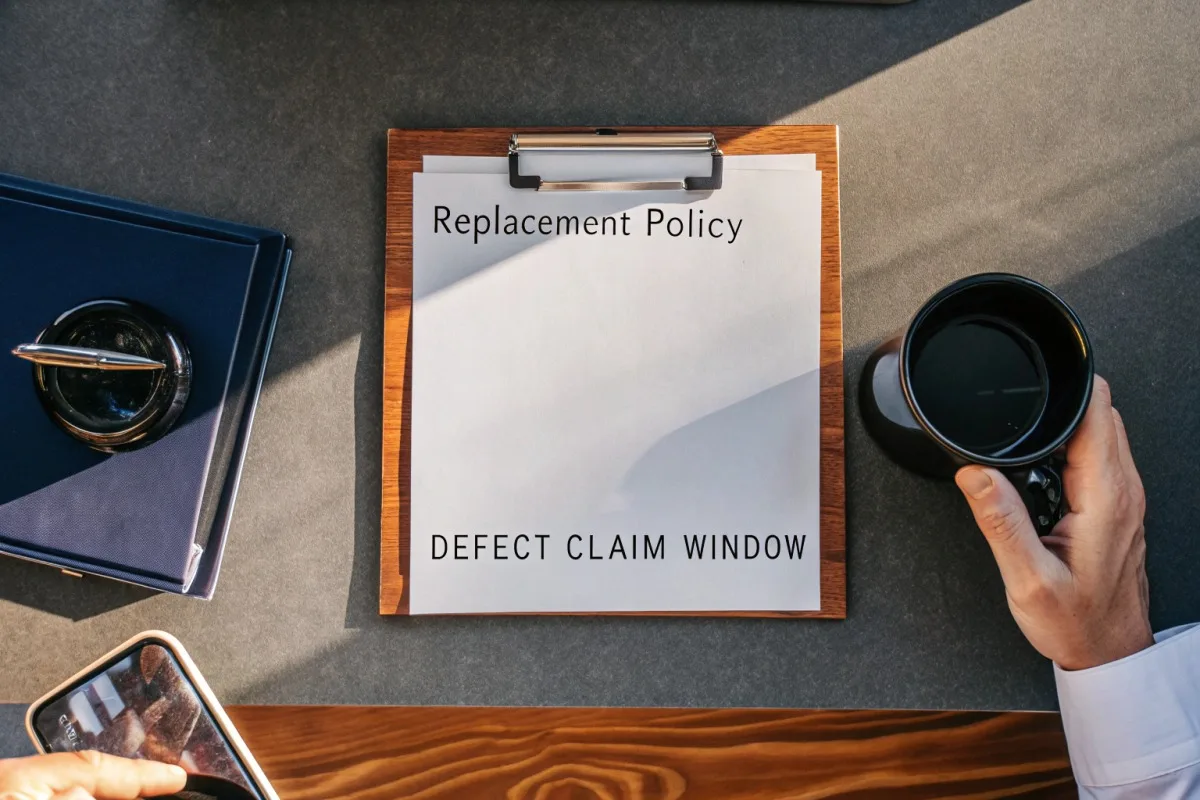
Include replacement clauses specifying defect claim windows (typically 30 days), required documentation for claims, replacement timeline guarantees, shipping cost allocation, and credit versus physical replacement options. Define inspection methods and third-party arbitration procedures for disputed claims.
Essential Contract Elements
Your OEM manufacturing contract needs seven key sections addressing quality and replacements. OEM contract 3 Missing any one creates vulnerability.
First, define what constitutes a defect. Reference your golden sample and AQL standards. Second, establish the claim window. Industry standard is 30 days from delivery, but 45-60 days provides buffer for distribution to your customers.
Third, specify documentation requirements. Most suppliers require clear photographs showing defects, batch numbers, and quantity counts. Fourth, outline the replacement process: will supplier send new products, issue credit, or offer refund? Fifth, clarify shipping costs. Who pays freight on returned defective goods? Who pays for replacement shipment?
Sixth, set timeline expectations. Replacement production should begin within 7 days of claim approval, with shipment within 25-30 days. Seventh, establish dispute resolution. Third-party inspection companies like SGS or Bureau Veritas can arbitrate disagreements.
Sample Contract Language
Here is language we recommend for the replacement clause section:
"Supplier guarantees that no more than [X]% of delivered products will contain Major Defects as defined in Appendix A (Golden Sample Standards). Buyer must report defects within [30/45/60] days of delivery with photographic evidence and batch numbers. For verified defects exceeding agreed AQL levels, Supplier will provide replacement products at Supplier's cost within [25-30] days. Replacement shipping costs via [sea/air] freight to original destination will be borne by [Supplier/split 50-50/Buyer]. Credits may be issued in lieu of physical replacement at Buyer's option, calculated at [100%/110%] of defective unit value."
Protecting Against Common Loopholes
Watch for supplier contract language that limits their liability. Phrases like "liability limited to goods value" or "excludes consequential damages" can leave you absorbing losses from delayed product launches, customer refunds, or damaged brand reputation.
Negotiate for broader protection. Include minimum on-time delivery guarantees (95%+). Add penalties for delays exceeding agreed timelines. Specify that force majeure exclusions require documented evidence and still trigger partial credits.
Who handles the logistics and costs if my custom mugs arrive damaged?
Last quarter, a US-based customer received a container with 15% breakage due to poor packing. The dispute over costs consumed weeks. Clarity upfront prevents this nightmare.
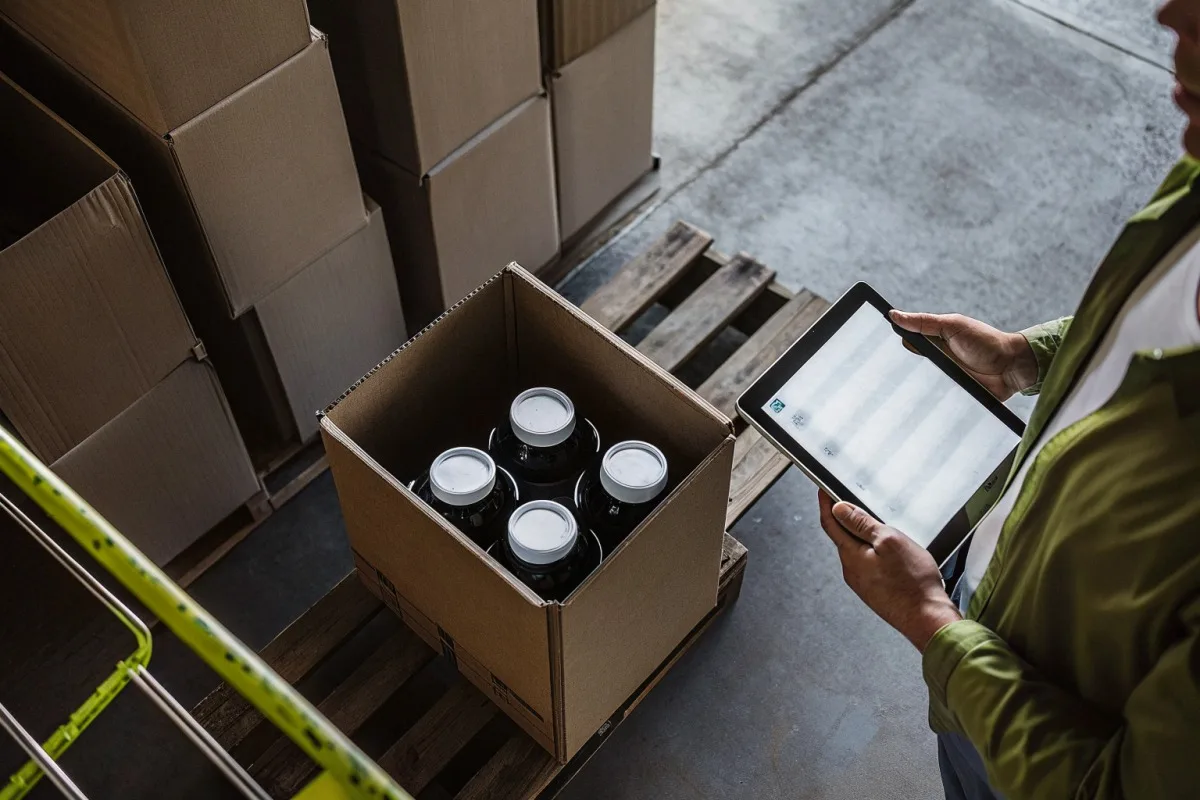
Logistics responsibility depends on your shipping terms (FOB, CIF, DDP). Under FOB terms, buyer assumes risk once goods load onto the vessel. Damaged goods claims go to cargo insurance, not supplier. Under DDP, supplier bears responsibility until delivery. Specify packing standards and insurance requirements in contracts.
Understanding Incoterms
International Commercial Terms (Incoterms) 4 define who bears shipping risks. Most enamel mug orders use FOB (Free On Board) pricing. This means the supplier's responsibility ends when goods cross the ship's rail at the origin port.
Under FOB terms, if your container arrives with crushed boxes and chipped mugs, your claim goes to the cargo insurance company, not your supplier. This surprises many first-time importers.
CIF (Cost, Insurance, Freight) includes insurance arranged by the supplier, but risk still transfers at origin port. You just have insurance documentation ready for claims.
DDP (Delivered Duty Paid) keeps the supplier responsible until goods reach your warehouse. This premium service costs more but shifts all transit risk to the supplier.
Packing Standards Matter
Even with clear Incoterms, poor packing causes preventable damage. Our factory uses specific standards for enamel mugs:
Individual mugs wrapped in bubble wrap or foam sleeves. Nested mugs with cardboard dividers every 4-6 units. Inner boxes holding 12-24 mugs maximum. Inner boxes placed in reinforced master cartons. Master cartons strapped to pallets with corner protectors. Full container loads secured with dunnage bags.
Request packing specifications in writing. Ask for photos of packed products before container loading. Specify drop test requirements for inner boxes (typically 76cm drop on each corner, edge, and face).
Insurance Recommendations
Always purchase cargo insurance. Marine insurance typically costs 0.3-0.5% of cargo value. It protects against vessel sinking, container damage, theft, and weather damage.
Standard policies exclude improper packing. If your mugs break because the supplier used inadequate materials, insurance claims may be denied. This reinforces why packing specifications must be contractually required.
Consider "all-risk" policies that cover more scenarios than basic coverage. The premium difference is minimal compared to potential loss exposure on a $20,000+ container order.
How do I verify my supplier's QC standards to prevent high defect rates?
We encourage buyers to visit our facility. Factory audits reveal more than any certification document. But when travel is impossible, remote verification methods still work.
Verify supplier QC standards by requesting ISO 9001 certificates, conducting video factory tours, reviewing historical defect rate data, ordering pre-production samples, requiring in-line inspection photos, and considering third-party audits from companies like SGS, Bureau Veritas, or Intertek before large orders.

Certification Requirements
Start with basic certifications. ISO 9001:2015 5 confirms a quality management system exists. For food-contact enamelware, require FDA compliance 6 (US), LFGB certification (EU), and REACH/RoHS documentation.
| Certification | Purpose | Region | Validity Check |
|---|---|---|---|
| ISO 9001:2015 | Quality management system | Global | Verify on certification body website |
| FDA | Food contact safety | USA | Request test reports from accredited lab |
| LFGB | Food contact safety | EU/Germany | Verify laboratory accreditation |
| REACH | Chemical safety | EU | Request SVHC testing documentation |
| RoHS | Hazardous substances | EU | Check for lead/cadmium in glazes |
| BPA-Free | Chemical safety | Global | Request migration test reports |
Request certificate copies and verify their authenticity. Some suppliers present expired or fraudulent documents. Check registration numbers against issuing body databases.
Remote Factory Assessment
When you cannot visit in person, video calls provide surprising insight. Ask for a live tour showing:
Raw material storage and incoming inspection area. Steel substrate preparation and cleaning stations. Enamel powder mixing and application booths. Firing kilns and temperature monitoring systems. Print application equipment and curing stations. Quality inspection stations with lighting and measurement tools. Packing area and finished goods warehouse.
Watch how workers handle products. Are they wearing gloves? Are inspection stations well-lit? Is rejected product clearly segregated? These details indicate quality culture.
Pre-Production Sample Evaluation
Never skip samples. Order 10-20 pieces representing your exact specifications. Evaluate them rigorously.
Measure dimensions against specifications. Check weight consistency across samples. Test print adhesion by scratching with fingernail. Examine rims for chips or sharp edges. Fill with hot water to test for thermal shock. Run through dishwasher cycles to test durability.
Document any issues and require corrections before bulk production approval. Remember that samples are often hand-selected. Assume bulk production will show more variation.
Third-Party Inspection Services
For orders exceeding $10,000, third-party inspection provides objective verification. Companies like SGS, Bureau Veritas, and Intertek offer pre-shipment inspection services costing $300-500 per visit. SGS, Bureau Veritas, or Intertek 7
Inspectors randomly sample your production according to AQL standards. They check dimensions, appearance, print quality, and packing. You receive a detailed report with photographs before authorizing shipment.
This investment typically pays for itself. Catching problems before shipping saves freight costs on defective goods and reduces dispute resolution headaches.
Building Long-Term Supplier Relationships
Quality improves with relationship depth. Share your end-customer feedback with suppliers. Explain which defects caused customer complaints. Provide sales data showing which designs sell best.
Suppliers who understand your business can anticipate problems. They invest in preventing issues that hurt your brand. This partnership approach yields better results than purely transactional relationships.
Visit annually if possible. Meet the factory owner and quality manager. Personal relationships create accountability that contracts alone cannot achieve.
Conclusion
Negotiating defect rates and replacement policies protects your investment and brand reputation. Define clear standards, document everything in contracts, and verify supplier capabilities before committing to large orders.
Need help sourcing custom enamel mugs with reliable quality? Contact our team at [email protected] for samples and detailed QC documentation.
Footnotes
1. Explains the manufacturing process of injecting molten material into a mold. ↩︎
2. Explains the statistical framework for quality inspection and its application. ↩︎
3. Replaced HTTP 404 with an accessible and authoritative article explaining OEM agreements from PandaDoc, a reputable business document software provider. ↩︎
4. Clarifies global trade terms for shipping responsibilities, tasks, costs, and risks. ↩︎
5. Details the international standard for quality management systems and its requirements. ↩︎
6. Explains regulatory requirements for food contact materials and compliance. ↩︎
7. Replaced HTTP 403 with the official website of SGS, one of the leading global testing, inspection, and certification (TIC) companies mentioned in the anchor text. ↩︎