
Every week, our sales team receives inquiries from buyers who’ve been burned before enamel coating processes 1. They ordered 5,000 custom enamel mugs, paid a deposit, and received thin, chipping products that rusted within months. The supplier had promised “factory direct” pricing but was actually a trading company sourcing from unknown workshops.
To identify a real enamel mug factory versus a trading company, verify their business license shows “manufacturing” in the scope, request live video tours of production lines, demand technical conversations with engineers, and test samples under campfire conditions. Trading companies cannot replicate these proofs of genuine manufacturing capability.
In this guide, we’ll share exactly how we help our clients verify supplier credentials. You’ll learn practical steps to protect your investment and secure quality custom enamel mugs for your brand.
How can I verify if the supplier actually owns the enamel mug production facility?
When buyers ask us for factory proof, we understand why. We've toured competitors' facilities and seen the difference between real production floors and staged showrooms.
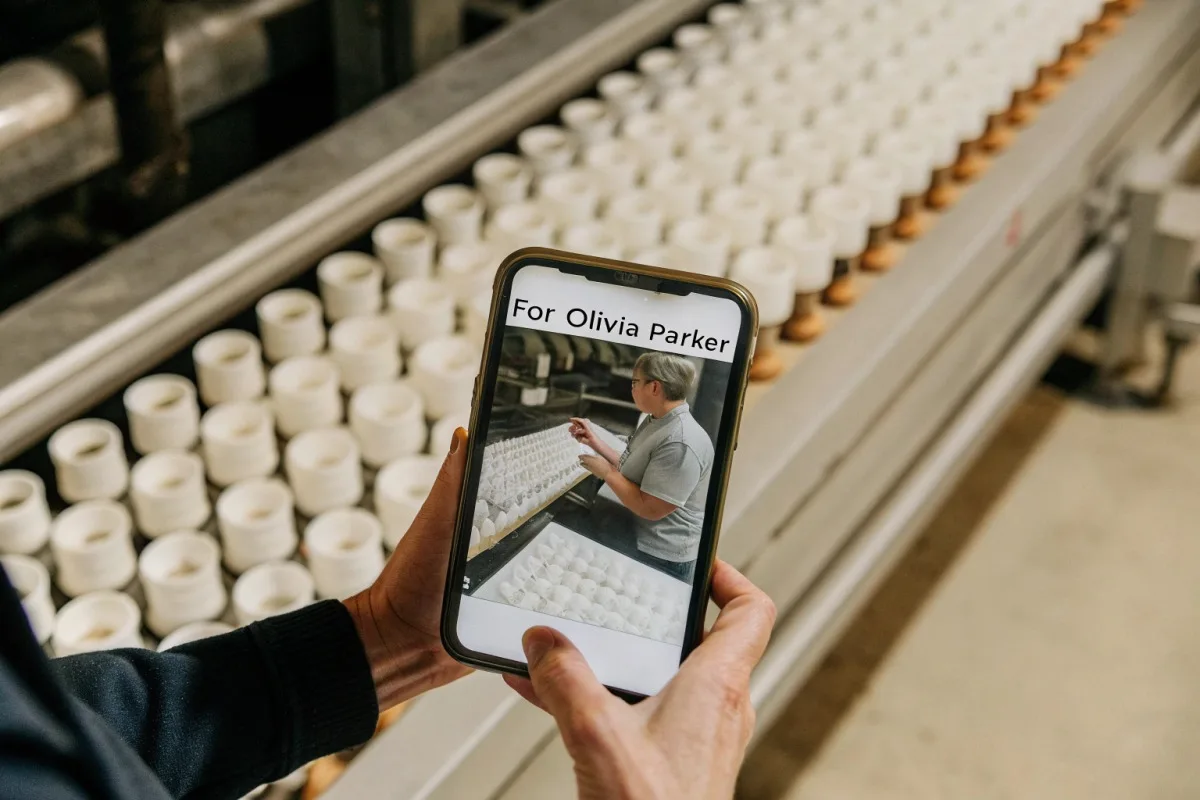
Verify factory ownership by requesting live video tours showing active production equipment, asking for photos of machinery with your company name handwritten on paper in frame, and confirming their address is in an industrial zone rather than an office building. Real factories welcome these requests; trading companies make excuses.
Why Location Matters First
A genuine enamel mug factory sits in an industrial zone. Our facility in Huizhou is surrounded by other manufacturers, warehouses, and logistics companies. Trading companies typically operate from commercial office buildings in city centers. Check their address on Google Maps before your first call.
The Video Tour Test
Request a live video call, not a pre-recorded video. During the call, ask them to show specific areas. A real factory can walk you through sheet metal cutting stations, enamel dipping lines, and firing kilns. Trading companies struggle with this request. They may claim the "factory is closed today" or offer only photos.
During our video tours, clients often ask us to zoom in on specific machines or show the date on a newspaper next to equipment. We welcome these requests because they build trust.
The Handwritten Photo Test
This simple test catches most trading companies. Ask the supplier to photograph their production line with a handwritten note showing your company name and the current date. Factories can do this within hours. Trading companies must contact their actual supplier, causing delays and excuses.
| Verification Method | Real Factory Response | Trading Company Response |
|---|---|---|
| Live video tour request | Immediate scheduling | Delays, excuses, pre-recorded videos only |
| Handwritten photo test | Photos within 24 hours | Several days delay or refusal |
| Address verification | Industrial zone location | City center office building |
| Equipment close-up requests | Willing to show details | Avoids or shows generic images |
| Weekend factory call | Some staff available | No one answers |
Ask About Their Workforce
Real factories employ specialized workers. We have metal workers, enamel technicians, kiln operators, and quality inspectors. Ask your supplier: How many production workers do you employ? What are their specializations? A trading company salesperson cannot answer these questions with confidence.
Request Production Capacity Data
Our monthly capacity is a specific number we track closely. When clients ask, we provide exact figures: machines, daily output, current utilization rate. Trading companies give vague answers because they don't control production scheduling.
What specific business certifications should I request to confirm factory status?
Our export clients always request our certifications during initial negotiations. This is smart procurement practice that separates serious buyers from casual inquiries.
Request the business license showing "manufacturing" or "production" in the registered scope, ISO 9001 quality management certification with the factory name listed, product-specific test reports from accredited labs, and export licenses. The factory's legal name must appear on all documents, not a trading company's name.

The Business License Deep Dive
In China, business license 2s clearly state the company's approved business scope. A manufacturer's license includes terms like "production," "manufacturing," or "processing." A trading company's license shows only "sales," "import/export," or "trading." Request a copy and have someone who reads Chinese verify the scope section.
ISO Certification Verification
ISO 9001 certification proves quality management systems exist. ISO 9001 quality management certification 3 However, verify two things. First, the factory name on the certificate must match your supplier's registered name. Second, check the certificate is current by verifying with the issuing body. Some trading companies show certifications belonging to their supplier factories.
| Certification Type | What It Proves | How to Verify |
|---|---|---|
| Business License | Legal registration and business scope | Check "scope" section for "manufacturing" |
| ISO 9001 | Quality management system | Contact issuing body, confirm factory name |
| Product Test Reports | Product meets safety standards | Factory name must appear, check lab accreditation |
| Export License | Legal export capability | Required for direct international trade |
| Environmental Permits | Legal manufacturing operations | Factories need these; traders don't |
Product Test Reports Matter
When we ship enamel mugs to the US market, our products carry test reports for food contact safety 4. product-specific test reports 5 These reports must show our factory name and address. If a supplier offers test reports with a different company name, they're likely a trading company using their source factory's documents.
Third-Party Audit Reports
Consider requesting third-party audit reports 6 from organizations like SGS, Bureau Veritas, or Intertek. These audits physically inspect facilities. We've completed multiple audits for clients who require them. Trading companies cannot provide facility audits because they don't own facilities.
Ask for Multiple Documents Together
One document can be faked or borrowed. Request multiple documents simultaneously: business license, ISO certificate, recent test reports, and facility photos. Cross-reference the company name, address, and contact information across all documents. Discrepancies reveal trading companies.
Why does the direct factory pricing for my custom order differ from a trading company quote?
When procurement managers compare our quotes with trading company quotes, they often notice significant differences. We explain this openly because understanding pricing builds long-term partnerships.
Factory pricing is typically 20-50% lower than trading company quotes because factories eliminate middleman margins, control raw material costs directly, and optimize production efficiency. Trading companies add 30-100% markup to cover their operations, sales teams, and profit margins without adding manufacturing value.
Where Trading Companies Add Costs
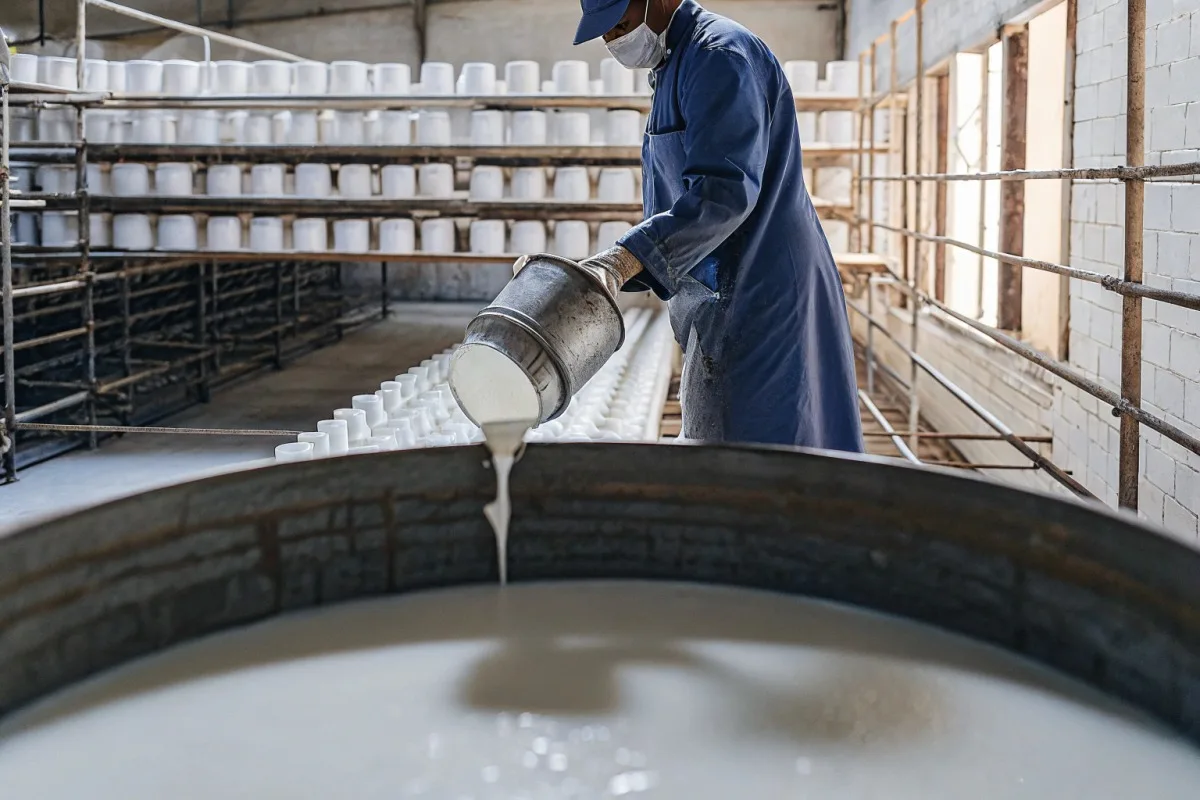
Trading companies don't manufacture. They source from factories like ours, add their margin, and resell. This structure adds costs at every step: sourcing fees, quality inspection fees, communication overhead, and profit margin. These costs transfer to your final price.
Our Cost Structure Breakdown
At our facility, we control costs directly. We purchase steel sheets in bulk. We employ our own enamel technicians. We own our kilns and firing equipment. When you order from us, you pay for materials, labor, overhead, and a reasonable profit margin. No intermediary layers exist.
| Cost Component | Factory Direct | Via Trading Company |
|---|---|---|
| Raw materials (steel, enamel frit) | Bulk purchase discount | No direct control |
| Labor costs | Direct employment | Factory margin included |
| Equipment and overhead | Factory's fixed costs | Factory's costs + trader overhead |
| Quality control | In-house inspectors | External QC service fees |
| Communication | Direct with production team | Multiple intermediaries |
| Profit margin | Single margin (factory) | Double margin (factory + trader) |
| Total markup range | 15-25% over cost | 50-150% over factory cost |
Hidden Costs in Trading Company Orders
Beyond visible price differences, trading companies create hidden costs. Communication delays extend timelines. Quality issues require back-and-forth between you, the trader, and the actual factory. Returns and defects become complicated because the trader isn't responsible for manufacturing.
Why Some Factory Quotes Seem High
Not all factories price identically. High-quality enamel mugs require double-coat enameling, high-temperature firing at 850°C or higher, and careful rim protection. We use these processes because they create mugs lasting 10-15 years. Cheaper factories skip steps, producing mugs that chip and rust within months. Compare specifications, not just prices.
The Sample Investment Pays Off
We always recommend ordering samples before bulk production. Sample costs reveal pricing structures. A factory provides samples at production cost plus shipping. A trading company adds margin even to samples. Compare sample pricing and quality before committing to large orders.
Long-Term Partnership Value
Factories benefit from long-term relationships. We offer better pricing, priority scheduling, and dedicated support to repeat clients. Trading companies chase transactions. They may switch source factories between your orders, causing quality inconsistencies. Building a direct factory relationship protects your supply chain.
How do I assess their technical expertise to ensure they can handle my complex OEM designs?
Our design team handles complex custom requests weekly. OEM designs 7 Curved surfaces, precise color matching, and intricate artwork require genuine manufacturing expertise that trading companies cannot provide.
Assess technical expertise by requesting direct conversations with production engineers, asking detailed questions about firing temperatures, enamel coating processes, and decoration techniques. Real factories explain how they'll achieve your design specifications. Trading companies deflect technical questions to "the factory" or provide vague, sales-focused answers.
The Technical Conversation Test
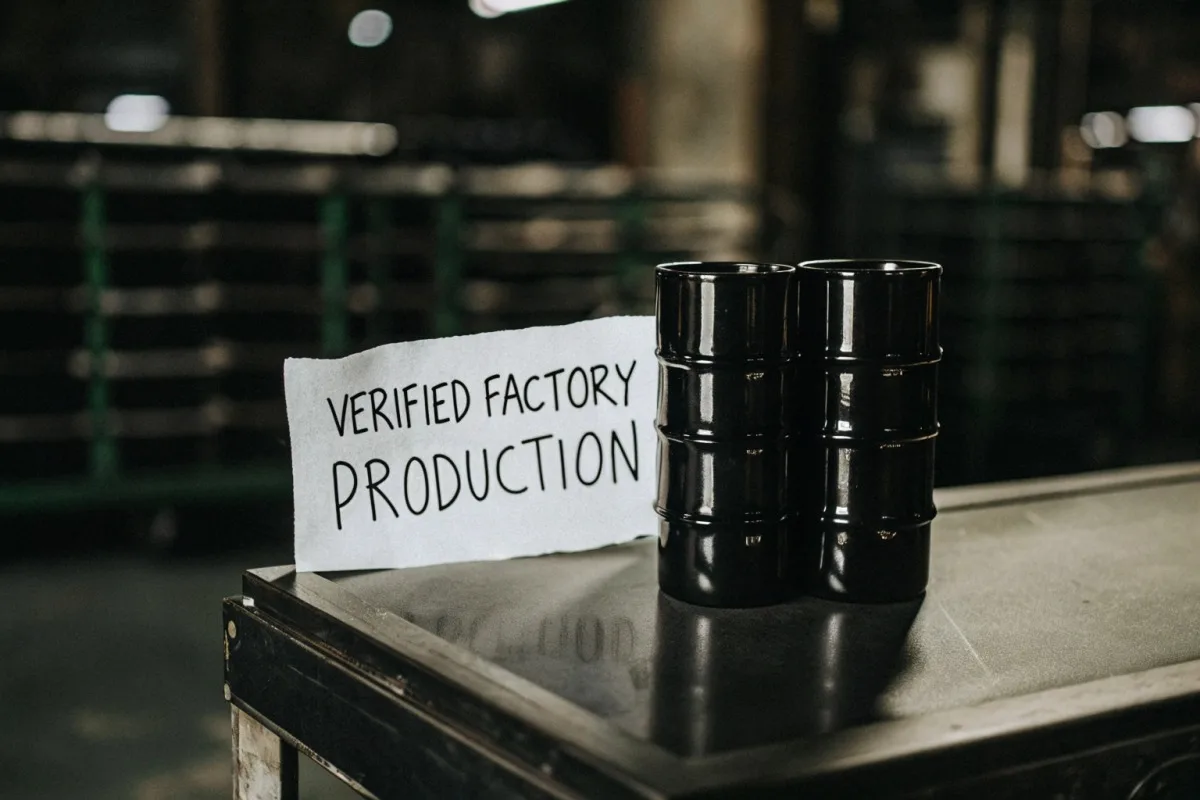
Schedule a call specifically to discuss production. Ask questions like: What firing temperature do you use for the base coat? How do you prevent color bleeding on multi-color designs? What's your process for rim protection? Our engineers answer these questions with specific details. Trading company salespeople cannot.
Understanding Enamel Mug Production Stages
When we explain our process to clients, we cover each stage:
First, metal forming. We cut steel sheets into rings, press the body shape using high-pressure machines, and weld handles and rims. This creates the mug structure.
Second, surface preparation. We clean and prepare the metal surface to ensure enamel adhesion.
Third, base coating. We apply the ground coat, which bonds enamel to steel. This layer fires at approximately 850°C.
Fourth, color application. We apply enamel colors and decorative elements. Complex designs require multiple applications and firings.
Fifth, firing. Each enamel layer fires separately at high temperatures. This fuses the porcelain enamel to steel, creating durability.
Sixth, decoration. We apply ceramic decals or baked prints. These fire into the enamel surface, becoming permanent and scratch-resistant.
A supplier who cannot explain these stages in detail doesn't control the manufacturing process.
Decoration Method Comparison
| Decoration Method | Process | Durability | Best For |
|---|---|---|---|
| Ceramic decals | Fired into enamel at high temperature | Excellent – permanent, scratch-resistant | Complex full-color designs |
| Baked prints | Heat-transferred and fired | Excellent – melted into enamel surface | Photo-realistic images |
| Screen printing | Applied and fired | Good – durable with proper firing | Simple logos, text |
| Sublimation | Heat-pressed onto coating | Poor – fades, cracks, not true enamel | Not recommended |
| Laser engraving | Etched into surface | Moderate – can cause fragility | Simple designs on dark colors |
Request Design Capability Proof
Ask for examples of similar complex work. We maintain a portfolio of challenging projects we've completed. Request photos of production stages, not just finished products. A real factory documents their process. Ask how they handle your specific requirements: custom Pantone colors, wraparound designs, or small text clarity.
MOQ and Customization Flexibility
Factories handling OEM work provide clear MOQ information and customization options. We work with clients on custom vector templates designed for curved enamel surfaces. We explain exactly what's achievable and what's not. Trading companies often promise everything, then deliver compromises because they cannot control the actual production process.
The Campfire Test
For enamel mugs, the ultimate quality test is simple. Place the mug directly on campfire coals. Genuine high-quality enamel mugs survive without chipping, melting, or rusting. Inferior products fail this test. Ask your supplier if their mugs pass the campfire test. If they hesitate or don't understand the question, they may not manufacture true enamel products.
Request a Technical Specification Sheet
Before ordering, request a written specification sheet. This document should include: steel thickness, enamel coating type and thickness, firing temperature range, decoration method, and quality inspection criteria. Factories provide these details because we track them for quality control. Trading companies rarely have this information.
Conclusion
Identifying real enamel mug factories requires verification through certifications, facility proof, pricing analysis, and technical conversations. Protect your brand by working directly with manufacturers who demonstrate genuine production capabilities.
Footnotes
1. Replaced HTTP 404 with a working, informative page detailing the enameling process. ↩︎
2. Replaced HTTP 404 with a working, authoritative page from SBA.gov on applying for business licenses and permits. ↩︎
3. Replaced HTTP 404 with a working, authoritative page from the same organization (SGS) providing an overview of ISO 9001 certification. ↩︎
4. Replaced HTTP 404 with a working, authoritative page from FDA.gov on food chemical safety, which covers food contact substances. ↩︎
5. Provides an official list of CPSC-accepted accredited laboratories for product safety compliance testing. ↩︎
6. Explains what third-party audits are and their importance for compliance and credibility. ↩︎
7. Defines Original Equipment Manufacturer (OEM) and its role in product manufacturing. ↩︎