
When our production team shipped the first batch of custom enamel mugs to a US buyer, the shipment sat at port for two weeks US Customs clearance 1. The problem? Missing paperwork and incorrect HS code 2s. That delay cost our client money and trust.
To handle US customs clearance for custom enamel mugs from China, you need accurate documentation including commercial invoices, packing lists, bills of lading, and certificates of origin. Work with a licensed customs broker, classify your products under the correct HS code, pay applicable duties, and ensure FDA compliance for food-contact items.
This guide walks you through each step. We cover required documents, duty calculations, FDA standards, and tips to avoid delays Importer Security Filing (ISF) 3. Let’s dive in.
What documents do I need to prepare for my enamel mug shipment from China?
Our export team handles hundreds of enamel mug shipments yearly Section 301 tariffs 4. We've learned that missing even one document can hold your goods at US ports for days or weeks.
You need six essential documents for customs clearance: commercial invoice, packing list, bill of lading, Importer Security Filing (ISF), certificate of origin, and customs bond. File your ISF at least 24 hours before vessel loading to avoid fines up to $10,000.
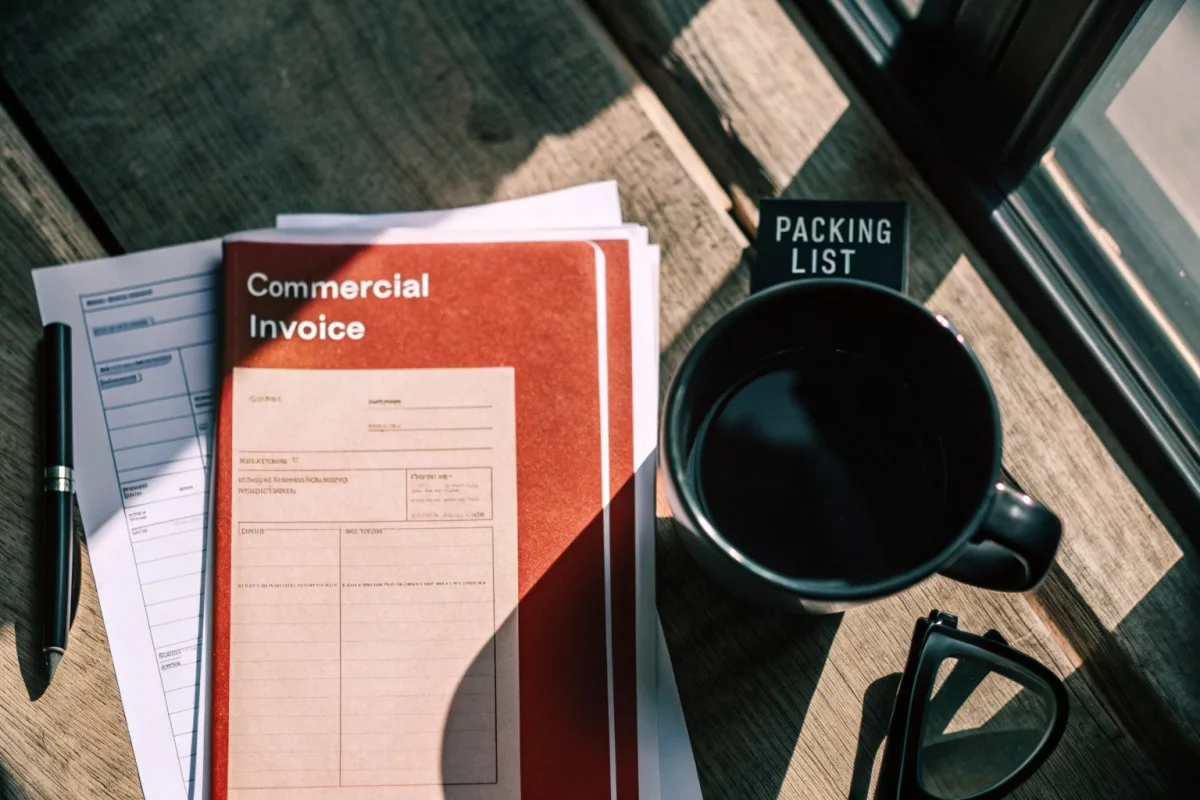
Commercial Invoice Requirements
The commercial invoice is your most important document FDA regulations 5. It tells US Customs and Border Protection (CBP) what you're importing and its value. When we prepare invoices for our clients, we include:
- Full product description ("custom enamel steel mugs with printed logo")
- Quantity and unit price
- Total shipment value
- HS code classification
- Country of origin (China)
- Buyer and seller details
Never undervalue your invoice. CBP uses data analytics to detect discrepancies. If caught, you face fines up to four times the correct duty amount 21 CFR 109.16 standards 6.
The Importer Security Filing (ISF)
This filing goes by another name: the "10+2" rule. You must submit it electronically at least 24 hours before your cargo loads onto the vessel in China. Late filing triggers automatic fines starting at $5,000.
At our facility, we coordinate with buyers to ensure ISF details match shipping documents exactly. Any mismatch raises red flags.
Document Checklist Table
| Document | Purpose | When to Prepare |
|---|---|---|
| Commercial Invoice | Declares value and product details | Before shipment |
| Packing List | Lists carton contents and weights | Before shipment |
| Bill of Lading | Proves cargo ownership | At port loading |
| ISF (10+2) | Security filing for CBP | 24+ hours before loading |
| Certificate of Origin | Confirms Chinese origin | Before shipment |
| Customs Bond 7 | Guarantees duty payment | Before arrival |
Certificate of Origin
This document proves your enamel mugs were manufactured in China. It matters for duty calculations and potential trade restrictions. We provide this certificate with every shipment. Some buyers also request it for their own record-keeping.
Customs Bond Explained
A customs bond acts like insurance for the US government. It guarantees you'll pay all duties and fees. Two types exist:
- Single-entry bond: Covers one shipment. Good for occasional importers.
- Continuous bond: Covers all shipments for one year. Better for regular importers.
Most customs brokers can arrange bonds quickly. The cost runs between $50-500 depending on your shipment value.
How much will I pay in import duties and taxes for my custom enamel mugs?
During price quotations, our sales team often gets this question first. Buyers want to calculate their total landed cost before placing orders. Smart planning prevents budget surprises.
Import duties for enamel mugs range from 2.7% to 10% depending on material classification. Enameled steel mugs (HS 7323.94.0080) carry 2.7% duty, while ceramic mugs (HS 6912.00.4400) incur 10%. Add Section 301 tariffs of up to 25% for Chinese goods, plus processing fees.
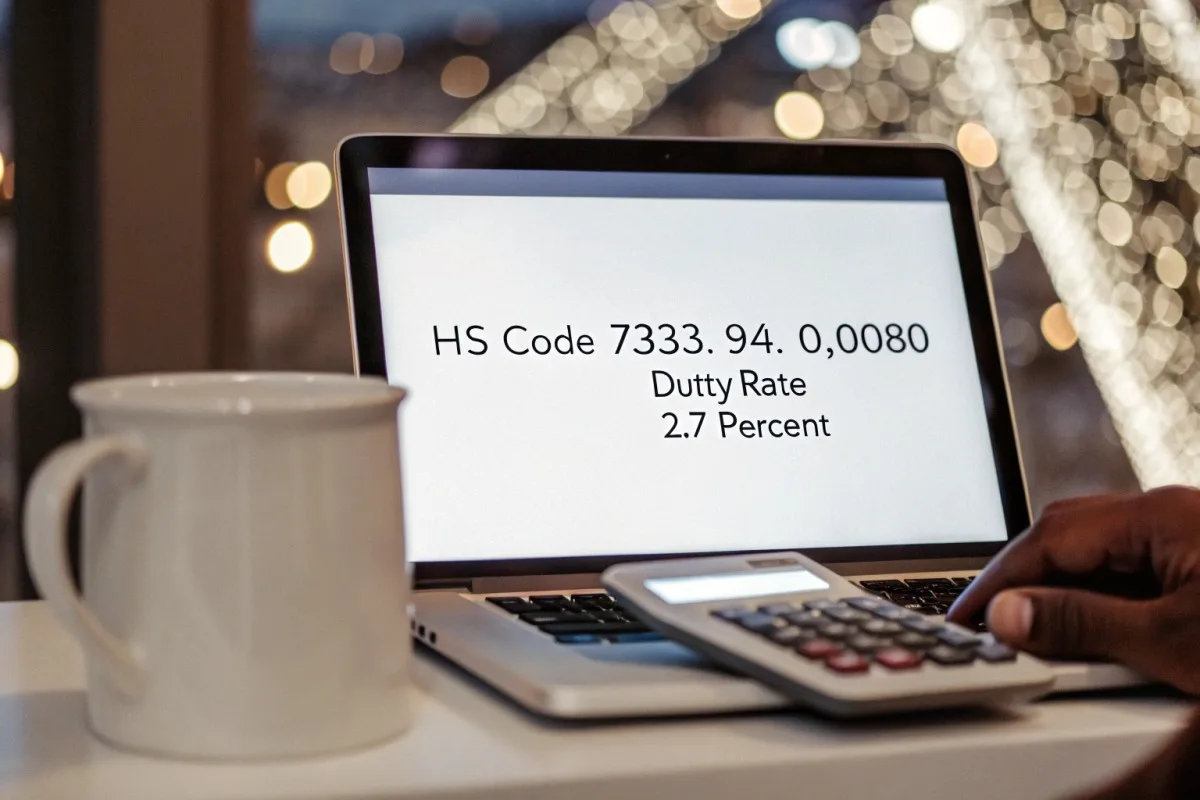
Understanding HS Code Classification
Your HS code determines everything. Get it wrong, and you'll pay incorrect duties—or face penalties later during audits.
Here's the challenge with enamel mugs: the term covers different products. Our factory produces steel-based enamel mugs. These differ from ceramic mugs with enamel-style glazing.
Duty Rate Comparison Table
| Product Type | HS Code | Base Duty Rate | Section 301 Tariff | Total Potential Duty |
|---|---|---|---|---|
| Enameled Steel Mugs | 7323.94.0080 | 2.7% | Up to 25% | Up to 27.7% |
| Ceramic Mugs | 6912.00.4400 | 10% | Up to 25% | Up to 35% |
| Porcelain Tableware | 6911.10.1000 | 6% | Up to 25% | Up to 31% |
Additional Fees Beyond Duties
Duties aren't your only cost. CBP charges processing fees on every entry:
Merchandise Processing Fee (MPF): 0.3464% of the shipment value. Minimum $31.67, maximum $614.35.
Harbor Maintenance Fee (HMF): 0.125% of value for ocean freight shipments.
Sample Cost Calculation
Let's calculate total costs for a typical order from our factory:
- Order: 2,000 custom enamel steel mugs
- FOB price: $3.50 per mug
- Total value: $7,000
| Fee Type | Rate | Amount |
|---|---|---|
| Base Duty (2.7%) | $7,000 × 2.7% | $189 |
| Section 301 Tariff (25%) | $7,000 × 25% | $1,750 |
| MPF | $7,000 × 0.3464% | $31.67 (minimum) |
| HMF | $7,000 × 0.125% | $8.75 |
| Customs Broker Fee | Flat rate | ~$150 |
| Total Additional Costs | ~$2,129 |
This adds roughly 30% to your product cost. Factor this into your retail pricing.
Avoiding Anti-Dumping Duties
Some Chinese ceramic and steel products face anti-dumping duties (AD/CVD). These are extra tariffs meant to prevent unfair pricing. Current orders for AD/CVD on enamel mugs vary. Check with your customs broker before ordering large quantities.
How do I ensure my enamelware meets FDA food safety standards for US entry?
When we develop new enamel coatings, our quality control lab tests for lead and cadmium content first. These heavy metals pose health risks. The FDA watches for them closely.
Enamel mugs for food contact must comply with FDA regulations limiting lead and cadmium leaching. Obtain third-party lab test reports showing your products meet 21 CFR 109.16 standards. Keep test certificates ready for CBP inspection. Non-compliant shipments get detained or refused entry.
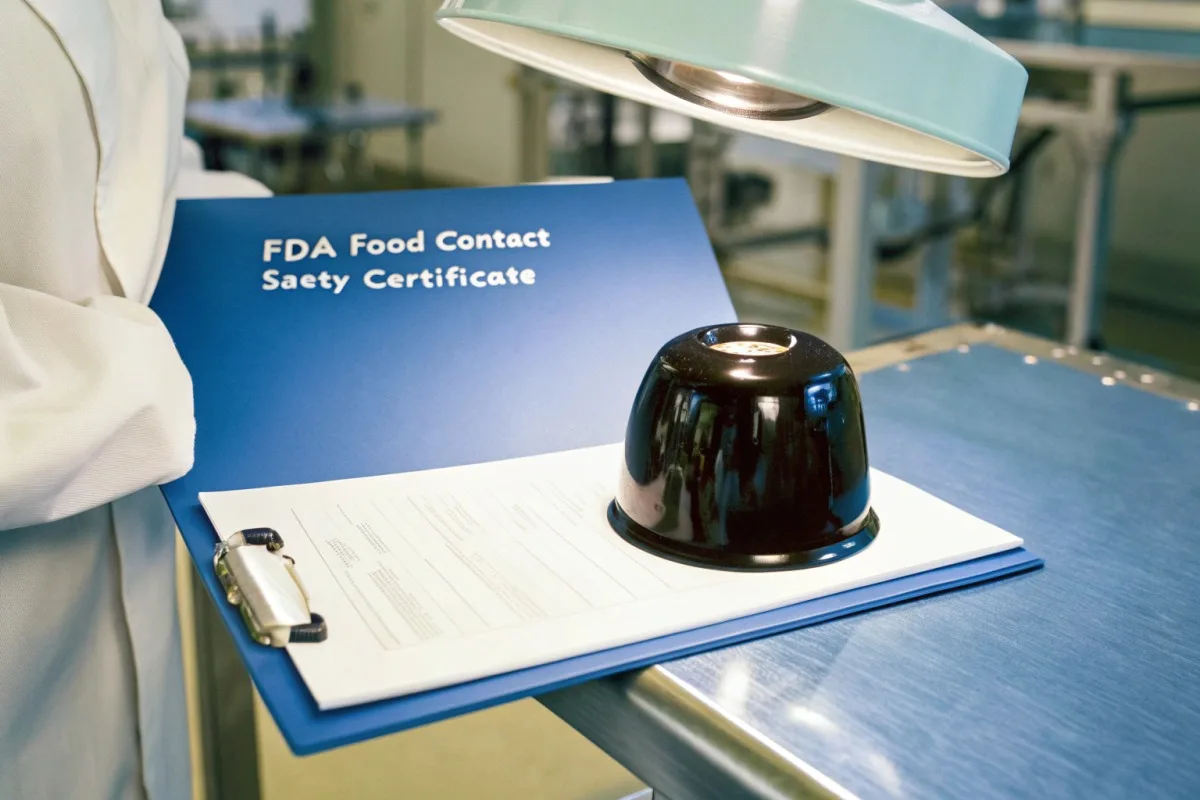
FDA Requirements for Food-Contact Items
Any product touching food or drinks falls under FDA jurisdiction. This includes enamel mugs. The agency doesn't require pre-approval, but they can inspect shipments anytime.
At our factory, we conduct heavy metal testing on every production batch. We use accredited labs that issue reports accepted by US authorities.
Lead and Cadmium Limits
The FDA sets strict limits for heavy metals in food-contact ceramics and enamelware:
| Item Type | Lead Limit | Cadmium Limit |
|---|---|---|
| Flatware (plates, saucers) | 3.0 ppm | 0.5 ppm |
| Small hollowware (mugs, cups) | 2.0 ppm | 0.5 ppm |
| Large hollowware (pitchers, bowls) | 1.0 ppm | 0.25 ppm |
Enamel mugs fall under "small hollowware." Your products must test below 2.0 ppm for lead and 0.5 ppm for cadmium.
Testing Documentation
Request these documents from your supplier:
- Lab test report: Shows actual lead/cadmium levels
- Test method used: Must follow FDA extraction procedures
- Lab accreditation: ISO 17025 or equivalent
- Batch identification: Links results to your specific order
We include these certificates automatically with shipments. If your supplier doesn't offer testing, consider that a warning sign.
What Happens During FDA Inspection?
CBP may flag your shipment for FDA review. If this happens:
- Your goods go to an examination facility
- FDA may take samples for testing
- Results take 2-4 weeks
- You pay storage fees during the wait
To avoid this, provide test documentation proactively. Include it with your customs entry paperwork.
Working With Quality Suppliers
When we onboard new buyers, we share our testing protocols openly. Transparent suppliers reduce your compliance risk. Ask potential manufacturers:
- Do you test every production batch?
- Which lab performs your testing?
- Can you provide historical test results?
- Will you guarantee FDA compliance in our contract?
What steps can I take to avoid delivery delays during the customs clearance process?
Our shipping coordinator tracks every container until delivery confirmation. We've seen delays from port congestion, document errors, and random inspections. Preparation prevents most problems.
To avoid customs delays, file your ISF early, use correct HS codes, ensure document consistency, work with experienced customs brokers, and maintain FDA compliance documentation. Most clearances complete within 24-48 hours when paperwork is accurate. Errors can extend this to 2-4 weeks.
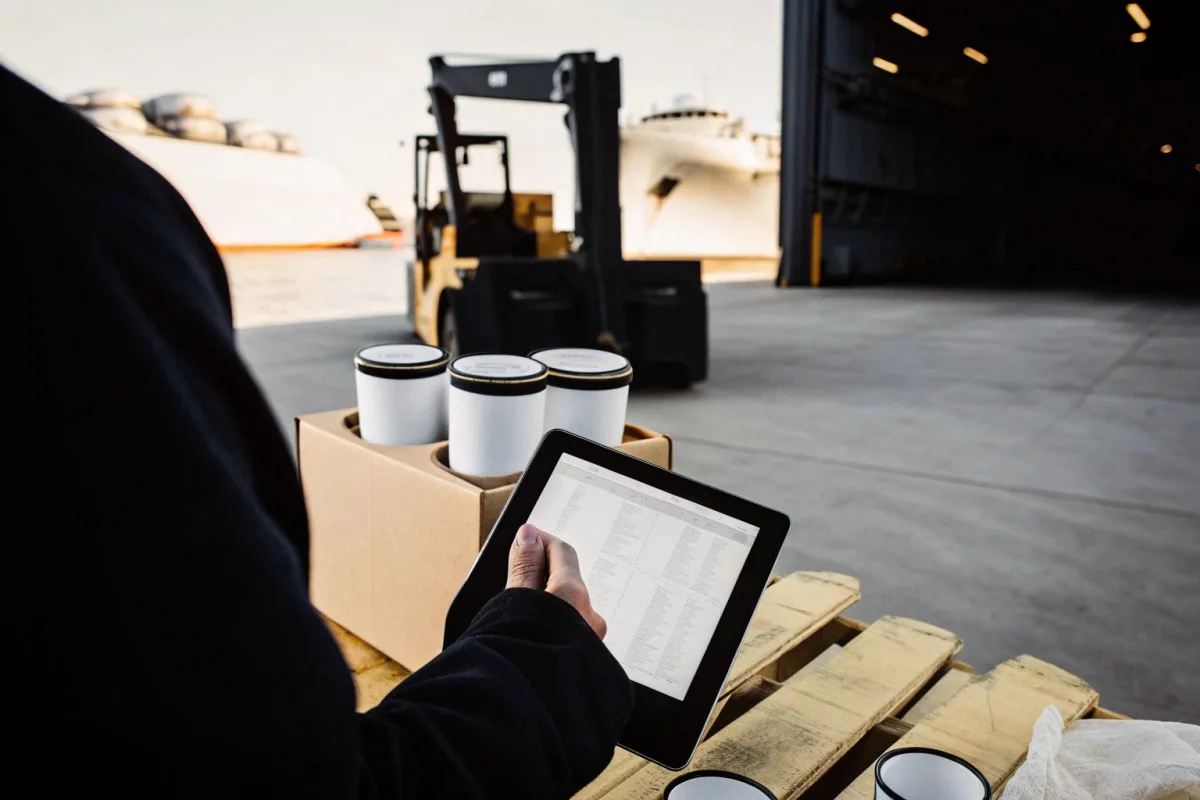
Common Causes of Delays
Understanding problems helps you prevent them. Here's what we see most often:
Document inconsistencies: Your commercial invoice says 5,000 mugs but your packing list says 4,800. CBP notices these mismatches.
Late ISF filing: Filing after the deadline triggers holds and fines.
Wrong HS classification: Declaring ceramic when you're shipping steel causes questions.
Missing origin marking: "Made in China" labels must be visible and permanent.
Timeline Expectations
| Shipping Method | Normal Clearance | With Issues |
|---|---|---|
| Air Freight | 4-24 hours | 3-7 days |
| Ocean Freight | 1-3 days | 2-4 weeks |
| Express Courier | 1-4 hours | 1-3 days |
These times assume you've filed everything correctly. Budget extra time for your first few shipments.
The Customs Broker Advantage
We always recommend using licensed customs brokers. Yes, it costs $100-300 per entry. But the value exceeds the cost.
Brokers offer:
- ACE system access for electronic filing
- HS code expertise
- Direct CBP communication
- Problem resolution experience
DIY filing seems cheaper until you make a $10,000 mistake. For first-time importers, broker guidance is essential.
Pre-Arrival Preparation Checklist
Complete these steps before your shipment arrives:
- Confirm ISF filed and accepted
- Verify all document details match exactly
- Pre-clear customs bond status
- Alert broker to expected arrival date
- Have FDA test reports ready to submit
- Confirm payment ready for duties
Port Selection Matters
Major ports like Los Angeles and Long Beach handle the most China traffic. They also experience the worst congestion. Consider alternative ports:
- Oakland, CA
- Savannah, GA
- Charleston, SC
- Houston, TX
Smaller ports may clear shipments faster. Discuss routing options with your freight forwarder.
Communication With Your Supplier
At our factory, we maintain constant communication during shipping. We send:
- Pre-shipment document drafts for review
- Real-time tracking updates
- Arrival notifications
- Customs status alerts
Demand this level of communication from your supplier. Problems caught early cause less damage.
De Minimis Rule Changes
As of August 2025, the de minimis exemption has been suspended. Previously, shipments under $800 bypassed formal customs entry. Now all shipments—regardless of value—require full documentation and duty payment.
This affects sample orders and small test batches. Plan accordingly.
Conclusion
Clearing US customs for custom enamel mugs requires careful documentation, correct classification, FDA compliance, and professional support. Work with experienced suppliers and licensed brokers to minimize delays and costs.
Need help with your next enamel mug order? Our team handles export documentation daily. Contact us for a quote that includes compliance support.
Footnotes
1. Official CBP guide to importing goods into the United States. ↩︎
2. Replaced HTTP 403 link with an authoritative International Trade Administration page explaining Harmonized System (HS) codes. ↩︎
3. CBP details on the Importer Security Filing (10+2) requirements for ocean cargo. ↩︎
4. Official USTR information regarding Section 301 investigations and trade actions. ↩︎
5. FDA guidelines for food contact substances and materials to ensure safety. ↩︎
6. Direct access to the specific FDA regulation concerning lead in ceramicware. ↩︎
7. CBP explanation of customs bonds and their role in import compliance. ↩︎