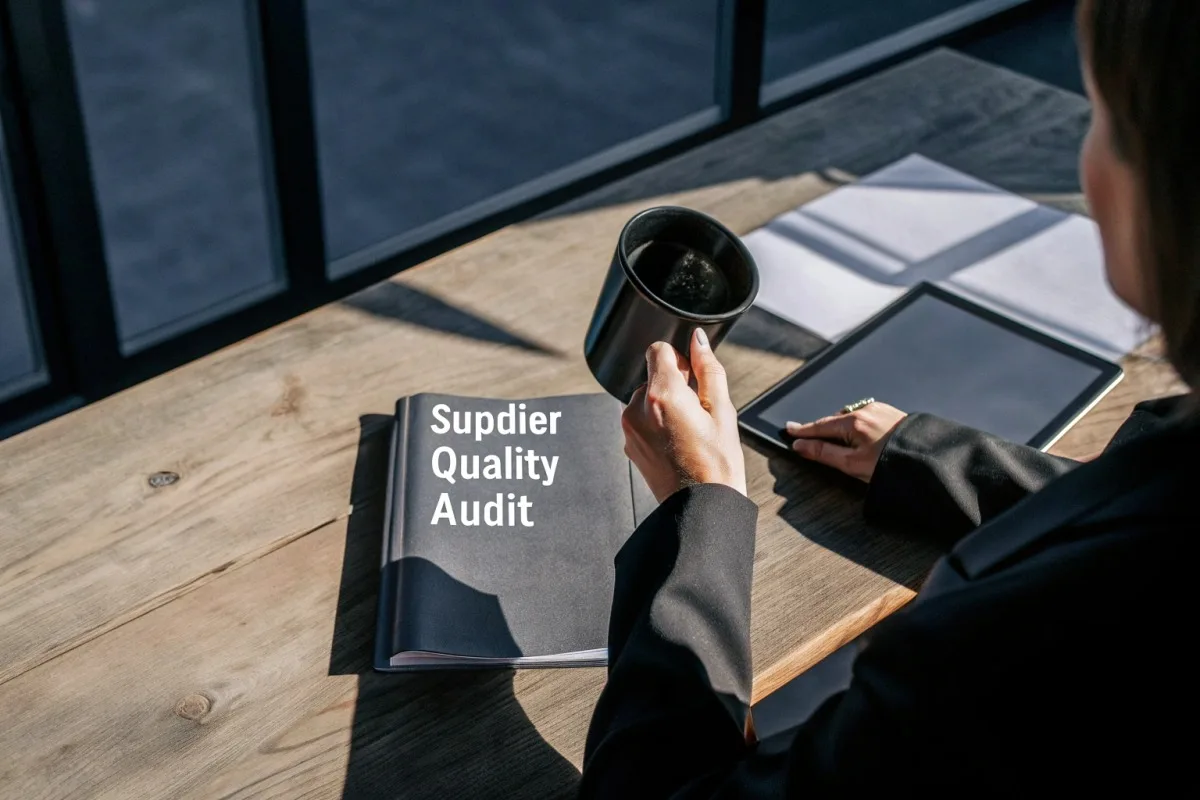
When our production team first started working with US cafe brands, we quickly learned that the evaluation process goes far beyond price tags FDA certifications 1. Many cafe owners struggle to find suppliers who truly understand their needs. The wrong choice leads to delayed shipments, inconsistent quality, and mugs that chip after a few washes.
To evaluate a supplier’s experience for custom enamel mugs, you should verify their track record with US cafe brands, request quality control documentation including FDA certifications, assess their customization capabilities for OEM designs, and confirm their ability to meet strict delivery timelines through references and case studies.
This guide walks you through each step of the evaluation process quality control documentation 2. We will share practical methods our team uses daily to help US cafe buyers make confident sourcing decisions.
How can I verify a supplier's track record with other US cafe brands before I place an order?
Our experience working with US-based cafe chains has taught us that references speak louder than promises OEM designs 3. Many suppliers claim expertise, but few can actually prove it with real client results.
To verify a supplier's track record, request direct references from US cafe clients, ask for detailed case studies with photos, and inquire about their understanding of American cafe culture, including customer preferences for mug sizes, design trends, and FDA compliance requirements.
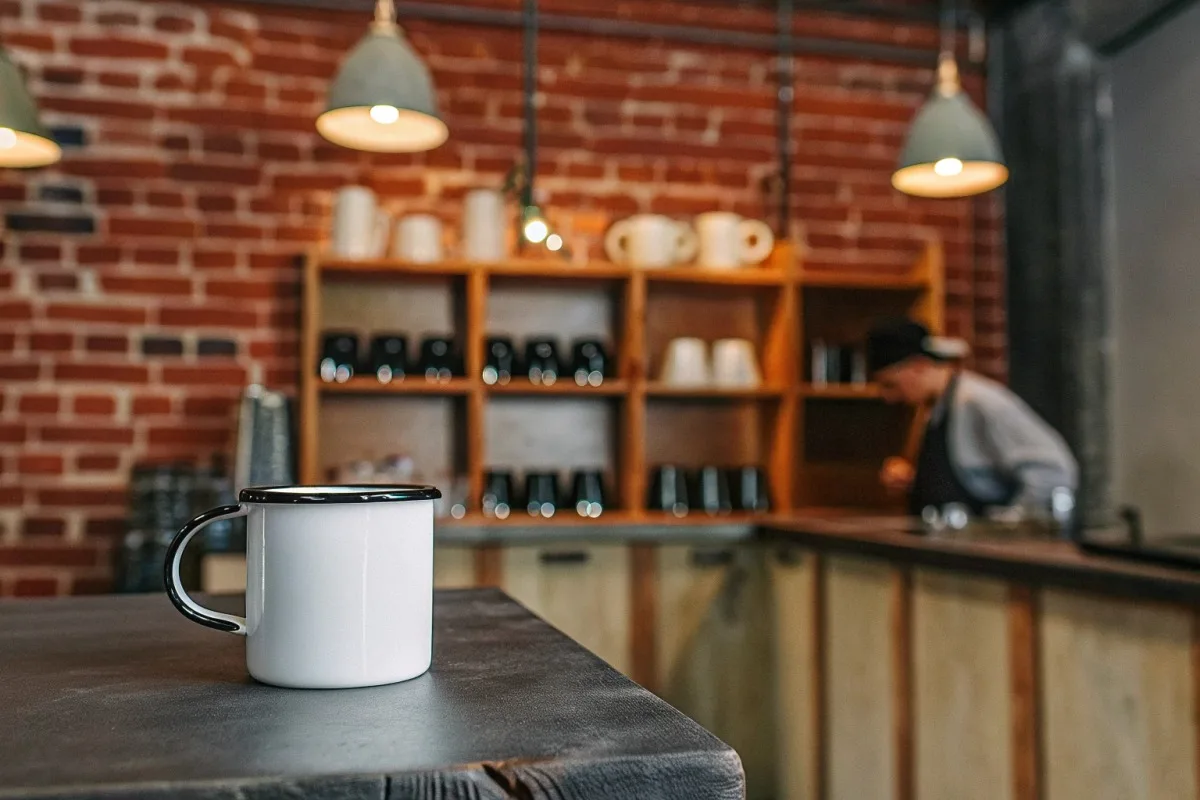
Why References Matter More Than Marketing Claims
In our factory, we keep a portfolio of past projects specifically for this purpose. A credible supplier should willingly provide contact information for previous US clients. If they hesitate, that is a red flag. Good suppliers are proud of their work and know satisfied customers will speak positively about them.
When you contact these references, ask specific questions. Did the mugs arrive on time? Were there quality issues? How did the supplier handle problems? These conversations reveal the true supplier experience far better than any website testimonial.
Key Questions to Ask During Verification
| Question Category | Specific Questions to Ask | What Good Answers Look Like |
|---|---|---|
| Past Performance | How many US cafe orders have you completed? | Specific numbers with examples |
| Client References | Can I speak with your US cafe clients? | Willingness to provide contacts |
| Cultural Knowledge | What mug sizes do US cafes prefer? | 12oz and 16oz, Keurig compatibility |
| Problem Resolution | How did you handle a recent quality issue? | Clear process with specific example |
| Market Understanding | What design trends work for US cafes? | Rustic, vintage, minimalist aesthetics |
Evaluating Case Studies Effectively
Request case studies that include before-and-after details. A strong case study shows the client's original requirements, how the supplier met those needs, any challenges faced, and the final outcome. When we prepare case studies from our production line, we include photos of the design process, quality checks, and shipping documentation.
Look for case studies involving cafes similar to yours. If you run a small artisan coffee shop, a case study about supplying a large chain may not be relevant. The best suppliers can show experience across different cafe sizes and styles.
Understanding US Cafe Culture Indicators
A supplier who truly understands US cafes will know details beyond basic product specifications. They should understand that American cafes often use enamel mugs for both hot beverages and merchandise sales. They should know that durability matters because cafe mugs get washed dozens of times daily. They should recognize that 16oz mugs work well with single-serve coffee machines like Keurig.
| US Cafe Preference | Supplier Knowledge Indicator |
|---|---|
| Mug durability | Mentions chip-proof and scratch-resistant coatings |
| Popular sizes | Recommends 12oz (350ml) and 16oz (470ml) |
| Design style | Discusses rustic, vintage, and brandable aesthetics |
| Safety compliance | Proactively mentions FDA certification |
| Washing frequency | Addresses commercial dishwasher compatibility |
What quality control evidence should I request to ensure my custom mugs meet US safety standards?
At our facility, we maintain strict documentation for every production run. Without proper quality control evidence, you risk receiving mugs that look great but fail safety tests or chip within weeks of use.
Request FDA certification documents, material composition reports confirming food-safe enamel, third-party test results for lead and cadmium levels, and photos or videos of the quality inspection process at each production stage to ensure your custom mugs meet US safety standards.
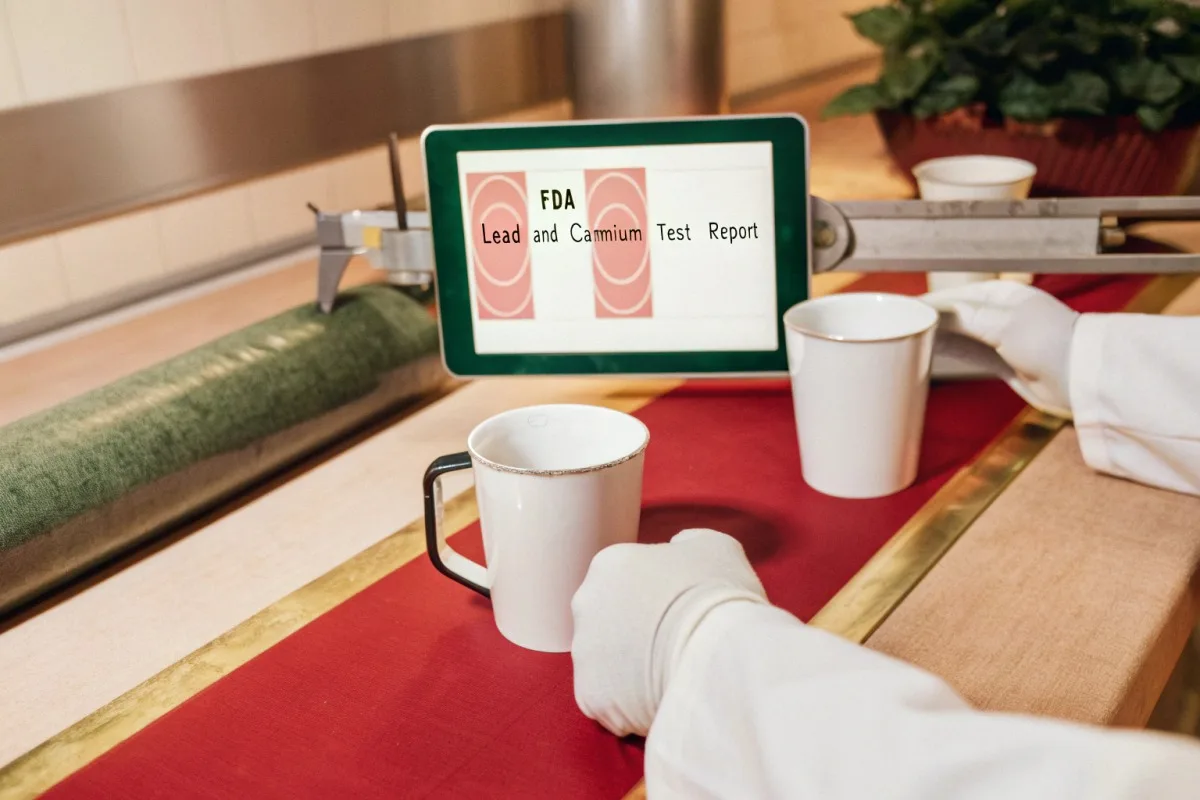
Essential Safety Certifications for US Cafes
The FDA sets strict standards for materials that contact food and beverages. Your supplier must provide documentation proving their enamel coating is food-safe. This is non-negotiable for any cafe serving drinks in these mugs.
Beyond FDA certification, ask for test reports showing lead and cadmium levels 4. These heavy metals can leach from poor-quality enamel coatings. Reputable testing laboratories provide detailed reports you can verify independently.
Quality Control Documentation Checklist
| Document Type | What It Proves | Red Flag If Missing |
|---|---|---|
| FDA Certificate | Food-safe materials | Cannot legally sell for food use in US |
| Material Test Report | Enamel composition | Unknown chemical safety |
| Lead/Cadmium Test | Heavy metal levels | Potential health hazard |
| Production Inspection Photos | Process quality | No visibility into manufacturing |
| Finished Product Inspection | Final quality check | May ship defective units |
Understanding the Inspection Process
When we run production for US cafe clients, our quality team checks mugs at multiple stages. First, we inspect raw materials before production begins. Then we check the steel base after forming. Next comes enamel application inspection. Finally, we examine finished mugs for chips, bubbles, and color accuracy.
Ask your supplier to explain their inspection process in detail. Request photos or videos showing these checkpoints. A supplier who cannot explain their quality process probably does not have one.
Durability Testing You Should Request
Cafe mugs face tough conditions. They get dropped, stacked, washed repeatedly, and sometimes used over open flames for outdoor events. Request evidence of durability testing.
Good suppliers test their mugs for thermal shock resistance 5, scratch resistance, and chip resistance. They should be able to show you how many wash cycles their mugs can withstand. On our production floor, we test samples from every batch before shipping.
How do I evaluate a factory's capability to handle my unique aesthetic and OEM design requirements?
Our design team works daily with cafe brands who want something truly unique. Evaluating customization capability requires looking beyond basic color options to understand the full range of possibilities.
Evaluate customization capability by reviewing the supplier's color range including Pantone matching, print method options such as decal and full-wrap printing, minimum order flexibility, design support services, and their portfolio of complex OEM projects completed for similar cafe brands.
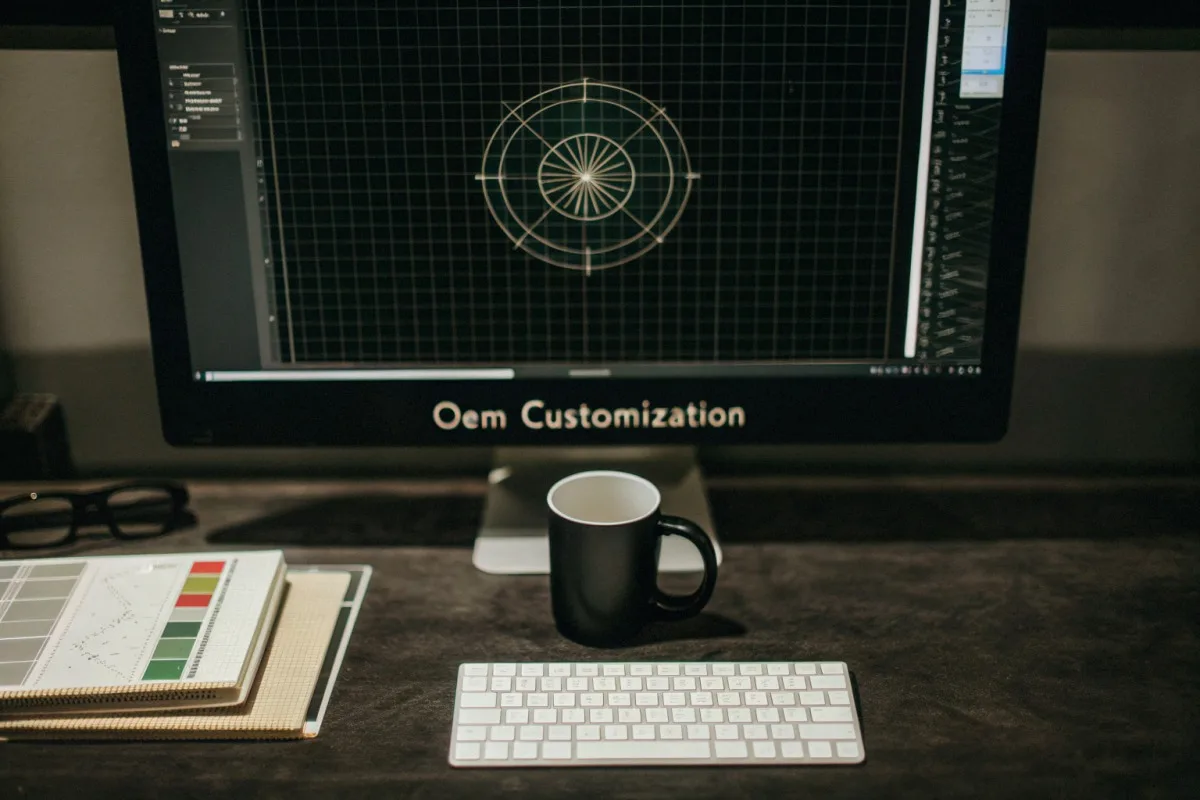
Color and Finish Options That Matter
The best enamel mug suppliers offer extensive color libraries. When we work with cafe brands, we typically offer over 20 exterior colors, multiple interior color options, and customizable rim and handle colors. Pantone matching 6 capability is essential for brands with specific color requirements.
| Customization Feature | Basic Supplier | Advanced Supplier |
|---|---|---|
| Exterior Colors | 5-10 standard | 21+ including custom |
| Interior Colors | White only | 5+ options |
| Rim/Handle Colors | Matches exterior | Independent selection |
| Pantone Matching | Not available | Full matching service |
| Print Colors | 1-2 colors | 34+ colors, full CMYK |
Print Methods and Their Applications
Different print methods suit different design goals. Decal printing works well for logos and simple graphics. Full-wrap printing creates immersive branded experiences covering the entire mug surface. Laser engraving adds a premium, permanent finish.
Ask for samples showing each print method. Compare the feel, durability, and visual impact. On our production samples, we demonstrate how each method withstands washing and daily use.
Minimum Order Quantities and Flexibility
Minimum order requirements vary dramatically between suppliers. Some require 200 pieces minimum, which suits large cafe chains. Others offer no minimum, which benefits small cafes testing new designs.
Consider your needs carefully. If you run a single location testing a new branded mug line, you need low minimums. If you operate multiple locations, higher minimums with better per-unit pricing may work better.
Design Support Services
Evaluate what design help the supplier provides. Can they convert your rough sketch into production-ready artwork? Do they offer mockup images before production? Will they suggest improvements based on their manufacturing experience?
Our design team regularly helps cafe clients refine their concepts. We know which colors photograph well, which designs wrap properly around curved surfaces, and which elements may cause production issues. This expertise saves time and prevents costly mistakes.
What signs should I look for to ensure my supplier can meet my strict delivery timelines?
Delivery delays can ruin a cafe opening or promotional event. In our shipping department, we track every order from production start to final delivery because we understand how critical timing is for our clients.
Look for suppliers who provide detailed production schedules, have established shipping partnerships with US delivery experience, offer transparent tracking systems, maintain buffer stock for rush orders, and can provide references confirming on-time delivery performance.
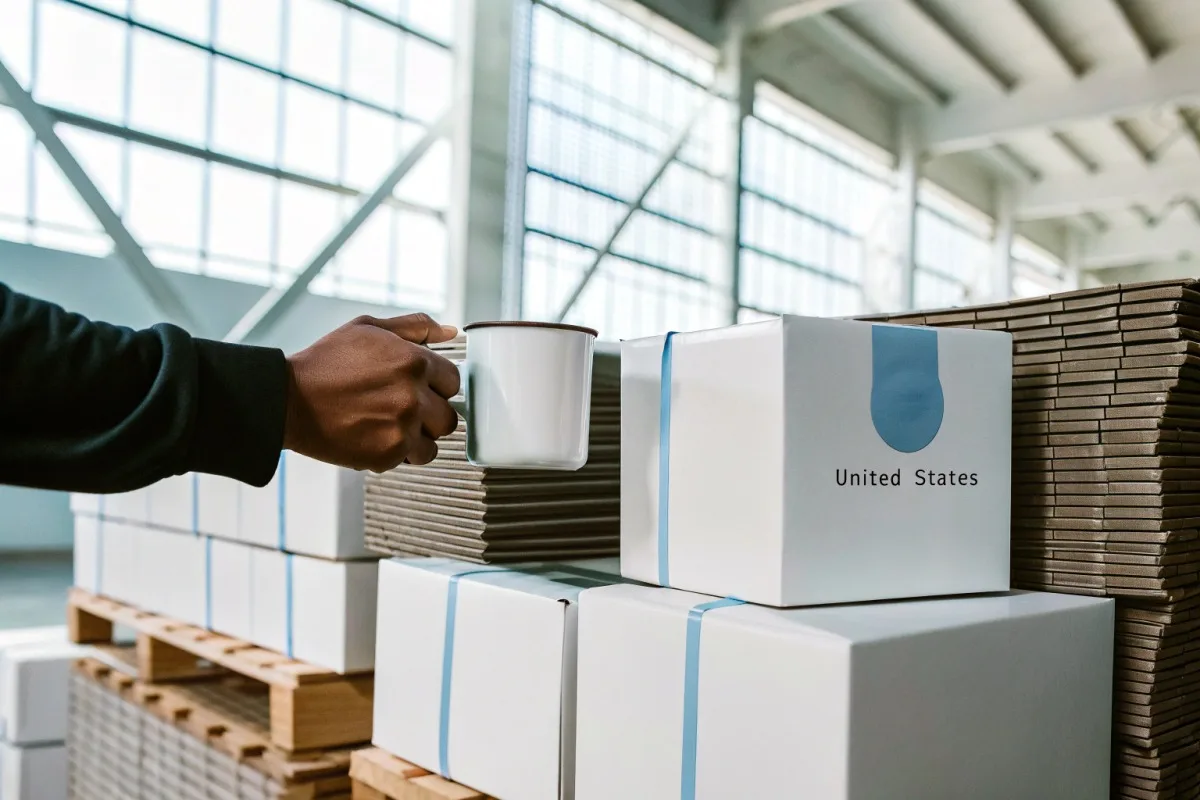
Production Timeline Transparency
A reliable supplier breaks down the timeline clearly. They should specify how many days for design approval, production, quality inspection, and shipping. When we quote lead times, we account for each phase separately so clients understand exactly where their order stands.
| Production Phase | Typical Duration | Factors That Add Time |
|---|---|---|
| Design Approval | 2-5 days | Complex revisions |
| Production | 7-14 days | Large quantities, custom colors |
| Quality Inspection | 1-2 days | Issues requiring rework |
| Packaging | 1-2 days | Special packaging requests |
| Shipping to US | 7-21 days | Sea vs. air freight |
| Customs Clearance | 2-5 days | Documentation issues |
Shipping Experience to the United States
Experience shipping to the US matters enormously. Suppliers familiar with US customs procedures 7, import duties, and carrier partnerships handle logistics more smoothly. They know which documentation prevents delays and which shipping methods balance cost with speed.
Ask specifically about their US shipping history. How many orders have they shipped to American addresses? What carriers do they use? Can they provide tracking numbers that work with US systems?
Communication and Update Systems
Reliable suppliers proactively communicate order status. They should not wait for you to ask where your order is. Look for suppliers who send regular updates at key milestones.
Our operations team sends updates when production starts, when quality inspection completes, when orders ship, and when tracking information becomes available. This communication style indicates a supplier who takes delivery commitments seriously.
Rush Order Capability
Sometimes you need mugs faster than standard lead times allow. Evaluate whether your supplier can handle rush orders. Do they maintain any buffer inventory? Can they prioritize production for urgent needs? What additional costs apply for expedited service?
A supplier with rush capability demonstrates manufacturing flexibility and commitment to client success. This matters even if you do not need rush service immediately. Eventually, every cafe faces an unexpected deadline.
Warning Signs of Delivery Problems
Watch for suppliers who give vague timelines like "about a month" without specifics. Be cautious of suppliers who cannot explain their production capacity or current workload. Avoid suppliers who promise unrealistically fast delivery without explaining how they achieve it.
If a supplier has multiple negative reviews mentioning delivery delays, take that seriously. One late order might be bad luck. A pattern of delays indicates systemic problems you should avoid.
Conclusion
Evaluating supplier experience requires checking track records, verifying quality control, assessing customization capability, and confirming delivery reliability. Taking time to verify these factors protects your cafe investment.
Footnotes
1. Replaced with a page from SGS, a reputable testing and certification company, that provides an overview of FDA regulations for food contact materials. ↩︎
2. Highlights the importance and components of documentation for maintaining product quality. ↩︎
3. Defines Original Equipment Manufacturer (OEM) in the context of product creation. ↩︎
4. Provides information on FDA’s monitoring and regulation of lead in food and foodware. ↩︎
5. Explains a material’s ability to withstand rapid temperature changes. ↩︎
6. Explains the Pantone Matching System for consistent color communication in design. ↩︎
7. Provides an overview of the process for importing goods into the U.S. ↩︎