
On our production floor in Huizhou, we see procurement managers struggle with one question repeatedly BSCI or Sedex certifications 1. They love the visual impact of full wrap enamel mugs. But the pricing structure confuses them. Hidden fees appear. Quotes vary wildly between suppliers. This frustration costs brands time and money.
To evaluate full wrap design costs effectively, you must analyze four key areas: setup and plate fees, volume-based pricing tiers, design complexity impacts, and supplier quote comparisons. Factory-direct bulk orders of 1000+ units typically range from $3-8 per mug, while low-volume orders through print-on-demand services cost $10-35 per unit.
This guide breaks down each cost component. You will learn exactly how to calculate your true expenses Print-on-Demand platforms 2. Let us walk through every factor that affects your bottom line.
How do I calculate the setup and plate fees for my full wrap enamel mug designs?
When our design team prepares full wrap templates for new clients, we notice many buyers overlook initial fees. These one-time charges can significantly impact your project budget. Understanding them prevents unpleasant surprises later.
Setup and plate fees for full wrap enamel mugs typically range from $0-100 depending on your supplier type. Print-on-demand platforms charge no setup fees. Factory-direct suppliers charge $20-100 for artwork preparation, color separation, and printing plate creation. These fees become negligible when spread across orders of 500+ units.
Understanding Setup Fee Components
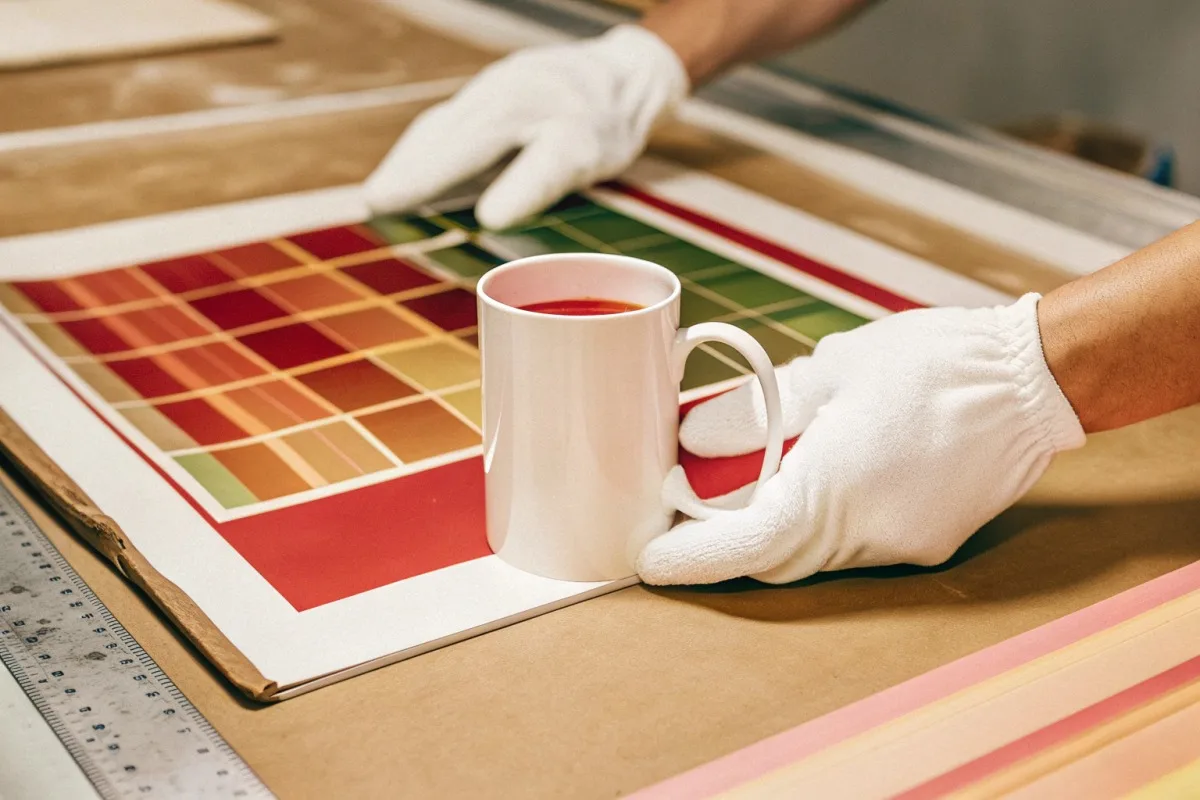
Setup fees cover several distinct processes. First, artwork preparation ensures your design file meets printing specifications. Our pre-press team converts files to the correct color profiles. We adjust dimensions for seamless wrap alignment. This takes 2-4 hours of skilled labor.
Second, plate creation involves physical manufacturing costs. For screen printing 3, each color requires a separate screen. Full wrap designs often need 4-8 screens. Digital printing requires calibration but no physical plates. Sublimation needs specialized transfer paper setup.
Third, proofing costs may apply. Sample production lets you verify colors and placement before bulk runs. We recommend always requesting physical samples. Digital proofs cannot accurately show how enamel coating affects color vibrancy.
Fee Structures by Supplier Type
| Supplier Type | Setup Fee Range | Included Services | Best For |
|---|---|---|---|
| Print-on-Demand (Printify, Gooten) | $0 | Digital file upload only | Testing designs, orders under 50 units |
| Trading Companies | $30-50 | Basic artwork check, digital proof | Medium orders 100-500 units |
| Direct Factories | $50-100 | Full artwork prep, physical sample, color matching | Bulk orders 500+ units |
| Premium Manufacturers | $100-200 | Custom Pantone matching, multiple samples, design consultation | Brand-critical projects |
Amortizing Setup Costs Across Your Order
The key to managing setup fees is volume planning. Consider this calculation method we share with clients:
Effective Setup Cost Per Unit = Total Setup Fees ÷ Total Order Quantity
For a $100 setup fee:
- 100 units = $1.00 added per mug
- 500 units = $0.20 added per mug
- 1000 units = $0.10 added per mug
- 2000 units = $0.05 added per mug
Smart buyers combine multiple SKU orders. If you need three different designs, negotiate a combined setup package. Our standard practice offers 30% setup discounts for multi-design orders placed simultaneously.
Avoiding Hidden Setup Charges
Watch for these commonly overlooked fees. Rush artwork processing often costs 50-100% extra. Design revision fees apply after the second round at most factories. Color matching for specific Pantone shades requires separate proofing runs. File format conversion charges appear when buyers submit low-resolution artwork.
Request a complete fee breakdown before committing. Ask specifically: "What charges apply beyond the quoted setup fee?" This simple question has saved our clients thousands in unexpected costs.
How will my total order volume impact the unit price of a full wrap print?
In our experience exporting to the US and Germany, volume determines everything. The difference between ordering 100 mugs versus 1000 mugs changes your per-unit cost dramatically. Understanding these pricing tiers helps you plan inventory strategically.
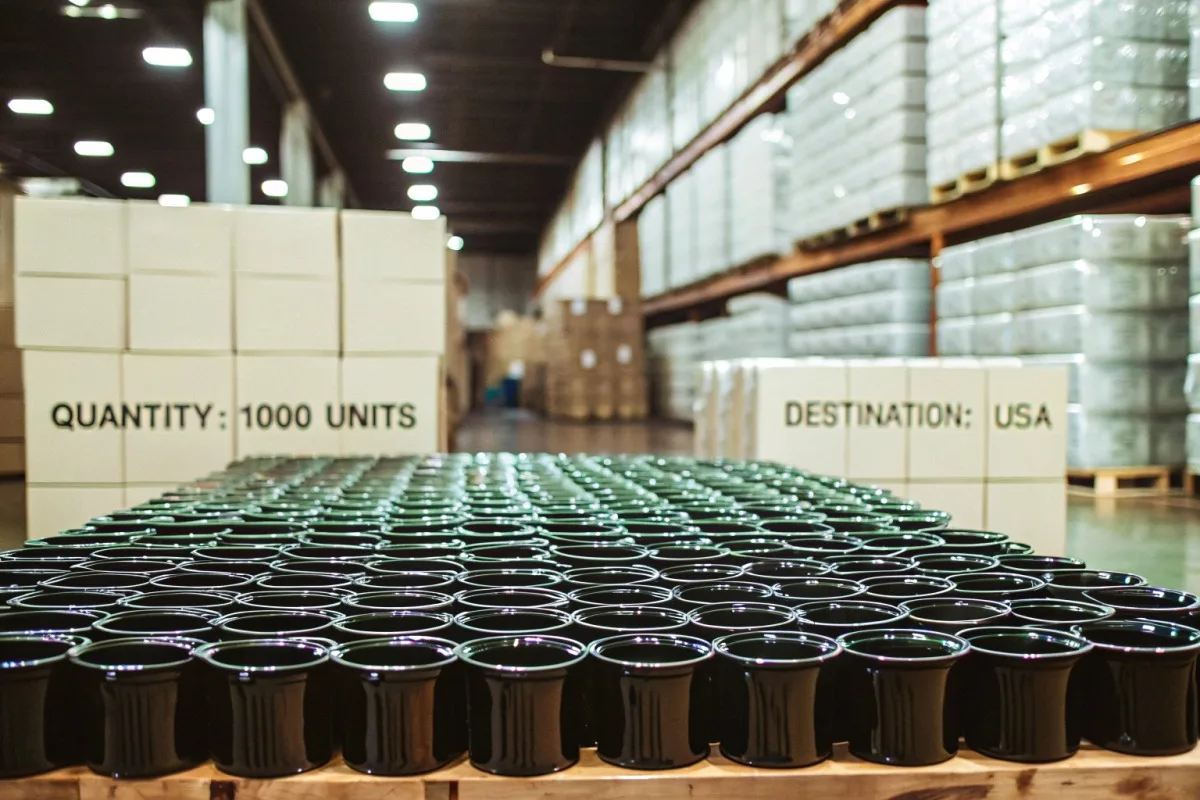
Order volume impacts full wrap enamel mug pricing through tiered discount structures. Orders of 50-100 units typically cost $10-20 per mug. At 500 units, prices drop to $6-12. Orders of 1000+ units achieve $3-8 per unit pricing. Each doubling of quantity generally reduces unit cost by 15-25%.
The Economics Behind Volume Pricing
Volume discounts exist because of fixed cost distribution. Our factory incurs the same setup labor whether printing 100 or 1000 mugs. Machine calibration takes identical time regardless of run length. Quality inspection protocols remain consistent. These fixed costs spread thinner across larger orders.
Variable costs also decrease at scale. Bulk raw material purchases command supplier discounts. Ink and consumable waste percentages drop with longer production runs. Labor efficiency improves as workers maintain rhythm on extended jobs.
Detailed Pricing Tier Breakdown
| Order Quantity | Base Mug Cost | Full Wrap Print Cost | Total Unit Cost | Notes |
|---|---|---|---|---|
| 1-24 units | $8-12 | $5-8 | $15-35 | POD pricing, polymer coating common |
| 25-99 units | $6-8 | $4-6 | $10-20 | Small batch factory runs |
| 100-299 units | $4-6 | $3-5 | $7-15 | Standard MOQ threshold |
| 300-499 units | $3.50-5 | $2.50-4 | $6-12 | Meaningful discount tier |
| 500-999 units | $3-4 | $2-3 | $5-9 | Bulk pricing begins |
| 1000-1999 units | $2.50-3.50 | $1.50-2.50 | $4-7 | Optimal price-to-volume ratio |
| 2000+ units | $2-3 | $1-2 | $3-6 | Maximum discount tier |
Strategic Volume Planning
When we request quotes for both full wrap printing and traditional logo placement, we compare visual impact against cost differences. Full wrap typically adds 20-50% versus single-side printing. At high volumes, this percentage represents significant absolute dollars.
Consider a phased ordering approach. Initial orders of 200-300 units test market response. Successful products justify larger reorders at better pricing. Many procurement managers lock in pricing agreements for projected annual volumes. This secures bulk rates while maintaining inventory flexibility.
MOQ Negotiations and Split Orders
Minimum order quantities vary widely. Print-on-demand services accept single-unit orders. Most factories require 100-200 unit minimums. Custom Pantone colors often demand 1000+ unit MOQs.
Negotiate MOQ splits for multiple designs. Instead of 500 units of one design, request 5 designs at 100 units each. This maintains total volume while allowing product variety. Our standard policy permits design splits at the same volume tier pricing.
What design complexities might lead to unexpected increases in my production costs?
Our engineering team frequently sees beautiful designs that are production nightmares. Complex artwork requires special handling. These complications translate directly to higher costs. Knowing potential issues beforehand saves budget and frustration.
Design complexity increases full wrap enamel mug costs through several factors: multiple colors add $0.25-1 per additional color, photographic images require premium sublimation at $1-3 extra, precise registration needs specialized equipment, and gradient effects demand advanced printing techniques. Simple vector logos remain most cost-effective.
Color Count and Its Cost Impact
Each additional color in screen printing requires a separate pass. Four-color designs cost 40-60% more than single-color prints. Eight-color designs may double your printing costs. Full-color photographic prints bypass this through sublimation or digital methods, but require different equipment entirely.
We recommend limiting spot colors to 4-6 maximum. Convert complex gradients to halftone patterns when possible. This maintains visual appeal while controlling production costs.
Photographic Versus Vector Artwork
| Artwork Type | Printing Method | Cost Impact | Quality Result | Best Applications |
|---|---|---|---|---|
| Simple Vector Logo | Screen Print | Base cost | Excellent durability | Corporate branding, text-heavy designs |
| Complex Vector | Screen Print | +20-40% | Good durability | Detailed illustrations, multi-element designs |
| Photographic | Sublimation | +50-100% | Excellent detail | Landscape imagery, product photos |
| Photographic | Digital Decal | +30-60% | Good detail | Medium-run photo mugs |
| Mixed Media | Hybrid Process | +80-150% | Varies | Premium custom projects |
Registration and Alignment Challenges
Full wrap designs must align perfectly where the print meets itself. Even 1mm misalignment creates visible seams. Achieving perfect registration requires:
- Precise fixture tooling
- Slower production speeds
- Additional quality checkpoints
- Higher skilled operator involvement
Complex patterns with geometric shapes show misalignment most obviously. Organic designs like landscapes or abstract patterns hide minor registration issues better. Design choice directly impacts your rejection rate and final cost.
Special Effects and Premium Finishes
Metallic inks cost 2-3x standard ink pricing. Glow-in-dark effects require specialty materials and extended curing. Textured finishes need additional coating processes. Each premium effect compounds your per-unit cost.
When evaluating if full wrap printing aligns with your café's branding goals, weigh these premium options carefully. Sometimes simpler execution on a full wrap achieves better results than complex partial coverage designs.
File Preparation Requirements
Poor file preparation causes production delays and added fees. Ensure your artwork meets these specifications:
- Resolution: 300 DPI minimum at actual print size
- Color Mode: CMYK for printing 4 (not RGB)
- File Format: Vector AI or EPS preferred; high-res PDF acceptable
- Bleed: 3mm minimum beyond trim edges
- Text: Convert to outlines/curves
Files requiring extensive correction incur $25-75 design fees. Missing fonts, low resolution, or incorrect color modes all trigger rework charges.
How can I accurately compare full wrap quotes from different enamel mug suppliers?
When we calibrate pricing for international buyers, we provide itemized breakdowns. Not all suppliers do this. Comparing incomplete quotes leads to poor decisions. A systematic evaluation framework ensures accurate supplier comparison.
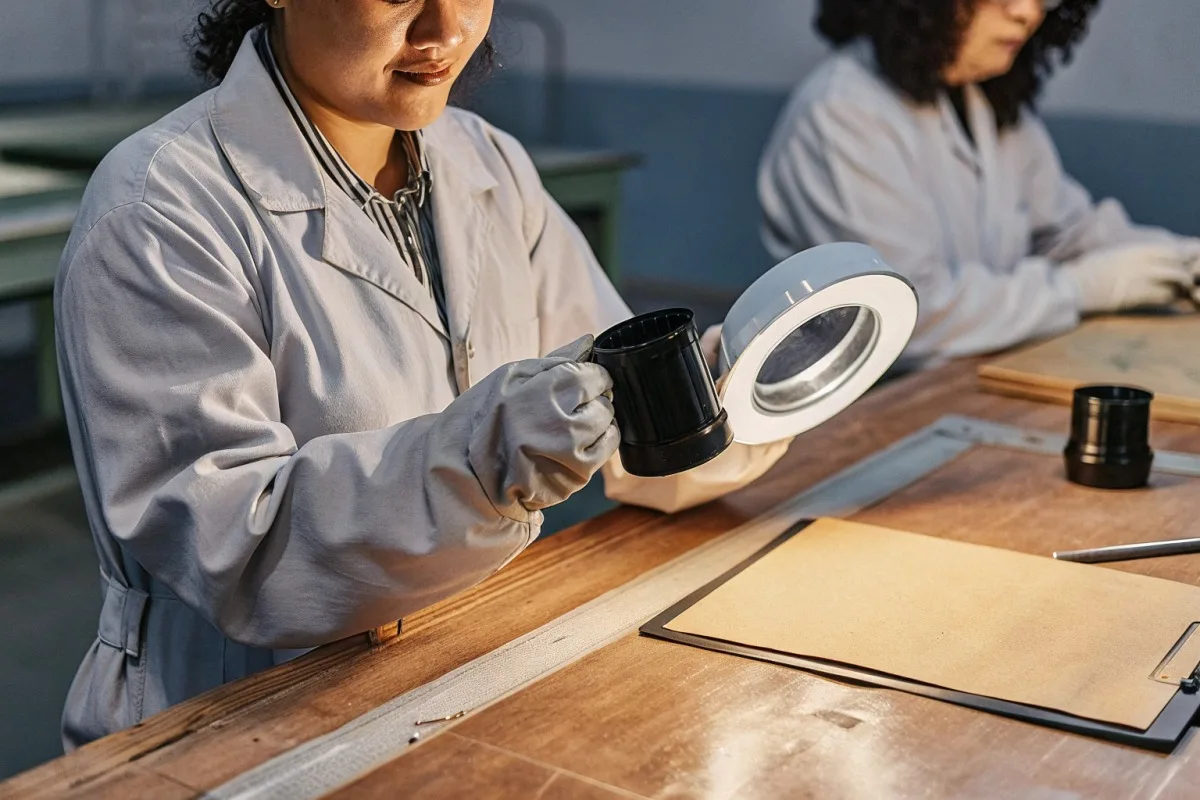
To accurately compare full wrap quotes, request itemized breakdowns covering: base mug cost, printing cost, setup fees, sample charges, packaging, and shipping. Calculate total landed cost per unit including duties and logistics. Request physical samples from top 3 candidates before committing to bulk orders.
Creating a Standardized Quote Request
Send identical specifications to all potential suppliers. This ensures comparable responses. Your quote request should include:
- Exact mug size and capacity
- Base color specification
- Full wrap design file
- Required order quantity
- Packaging requirements
- Delivery destination
- Target delivery date
Vague requests generate vague quotes. Specific requests reveal true pricing differences.
The Total Landed Cost Framework
Per-unit pricing tells only part of the story. Calculate total landed cost 5 using this framework:
| Cost Component | POD Supplier Example | Factory Direct Example | Notes |
|---|---|---|---|
| Base Unit Price | $10.55 | $4.50 | For 12oz mug, 500 units |
| Shipping Per Unit | $2.00 | $0.80 | Sea freight vs. express |
| Import Duties | $0 (domestic) | $0.45-0.90 | 10-20% on Chinese goods |
| Sample Costs Amortized | $0.10 | $0.08 | $50 samples ÷ 500 units |
| Defect/Return Reserve | $0.50 | $0.20 | 5% POD vs. 2% factory |
| Total Landed Cost | $13.15 | $6.03-6.48 | Per unit comparison |
Evaluating Supplier Quality Indicators
Price alone never determines best value. Assess these quality indicators:
Production Capabilities: Request factory certifications. ISO 9001 6 indicates quality management systems. BSCI or Sedex certifications verify ethical production. Food-safe certifications 7 (FDA, EU standards) matter for drinkware.
Sample Quality: Order samples from top 3 candidates. Test dishwasher durability through 50 cycles. Check print adhesion with scratch tests. Verify color accuracy against your design file.
Communication Responsiveness: Note response times during quoting. Suppliers slow during sales typically disappear during production issues. Strong communicators resolve problems faster.
Reference Verification: Request client references in your market. Contact references directly. Ask about on-time delivery rates and defect handling.
Red Flags in Supplier Quotes
Watch for these warning signs:
- Quotes significantly below market rates (quality cuts likely)
- Reluctance to provide samples
- Vague delivery timelines
- No itemized cost breakdown
- Requests for full payment upfront
- No defect policy documentation
Building Long-Term Supplier Relationships
After evaluating quotes and samples, select a primary supplier and backup option. Start with smaller test orders. Successful deliveries justify larger commitments. Negotiate annual volume agreements for better pricing stability.
Our best client relationships began with 200-unit test orders. Trust built through consistent quality. Now these clients order 5000+ units quarterly at our best pricing tiers.
Conclusion
Evaluating full wrap design costs requires analyzing setup fees, volume impacts, design complexity, and systematic quote comparison. Use the frameworks provided to make informed sourcing decisions. Request samples before committing to bulk production.
Footnotes
1. Official information on the Business Social Compliance Initiative (BSCI) for ethical supply chains. ↩︎
2. Defines print-on-demand and lists popular platforms for custom product fulfillment. ↩︎
3. Comprehensive overview of the screen printing process and its applications. ↩︎
4. Replaced with the Wikipedia page on the CMYK color model, a highly authoritative and comprehensive source for technical definitions. ↩︎
5. Defines total landed cost and outlines its key components in supply chain management. ↩︎
6. Official information on the ISO 9001 quality management system standard. ↩︎
7. Replaced with the FDA’s official page on their Accredited Third-Party Certification Program, an authoritative government source for food safety. ↩︎