
When our production team first started receiving complaints about handle discomfort from overseas buyers, we knew something had to change. Customers loved the glossy finishes and custom prints. But they struggled with handles that cramped fingers or transferred too much heat. This problem cost brands returns and bad reviews.
To ensure ergonomic handle design, request prototypes with varied handle shapes and sizes from your supplier. Evaluate grip comfort, finger clearance of 25-30mm from the mug wall, balanced weight distribution, and heat insulation. Test samples with different hand sizes before approving bulk production.
This guide walks you through the essential steps for sourcing custom enamel mugs with handles that feel right. We cover evaluation methods, exact dimensions, quality control checks, and customization options for outdoor and cafe markets.
How can I evaluate the grip comfort of a sample before placing my bulk order?
Many buyers skip thorough sample testing. They check the print quality and color match. Then they approve production. Weeks later, customer complaints flood in about uncomfortable handles. This mistake is preventable.
To evaluate grip comfort, hold the sample with both hands in different positions. Check if two fingers fit comfortably in the handle loop without touching the hot mug body. Pour water to test balance and stability. Have people with various hand sizes test the same sample to identify fit issues.

The Five-Point Comfort Test
Our quality team developed a simple testing method. We call it the five-point comfort test. It catches problems before they reach your customers.
First, check the finger clearance 1. Insert two fingers into the handle. There should be 25-30mm of space between your fingers and the mug wall. Less space means burns. More space means unstable grip.
Second, test the pressure points. Hold the mug for 60 seconds. Notice where pressure builds. Good handles spread force evenly. Bad handles create hot spots on your fingers.
Third, examine the edge finish. Run your fingers along the handle edges. They should be smooth and rounded. Sharp edges cause discomfort during extended use.
Fourth, test the balance. Fill the mug with water. Lift it by the handle only. Does it tip forward or backward? A well-designed handle keeps the mug level.
Fifth, check the lifting angle. Pick up the mug from a table surface. Your hand should have about 60mm clearance underneath. This makes lifting natural and strain-free.
Sample Testing Checklist
| Test Area | What to Check | Pass Criteria |
|---|---|---|
| Finger Clearance | Space between fingers and mug wall | 25-30mm minimum |
| Pressure Distribution | Even grip force across fingers | No single pressure point |
| Edge Smoothness | Handle edges and attachment points | No sharp or rough areas |
| Balance When Full | Mug stability with liquid | Stays level, no tipping |
| Lift Clearance | Space under handle on flat surface | 60mm minimum |
Testing With Multiple Users
In our experience shipping to the US and Germany, we learned that one person's comfort test is not enough. Hand sizes vary widely. A handle that works for small hands may cramp larger ones.
We now recommend testing samples with at least three people. Include someone with small hands, average hands, and large hands. Ask each person to rate comfort on a scale of 1-5. If anyone scores below 3, request design modifications.
Also test with wet hands. This simulates real cafe and outdoor conditions. A good handle maintains grip security even when slightly damp.
What specific handle dimensions should I provide to ensure my custom design is ergonomic?
Vague specifications lead to vague results. When buyers tell us "make the handle comfortable," we have nothing concrete to work with. Precise dimensions prevent misunderstandings and revisions.
Provide these key dimensions: handle width of 12-15mm, thickness of 8-10mm, inner loop height of 35-45mm for two fingers, and 25-30mm clearance from mug wall. Include handle attachment angle requirements and specify if the top should be flush with the rim or positioned lower.
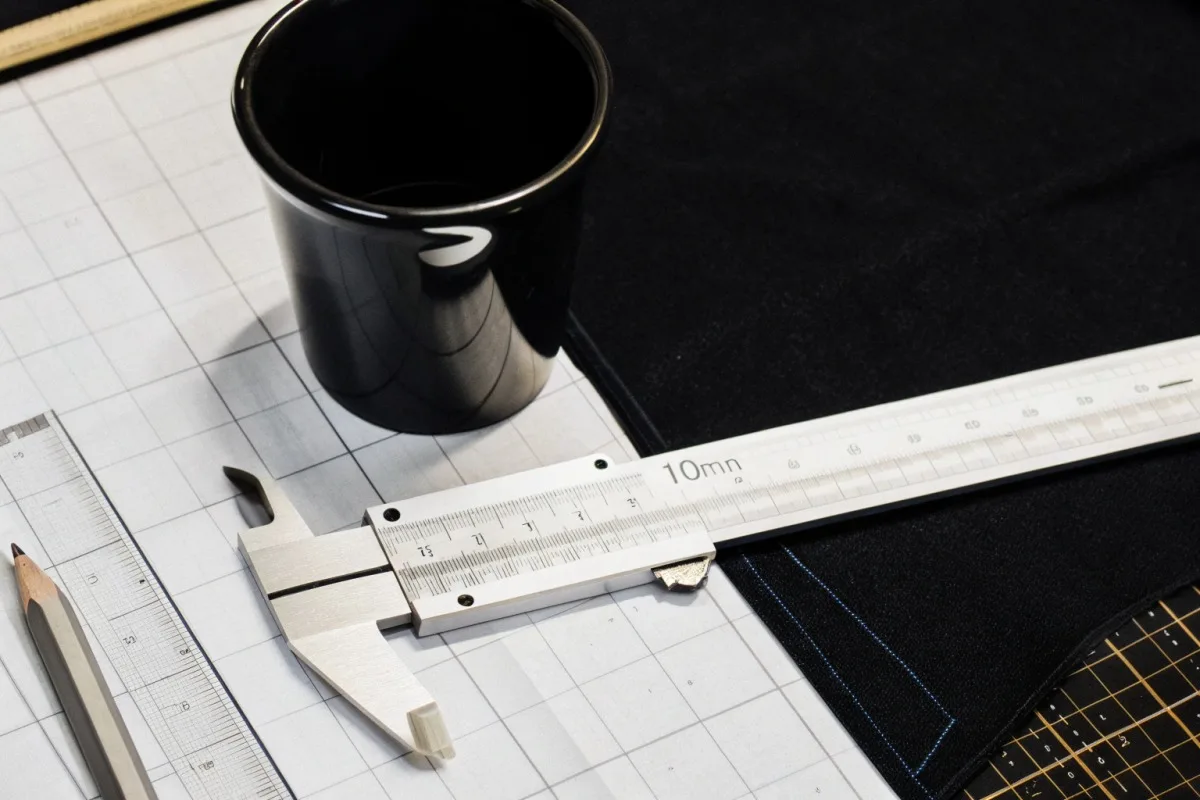
Critical Handle Measurements
Every handle has six critical measurements. Understanding each one helps you communicate clearly with your supplier.
Inner loop width determines how many fingers fit. For most adult users, 35-45mm allows two fingers comfortably. Some outdoor mugs need 50-55mm for three fingers or gloved hands.
Handle bar width affects pressure distribution. Wider bars spread force over more skin area. We recommend 12-15mm width. Narrower bars concentrate pressure uncomfortably.
Handle bar thickness influences grip security. Thin bars feel more natural in hand. Thick bars force your fingers to spread wider. Aim for 8-10mm thickness.
Wall clearance prevents burns. This is the gap between your fingers and the hot mug body. Never accept less than 25mm. We typically produce at 28-30mm for extra safety margin.
Attachment points determine durability. The handle connects to the mug body at two spots. Wider attachment points mean stronger bonds. But they also affect the handle angle.
Dimension Specification Table
| Dimension | Minimum | Recommended | Maximum | Purpose |
|---|---|---|---|---|
| Inner Loop Width | 30mm | 35-45mm | 55mm | Finger accommodation |
| Handle Bar Width | 10mm | 12-15mm | 18mm | Pressure distribution |
| Handle Bar Thickness | 6mm | 8-10mm | 12mm | Grip comfort 2 |
| Wall Clearance | 25mm | 28-30mm | 35mm | Burn prevention |
| Inner Loop Height | 30mm | 35-45mm | 50mm | Finger space |
Handle Shape Specifications
Beyond dimensions, you should specify shape. Different shapes suit different markets.
C-shaped handles work best for classic designs. They follow natural finger curves. Most of our cafe clients prefer this style.
D-shaped handles offer more second-finger support. They feel slightly more secure. Our outdoor clients often choose this option.
Question-mark handles curve toward the mug body. They support the third finger well. These suit mugs with heavier walls.
Flat-top handles sit flush with the rim. They create a modern look. The thumb rests naturally on top. This design requires precise manufacturing.
When sending specifications to your supplier, include a reference image. Draw the shape you want. Mark key dimensions clearly. This prevents interpretation errors.
How do I verify that the handle attachment meets my brand's strict quality control standards?
Handle attachment failure is a serious liability. A broken handle means hot liquid spilled on customers. This damages your brand reputation. It can also lead to legal problems.
Verify handle attachment by requesting pull-test results showing minimum 15kg resistance. Inspect weld points for complete enamel coverage without gaps or bubbles. Check that attachment angles match specifications within 2-degree tolerance. Require batch-by-batch testing reports for production runs.

Understanding Attachment Methods
Our production line uses spot welding 3 for handle attachment. This is the industry standard for enamel mugs. The steel handle gets welded to the steel mug body. Then both receive enamel coating 4 together.
The weld must penetrate properly. Shallow welds fail under stress. Deep welds create visible bumps. Our engineers calibrate welding machines daily to maintain consistency.
After welding, the enamel coating must cover all attachment points. Any exposed metal will rust. Rust weakens the bond. It also looks unprofessional.
Quality Control Testing Methods
| Test Type | Method | Pass Standard | Frequency |
|---|---|---|---|
| Pull Test 5 | Vertical force on handle | 15kg minimum resistance | Every batch |
| Visual Inspection | Magnified examination of welds | No gaps, cracks, or bubbles | 100% of units |
| Thermal Cycle Test | Heat/cool 50 cycles | No cracking or separation | Sample per batch |
| Drop Test | 1-meter drop onto concrete | Handle remains attached | Sample per batch |
| Coating Adhesion | Cross-cut tape pull test | No enamel lifting at attachment | Sample per batch |
Setting Up Your QC Protocol
Work with your supplier to establish clear QC requirements. Put these in your purchase agreement.
Specify acceptable quality limits. For handle attachment, we recommend zero tolerance. Any handle that shows weakness gets rejected.
Request testing certificates. Each batch should have documented pull-test results. Keep these records for liability protection.
Consider third-party inspection. For large orders, hire an independent inspector. They verify that testing actually happens.
Define rework procedures. What happens when units fail? Our factory reworks minor defects. We scrap units with handle issues. Reworked handles are never reliable.
Set up first-article approval. Before bulk production starts, approve sample units. This catches specification misunderstandings early.
Common Attachment Defects to Watch
Cold welds look normal but have poor penetration. They fail under moderate stress. Require your supplier to use calibrated equipment.
Enamel holidays are tiny uncoated spots. They appear at stress points. They lead to rust and eventual failure.
Angle drift happens during production. The first units match spec. Later units shift slightly. Random sampling catches this problem.
Attachment point cracking develops from thermal stress. Rapid heating and cooling causes it. Proper annealing prevents it.
Can I customize the handle shape to better suit the specific needs of my outdoor and cafe customers?
Standard handles work for most applications. But specialized markets have unique requirements. Outdoor users need glove compatibility 6. Cafe customers want elegant proportions. Customization sets your brand apart.
Yes, you can customize handle shapes for specific markets. Outdoor mugs benefit from larger loops (50-55mm) for gloved hands and textured surfaces for wet grip. Cafe mugs work better with refined C-shapes, flush-rim designs, and proportions that balance with smaller serving sizes.

Outdoor Market Requirements
Our outdoor clients in Australia taught us important lessons. Their customers use mugs in challenging conditions. Standard handles often fail them.
Glove compatibility matters most. Winter users wear thick gloves. Summer users wear work gloves. Both need larger handle loops. We recommend 50-55mm inner width for outdoor lines.
Grip security in wet conditions is critical. Rain, dew, and condensation make handles slippery. Textured surfaces or matte finishes improve grip. We can add subtle ridges without affecting aesthetics.
Durability under stress affects outdoor use. Mugs get dropped, bumped, and packed tightly. Thicker handle bars resist bending. Wider attachment points survive impacts better.
Cafe Market Requirements
Cafe customers have different priorities. Elegance matters. The mug becomes part of the dining experience.
Proportional design creates visual appeal. A bulky handle on a delicate cup looks wrong. Handle dimensions should scale with mug size. Our design team can recommend ratios.
Comfort during extended use supports the cafe environment. Customers sit and sip slowly. Handles must remain comfortable for 20-30 minutes of holding. Pressure point elimination becomes more important.
Heat management protects untrained users. Cafe staff know to be careful. Customers don't. Handles must stay cool even with fresh espresso.
Customization Options by Market
| Feature | Outdoor Version | Cafe Version |
|---|---|---|
| Inner Loop Width | 50-55mm | 35-40mm |
| Handle Bar Width | 14-16mm | 12-14mm |
| Surface Finish | Textured/Matte | Smooth/Glossy |
| Attachment Strength | Extra reinforced | Standard |
| Shape Style | D-shape or oversized C | Classic C or flush-rim |
| Color Options | Solid, chip-resistant | White, pastels, custom |
Working With Your Supplier on Custom Designs
Customization requires clear communication. Start with sketches. Even rough drawings help.
Explain the end use. Tell your supplier who uses the mug and how. This context guides their recommendations.
Request 3D renders before prototypes. Digital models catch proportion problems early. They cost less than physical samples.
Order multiple prototype variations. Get three or four handle options. Test them all. The extra cost prevents expensive mistakes.
Plan for minimum order quantities. Custom handles may require new tooling. This affects pricing and MOQ. Ask about these impacts early.
Consider hybrid approaches. You can use standard mug bodies with custom handles. This reduces tooling costs while achieving differentiation.
Conclusion
Ergonomic handle design 7 directly impacts customer satisfaction and brand reputation. By testing samples thoroughly, providing precise specifications, maintaining strict quality control, and customizing for your target market, you ensure mugs that customers love to hold and use daily.
Footnotes
1. Emphasizes the importance of adequate clearance around handles to prevent finger damage. ↩︎
2. Provides methods and systems for evaluating grip force and comfort in product design. ↩︎
3. Details the process, principles, and applications of spot welding in manufacturing. ↩︎
4. Explains the composition, properties, and application of enamel coating for metal surfaces. ↩︎
5. Describes various standards and methods for conducting pull tests to assess material strength. ↩︎
6. Discusses the importance of glove grip performance for safety and efficiency in various conditions. ↩︎
7. Explains principles of ergonomic design for handles, reducing strain and improving efficiency. ↩︎