
Every week, our production team handles questions about what counts as “defective.” Some buyers accept tiny specks. Others reject mugs for barely visible scratches. Without clear standards, disputes pile up fast.
To define defective product standards in custom enamel mug contracts, you must specify measurable parameters for coating flaws, structural defects, and print quality. Include food safety certifications, AQL levels, and categorize defects into critical, major, and minor groups with clear rejection thresholds and return procedures.
This guide walks you through every clause you need food safety certifications 1. We cover coating tolerances, AQL benchmarks, defect categories, and return procedures. By the end, you will know exactly how to protect your brand.
How do I define acceptable versus unacceptable enamel coating flaws in my contract?
When we fire enamel at 850°C in our kilns, minor variations happen naturally. The challenge is drawing a line between authentic character and genuine defects.
Define acceptable coating flaws by setting specific size limits, location rules, and quantity thresholds. For example, allow specks under 1mm on the body but reject any chips larger than 2mm or flaws on the rim. Use a golden sample as your visual benchmark for all inspections.
Understanding Enamel's Natural Character
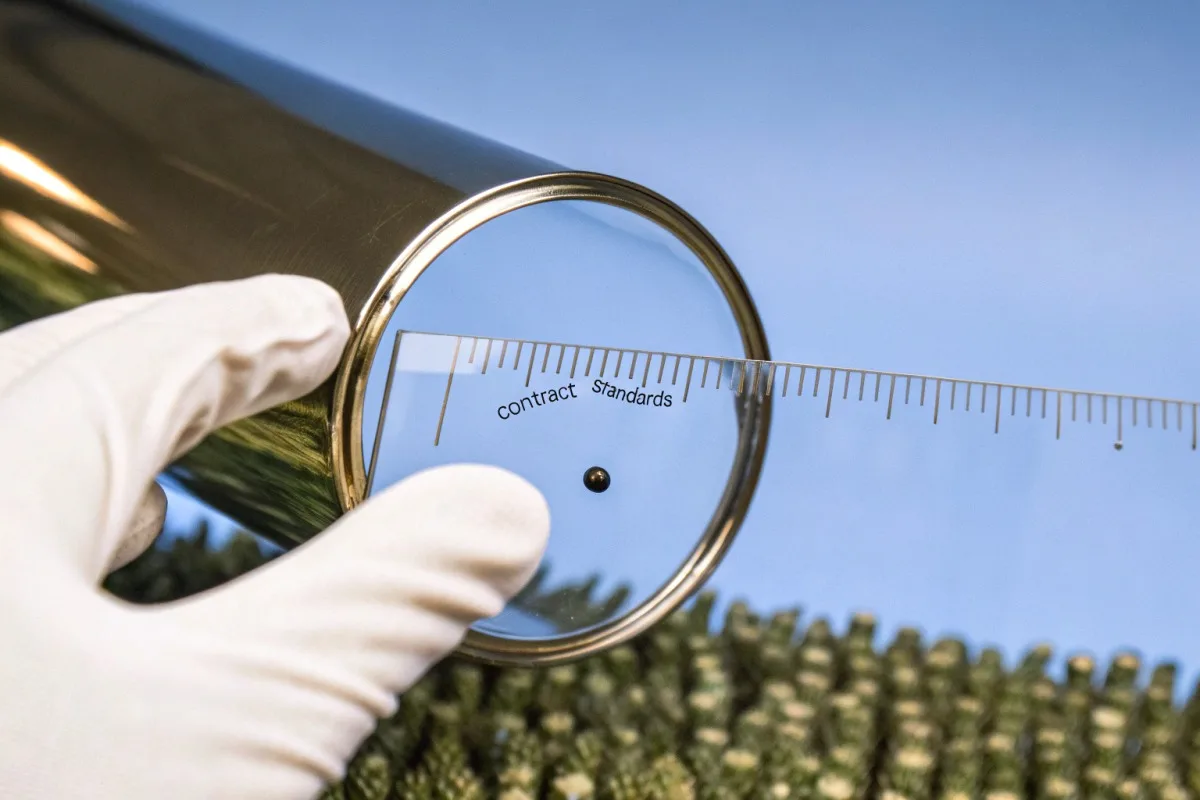
Enamel mugs are not ceramic. The firing process creates unique characteristics. Our quality control team sees tiny lumps, slight color variations, and small bubbles daily. These happen because enamel fuses to metal 2 at extreme heat. The key is deciding which flaws harm function or appearance.
Buyers often ask us: "Is this normal?" The answer depends on your market. Rustic outdoor brands welcome minor imperfections. They call it "authentic charm." Premium gift brands want near-perfect surfaces. Your contract must reflect your market position.
Creating a Coating Flaw Matrix
A clear matrix prevents arguments. Here is an example we use with our clients:
| Flaw Type | Acceptable | Borderline | Reject |
|---|---|---|---|
| Specks/Bubbles | Under 1mm, max 3 per mug | 1-2mm, max 2 per mug | Over 2mm or more than 3 |
| Color Variation | Within 5% of Pantone | 5-10% variation | Over 10% variation |
| Coating Thickness | 0.3-0.5mm even coverage | Minor thin spots not visible | Bare metal showing |
| Surface Texture | Smooth with light orange peel | Noticeable texture variation | Rough or gritty feel |
Location-Based Standards
Where a flaw appears matters. Our experience shows that rim defects cause the most complaints. Customers touch and drink from the rim. A small chip there feels uncomfortable. Body defects matter less for function but hurt visual appeal.
We recommend these location rules:
- Rim area: Zero tolerance for chips or bare metal
- Upper body: Strict standards since this is most visible
- Lower body: Slightly relaxed standards
- Bottom: Accept minor imperfections not visible during use
The Golden Sample Approach
Words alone cause confusion. A physical golden sample solves this. Before mass production, approve one mug that represents your minimum standard. Ship one sample to your office. Keep one at the factory. All inspections compare against this reference.
Our clients find this method reduces disputes by over 50%. When questions arise, both parties check the golden sample. It removes subjective interpretation.
What AQL standards should I set to ensure my custom mugs meet high-end quality requirements?
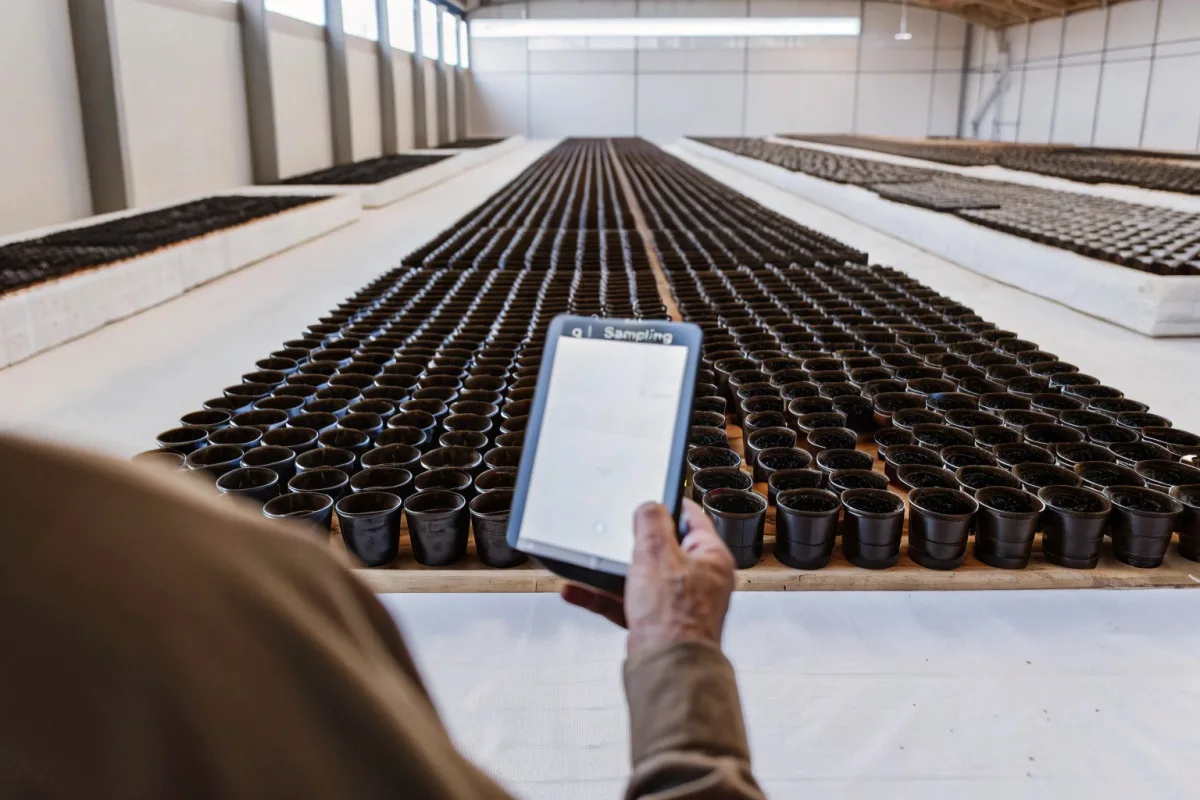
In our factory, we run AQL inspections at three stages. The right AQL level depends on your defect tolerance and order size.
For high-end custom enamel mugs, set AQL at 1.0 for critical defects, 2.5 for major defects, and 4.0 for minor defects. Use ISO 2859-1 sampling tables. Inspect at pre-production, during production, and before shipment to catch problems early.
What AQL Actually Means
AQL stands for Acceptable Quality Limit 3. It does not mean you accept defects. It sets the maximum defect rate you tolerate in a batch. An AQL of 2.5 means if defects exceed 2.5%, you can reject the entire shipment.
Many buyers misunderstand AQL. They think AQL 0 means zero defects. This is wrong. Even AQL 0.1 allows some defects in small samples. The system uses statistics to balance inspection cost against quality assurance.
Recommended AQL Levels for Enamel Mugs
Based on hundreds of orders we process, here are effective AQL standards:
| Defect Category | Definition | Recommended AQL | Example Defects |
|---|---|---|---|
| Critical | Poses safety risk | 0 – 0.65 | Lead in glaze, sharp edges, cracks |
| Major | Affects function or appearance significantly | 1.5 – 2.5 | Large chips, missing coating, wrong color |
| Minor | Small imperfections | 4.0 – 6.5 | Tiny specks, slight color shift, small scratches |
For high-end brands, tighten these numbers. Use AQL 1.0 for major and 2.5 for minor defects. This costs more in inspection time. But it protects your brand reputation.
Sample Size and Inspection Frequency
Your order size determines sample size. The ISO 2859-1 standard 4 provides tables. Here is a simplified guide:
| Order Size | Sample Size (Normal) | Accept/Reject at AQL 2.5 |
|---|---|---|
| 151-280 pcs | 32 pcs | Accept ≤2, Reject ≥3 |
| 281-500 pcs | 50 pcs | Accept ≤3, Reject ≥4 |
| 501-1200 pcs | 80 pcs | Accept ≤5, Reject ≥6 |
| 1201-3200 pcs | 125 pcs | Accept ≤7, Reject ≥8 |
Three-Stage Inspection Protocol
We recommend inspections at three points:
Pre-production: Check raw materials. Verify metal thickness at 0.5mm. Confirm enamel powder matches approved color. Review printing files. This catches problems before they multiply.
During production: After the first 20% is complete, pull samples. Check coating adhesion, print alignment, and color accuracy. Finding issues now allows corrections without scrapping the entire batch.
Pre-shipment: Final inspection before packing. This is your last defense. Check everything including packaging, labeling, and carton quality.
How can I clearly categorize major and minor defects to avoid disputes with my supplier?
Our quality managers spend hours discussing defect classifications with clients. Clear categories in your contract prevent these time-consuming debates.
Categorize enamel mug defects into three tiers: critical defects that affect safety, major defects that impact function or appearance significantly, and minor defects that are small imperfections. Provide specific examples with measurements for each category to eliminate subjective interpretation.

Critical Defects: Zero Tolerance
Critical defects 5 pose health or safety risks. Your contract must list these clearly. No negotiation. Any mug with critical defects gets rejected.
Examples include:
- Lead or cadmium above FDA limits
- Sharp edges on rim or handle
- Cracks that could leak or break
- Loose handles that could detach
- Failed food contact safety tests
These defects require 100% rejection. Set AQL at 0. Include a clause allowing batch rejection if even one critical defect appears in inspection samples.
Major Defects: Function and First Impression
Major defects do not pose safety risks. But they significantly reduce the product value. Customers notice these immediately.
Common major defects in enamel mugs:
- Chips larger than 2mm
- Missing or flaking enamel coating
- Wrong color (over 10% deviation from Pantone)
- Misaligned or blurry printing
- Dents deeper than 1mm
- Handle attached at wrong angle
- Capacity deviation over 5%
For high-end products, expand this list. Some buyers classify any visible defect in the "hero zone" (front 120° of the mug) as major.
Minor Defects: Acceptable Imperfections
Minor defects are small flaws that most customers would not notice or complain about. They do not affect function.
Examples include:
- Specks under 1mm
- Light scratches not felt by fingernail
- Slight color variation within tolerance
- Minor orange peel texture
- Small bubbles under 0.5mm
- Bottom surface irregularities
Your contract should specify acceptable quantities. For example: "Maximum 3 minor defects per mug, none in the hero zone."
Building Your Defect Classification Table
Here is a template we share with clients:
| Defect Type | Critical | Major | Minor |
|---|---|---|---|
| Chips | Exposes sharp metal | Over 2mm | Under 2mm, max 2 per mug |
| Color | Contains banned substances | Over 10% deviation | 5-10% deviation |
| Illegible safety warnings | Blurry, misaligned | Slight ink density variation | |
| Coating | Fails leach test | Bare spots visible | Thin spots not visible |
| Structure | Cracks, loose parts | Dents over 1mm | Light surface scratches |
| Capacity | N/A | Over ±5% | ±3-5% |
This table becomes part of your contract. Both parties sign it. When disputes arise, check the table. The answer is clear.
What specific clauses do I need for handling returns if the batch doesn't meet my quality criteria?
When shipments fail inspection, what happens next? Our contracts include detailed procedures. This protects both parties and speeds up resolution.
Include clauses covering inspection rights, rejection procedures, remedy options, cost allocation, and dispute resolution timelines. Specify whether failed batches get reworked, replaced, or refunded. Define who pays return shipping and set deadlines for all actions to prevent endless delays.
Inspection Rights and Notification
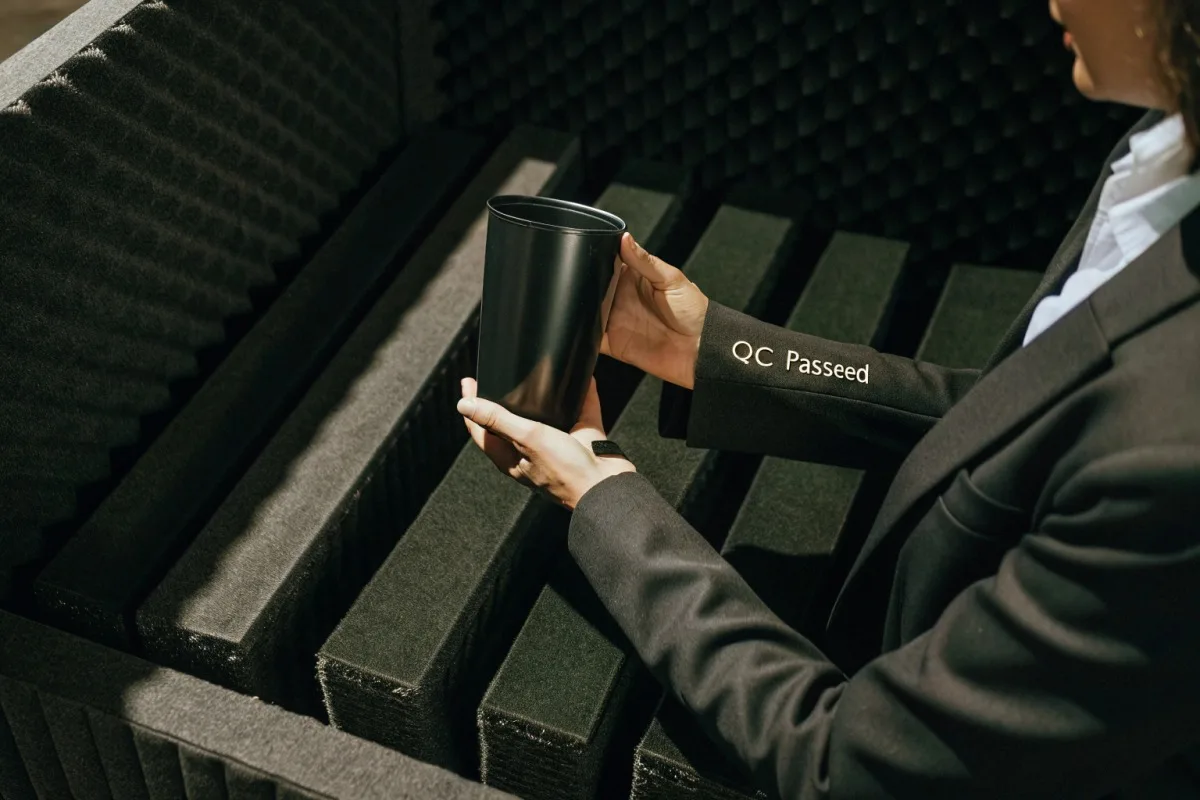
Your contract must grant clear inspection rights. Specify:
- You can inspect at the factory before shipment
- You can use third-party inspectors
- Inspection results are binding if conducted per agreed protocols
- Notification deadline: 7-14 days after receiving goods
Without a notification deadline, disputes drag on. Set reasonable but firm timeframes. We recommend 14 days for domestic buyers. Allow 21 days for international shipments to account for customs delays.
Remedy Options Hierarchy
Not all defects need the same solution. Create a hierarchy:
Option 1: Rework
For minor issues like missing labels or fixable coating flaws, rework is fastest. The supplier fixes problems. You re-inspect. Specify who pays rework costs. Typically, the supplier covers costs if defects exceed agreed AQL.
Option 2: Partial Rejection
Sometimes only part of the batch fails. Your contract should allow partial acceptance. For example: accept 800 of 1000 mugs, reject 200. Specify replacement timeline for rejected units.
Option 3: Full Replacement
When defect rates are severe, demand full replacement. Set thresholds. We use this rule: if over 15% of samples fail, buyer can reject the entire batch. Supplier must replace within agreed timeline.
Option 4: Refund
The final option. If replacement is not practical, demand refund. Your contract should specify refund timeline and whether it covers shipping costs paid.
Cost Allocation Framework
Money causes most disputes. Be specific about costs:
| Scenario | Inspection Cost | Return Shipping | Replacement Shipping |
|---|---|---|---|
| Defects exceed AQL | Supplier | Supplier | Supplier |
| Defects within AQL, buyer rejects | Buyer | Buyer | N/A |
| Disputed results | Split 50/50 | Hold pending resolution | Hold pending resolution |
| Third-party arbitration | Losing party | Losing party | Losing party |
Dispute Resolution Timeline
Open-ended disputes hurt both parties. Set firm deadlines:
- Initial response: Supplier must respond to quality complaints within 3 business days
- Investigation: Complete internal investigation within 7 days
- Proposed remedy: Offer solution within 10 days
- Buyer decision: Accept or counter-propose within 5 days
- Escalation: If unresolved in 30 days, trigger third-party arbitration
Include a clause naming the arbitration body. Many of our clients use CIETAC 6 (China International Economic and Trade Arbitration Commission) or specify arbitration in Hong Kong for neutrality.
Documentation Requirements
Good records prevent disputes. Your contract should require:
- Photographic evidence of all defects
- Inspection reports with specific measurements
- Sample retention (keep 5 samples from each batch for 90 days)
- Written communication trail for all claims
We keep photos of every failed inspection. When buyers question our rejection decisions, we share evidence. This transparency builds trust.
Conclusion
Clear defect standards protect your brand and strengthen supplier relationships. Define coating tolerances, set appropriate AQL levels 7, categorize defects precisely, and establish fair return procedures. Your contract becomes a partnership tool, not just a legal document.
Footnotes
1. Provides an overview of important food safety certifications and standards. ↩︎
2. Describes the enameling process where powdered glass is fused to a metal substrate at high heat. ↩︎
3. Defines Acceptable Quality Limit (AQL) and its application in quality control inspections. ↩︎
4. Official information about the ISO 2859-1 standard for sampling procedures by attributes. ↩︎
5. Explains the classification of critical, major, and minor defects in manufacturing quality control. ↩︎
6. Official website of the China International Economic and Trade Arbitration Commission. ↩︎
7. Explains AQL levels, their definition, charts, tables, and examples in quality control. ↩︎