Every week, our production line handles dozens of custom cafe mug orders. One recurring challenge? Clients struggle to pick the right printing method for their brand. The wrong choice leads to faded logos, peeling designs, and disappointed customers.
The best printing method depends on your design complexity, order volume, budget, and durability needs. Ceramic decals fired above 800°C offer maximum durability for high-traffic cafes. Screen printing works well for simple logos in bulk. Sublimation suits full-color designs but fades faster with heavy washing.
Let me walk you through each printing technique. By the end, you will know exactly which method fits your cafe brand. You will also learn how to evaluate suppliers and control costs effectively.
Which printing technique ensures my cafe logo stays durable through high-volume daily use?
Our engineers tested mugs through 1,000 wash cycles last year. The results surprised many clients. Some printing methods failed after just 200 washes. Others looked brand new after the full test. Durability matters when your mugs face daily abuse.
Ceramic decals fired at temperatures above 800°C provide the highest durability for cafe use. The print bonds permanently with the enamel coating. It resists scratches, fading, and chipping. Laser engraving also offers excellent longevity but limits you to monochrome designs.
Understanding the Firing Temperature Factor
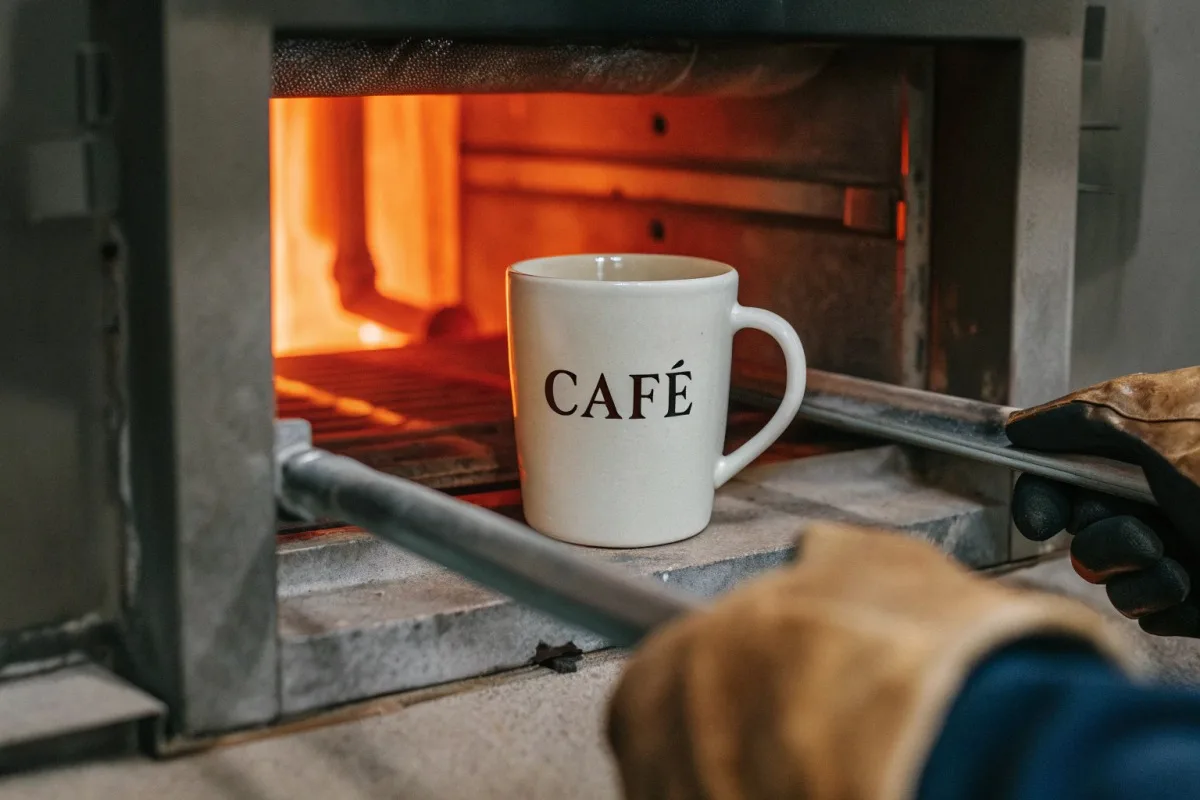
Temperature determines print permanence. Lower temperatures mean surface-level adhesion. Higher temperatures create a chemical bond with the enamel itself.
Sublimation printing 1 uses around 200°C. The ink sits on a polymer coating applied to the mug surface. This coating can wear down over time. Frequent washing accelerates the process.
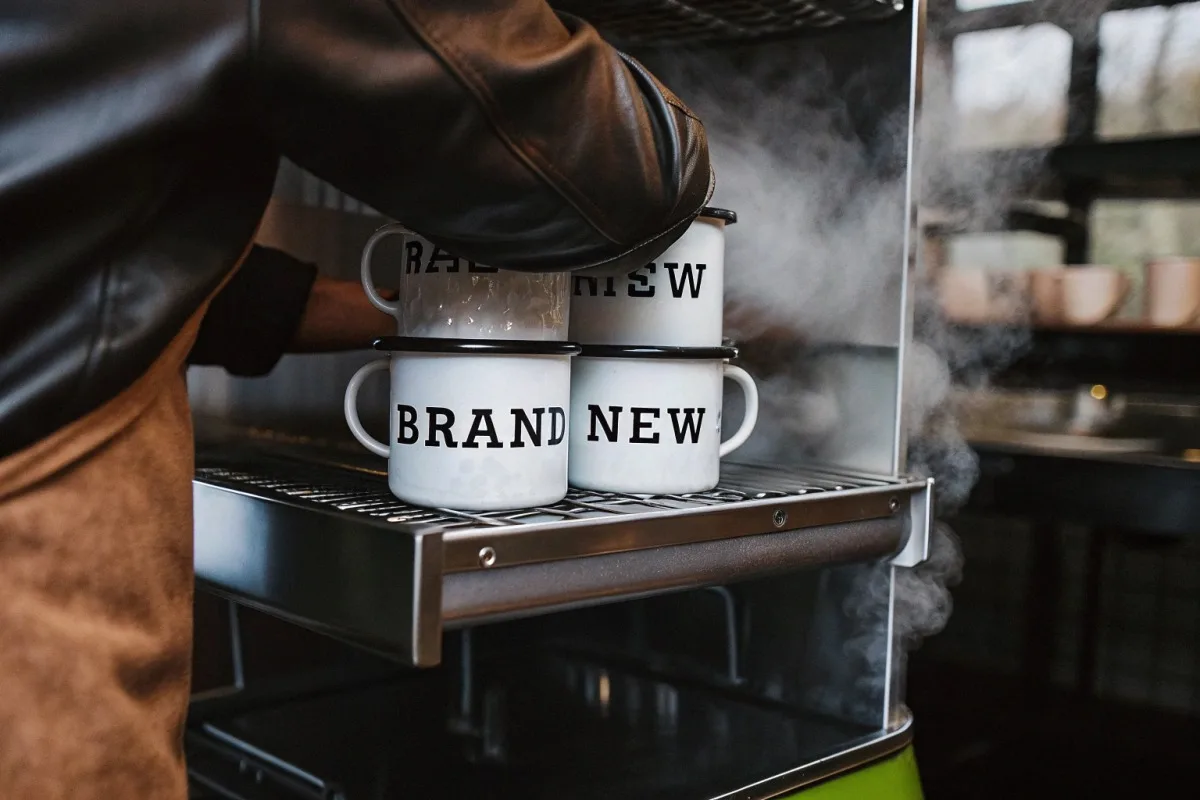
Ceramic decal printing operates differently. We apply decals to the mug surface first. Then we fire them in kilns at temperatures exceeding 800°C. At this heat, the print fuses into the enamel. It becomes one with the mug.
Real-World Performance Comparison
Here is what we observed across different printing methods:
| Printing Method | Firing Temperature | Wash Cycles Before Fading | Scratch Resistance | Campfire Safe |
|---|---|---|---|---|
| Ceramic Decals 2 | 800°C+ | 1,000+ | Excellent | Yes |
| Screen Printing | 180-200°C | 500-800 | Good | Limited |
| Sublimation | 200°C | 200-400 | Fair | No |
| Laser Engraving 3 | N/A | Permanent | Excellent | Yes |
| UV Digital | UV Cure | 100-300 | Poor | No |
Why Cafes Need Maximum Durability
Consider your cafe environment. Mugs get washed multiple times daily. Staff handle them roughly during busy hours. Customers sometimes drop them. Your logo must survive all of this.
We recommend ceramic decals for flagship cafe merchandise. The upfront cost is higher. But you avoid replacement costs and brand embarrassment from faded logos.
For promotional items or seasonal campaigns, sublimation can work. Just set realistic expectations about lifespan.
The Hidden Rust Problem
Some printing methods require special coatings. These coatings can trap moisture near metal rims. Over time, rust develops. This ruins the premium cafe experience you want to create.
Two-coat enamel mugs with fired prints avoid this issue. The enamel protects the steel core completely. No coatings mean no moisture traps.
How do I choose between screen printing and decal printing for my specific design complexity?
When clients send their artwork files, we immediately assess complexity. Some logos translate beautifully to screen printing 4. Others demand decal methods. Making the wrong choice wastes time and money.
Choose screen printing for simple logos with 1-4 solid colors and no gradients. Pick ceramic decals for detailed designs, photographs, or artwork with color gradients. Screen printing costs less for bulk orders but cannot reproduce fine details or smooth color transitions accurately.
Breaking Down Design Complexity
Design complexity has several dimensions. Color count matters. So does gradient presence. Fine line thickness affects reproducibility. Photographic elements need special consideration.
Screen printing pushes ink through mesh stencils. Each color requires a separate screen. More colors mean more screens, more setup time, and higher costs. Gradients become stepped rather than smooth.
Ceramic decals reproduce full-color artwork faithfully. They handle photographic images well. Color gradients appear smooth. Fine text stays readable.
Decision Matrix for Design Types
Use this framework when evaluating your artwork:
| Design Characteristic | Screen Printing | Ceramic Decals | Sublimation |
|---|---|---|---|
| Solid color logo (1-2 colors) | Excellent | Good | Good |
| Multi-color logo (3-4 colors) | Good | Excellent | Excellent |
| Photographic images | Poor | Excellent | Excellent |
| Fine text under 6pt | Poor | Good | Excellent |
| Color gradients | Poor | Excellent | Excellent |
| Wraparound designs | Limited | Good | Excellent |
| Tactile raised effect | Yes | No | No |
The Screen Printing Process Explained
Our screen printing workflow follows specific steps. First, we create film positives from your artwork. Then we expose screens using UV light. The ink gets forced through mesh onto the mug surface. Finally, mugs go through a curing oven.
This process creates a raised texture you can feel. Many cafe owners love this tactile quality. It communicates craftsmanship and premium positioning.
However, screen printing struggles with certain designs. Thin lines blur together. Small text becomes illegible. Color registration can shift slightly between mugs.
When Ceramic Decals Make Sense
Ceramic decals suit complex brand identities. If your cafe logo includes detailed illustrations, choose decals. If you want photographic imagery of coffee beans or landscapes, choose decals.
The process takes longer. We print designs onto special decal paper first. Workers apply decals by hand to each mug. Then mugs enter high-temperature kilns for firing. Labor costs are higher. But the results justify the investment for premium branding.
Hybrid Approaches
Some clients combine methods strategically. They use screen printing for simple everyday mugs. They reserve ceramic decals for limited edition releases. This balances cost control with brand elevation.
How will different printing methods affect my total procurement costs for bulk orders?
Budget conversations happen early in every project. Clients need accurate cost projections before committing. Printing method choice dramatically impacts total procurement expense. Understanding cost drivers helps you optimize spending.
Screen printing offers the lowest per-unit cost for orders above 500 units due to economies of scale. Sublimation and UV printing provide better value for small batches under 100 units because setup costs are minimal. Ceramic decals cost most per unit but deliver premium durability that reduces long-term replacement expenses.
Understanding Setup Costs vs Unit Costs
Two cost components determine total expense. Setup costs occur once per order. Unit costs multiply by quantity.
Screen printing has high setup costs. We must create screens for each color. Film production takes time. Machine calibration requires skilled labor. These costs spread across total units ordered.
For 50 mugs, setup costs dominate. Each unit carries heavy overhead burden. For 1,000 mugs, setup costs become negligible per unit.
Sublimation and UV printing have minimal setup. We load digital files directly into printers. No screens needed. This makes small runs economical.
Cost Breakdown by Order Volume
| Order Quantity | Screen Printing | Sublimation | UV Digital | Ceramic Decals |
|---|---|---|---|---|
| 50 units | $12-15/unit | $8-10/unit | $7-9/unit | $18-22/unit |
| 100 units | $8-10/unit | $7-9/unit | $6-8/unit | $15-18/unit |
| 500 units | $4-6/unit | $6-8/unit | $5-7/unit | $12-15/unit |
| 1,000 units | $3-4/unit | $5-7/unit | $5-6/unit | $10-13/unit |
| 5,000 units | $2-3/unit | $4-6/unit | $4-5/unit | $8-10/unit |
These ranges reflect mid-range quality levels. Premium options cost more. Budget alternatives exist but compromise durability.
Hidden Cost Factors
Unit pricing tells only part of the story. Consider these additional expenses:
Defect rates vary by method. Screen printing typically shows 2-5% defects. Sublimation runs 3-8% due to coating inconsistencies. Fired ceramic decals achieve 1-3% defect rates with experienced suppliers.
Replacement costs accumulate over time. Cheap sublimation mugs that fade after six months require reordering. Durable fired mugs last years. Calculate total cost of ownership, not just initial purchase price.
Shipping weight affects expenses too. All enamel mugs weigh similarly regardless of printing method. This factor remains constant across options.
Strategic Cost Optimization
Smart buyers match printing methods to product tiers. Here is our recommended approach:
Use UV or sublimation printing for promotional giveaways. These mugs serve marketing purposes for limited periods. Lower durability is acceptable.
Choose screen printing for standard retail merchandise. Balance cost efficiency with reasonable durability. Orders above 500 units make sense.
Invest in ceramic decals for flagship products. Premium pricing justifies premium production. Customers pay more for lasting quality.
Negotiating Better Pricing
Volume commitments unlock better rates. Consolidating orders across multiple SKUs helps. Providing print-ready artwork reduces supplier labor. Flexible delivery timelines allow production batching.
We offer tiered pricing to repeat customers. Annual volume agreements guarantee rates. Planning ahead saves money compared to rush orders.
How can I verify that my supplier's printing process meets my brand's strict quality control standards?
Quality failures damage brand reputation irreversibly. One batch of defective mugs reaching customers creates lasting negative impressions. Verification protocols protect your brand investment. Demanding rigorous QC demonstrates professional procurement management. quality control standards 5
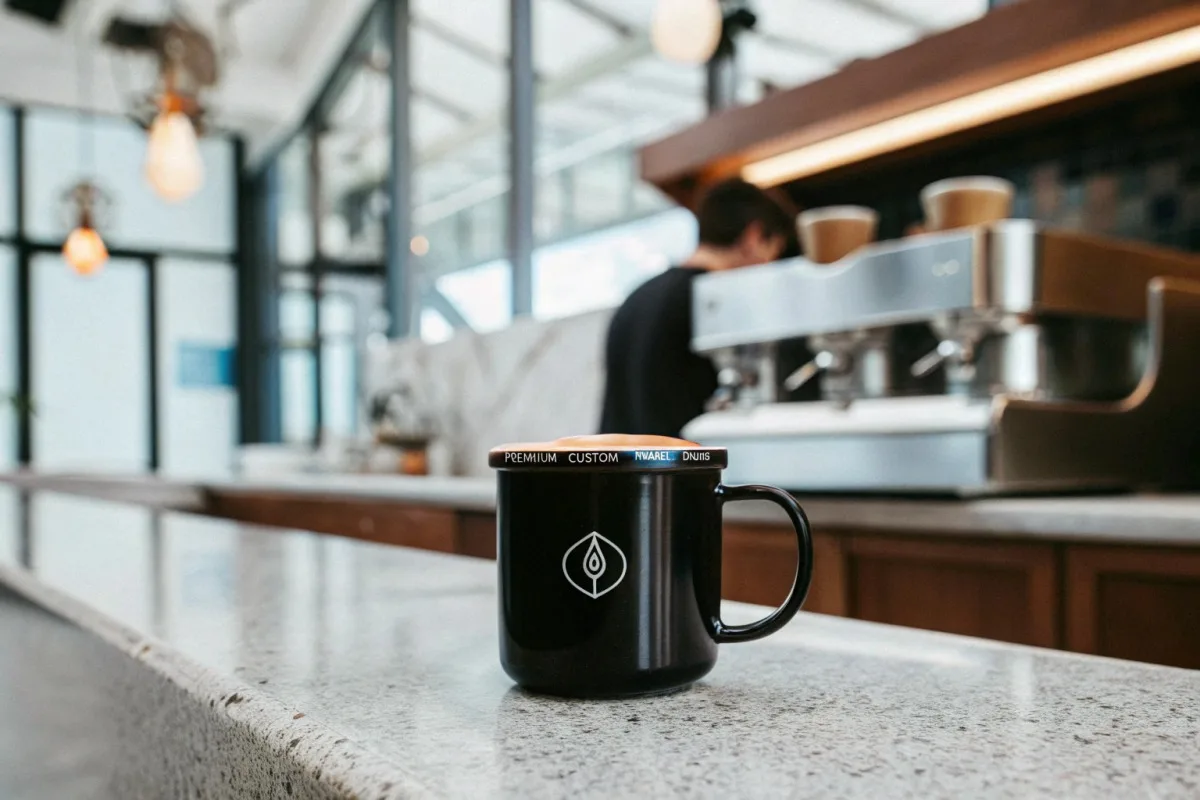
Request physical samples using your actual artwork before production begins. Ask suppliers for detailed process documentation including firing temperatures. Conduct third-party inspections at key production stages. Establish clear acceptance criteria covering color accuracy, print adhesion, and defect tolerances.
The Sample Approval Process
Never skip sampling. We refuse to proceed without client sample approval. This protects both parties.
Request samples using your exact design files. Generic samples show capability but not specific execution. Your logo has unique characteristics. Test those specifically.
Evaluate samples under realistic conditions. Wash them repeatedly. Scrub with abrasive sponges. Heat them with hot liquids. Expose them to sunlight. Simulate actual cafe use.
Key Quality Checkpoints
Establish verification at multiple production stages:
Pre-production: Confirm artwork files, color matching, and material specifications.
During production: Monitor printing consistency across batches. Check firing temperatures 6 reach specified levels.
Post-production: Inspect finished mugs for defects. Verify packaging protects products during shipping.
Creating Acceptance Criteria
Document measurable standards. Vague quality expectations lead to disputes. Specific criteria enable objective evaluation.
Color accuracy: Specify acceptable Delta E variance from Pantone references 7. Typically 2.0 or less for premium work.
Print adhesion: Define scratch test protocols. Fired prints should withstand fingernail scratching without damage.
Visual defects: Establish maximum allowable percentage. Common threshold is 3% for minor defects, 0% for major defects.
Third-Party Inspection Options
Independent inspectors provide unbiased assessment. They verify production matches approved samples. They document defect rates objectively.
Common inspection points include:
Pre-shipment inspection covering 10-15% of total order. Random sampling across production batches. Detailed photographic documentation of findings.
Cost typically runs $200-400 per inspection day. This investment prevents expensive quality failures downstream.
Questions to Ask Potential Suppliers
During supplier evaluation, probe their quality systems:
What firing temperatures do you achieve for ceramic decals? Answers below 800°C indicate potential durability problems.
What defect rate do you guarantee? Reputable suppliers commit to specific percentages.
Can you provide production facility photographs? Legitimate manufacturers welcome transparency.
What happens when defects exceed agreed tolerances? Clear policies demonstrate professionalism.
How do you handle color matching for brand-specific Pantones? Experienced suppliers have calibrated color management systems.
Building Long-Term Quality Partnerships
Quality improves with relationship depth. First orders often need more oversight. Repeat orders benefit from established understanding.
Share feedback constructively. When issues arise, communicate specifics. Good suppliers appreciate improvement opportunities.
Visit production facilities when possible. In-person relationships build trust. You understand capabilities better after seeing operations directly.
Document everything. Maintain records of specifications, samples, and inspection results. This history informs future decisions.
Conclusion
Choosing the right printing method requires balancing durability, design complexity, cost, and quality control. Match your selection to specific product purposes. Invest in samples and verification before committing to bulk production.
Footnotes
1. Details the process, benefits, and applications of sublimation printing. ↩︎
2. Explains what ceramic decals are and their application process. ↩︎
3. Explains the process and mechanisms of laser engraving. ↩︎
4. Provides a comprehensive overview of the screen printing technique. ↩︎
5. Replaced HTTP 403 link with an authoritative source (ISO) detailing ISO 9001 quality management systems, which are key quality control standards in manufacturing. ↩︎
6. Replaced HTTP 404 link with a relevant page discussing ceramic decal firing temperatures, specifically mentioning 800°C, which aligns with the article’s context. ↩︎
7. Describes the Pantone Matching System for consistent color reproduction. ↩︎