
Last quarter, a major client called us in panic. Their primary enamel mug supplier had shut down without warning. Orders worth thousands sat in limbo. Production delays cost them seasonal sales and damaged customer trust. This scenario plays out more often than you think.
To build a backup supplier plan for custom enamel mugs, identify and qualify at least two secondary factories, conduct small test orders regularly, establish pre-negotiated contracts, and maintain an 80/20 volume split between primary and backup suppliers to ensure seamless transitions during disruptions.
Supply chain risks 1 are real. Tariffs, shipping delays, and factory closures can strike anytime. Let me walk you through the exact steps we recommend to our clients for building a solid backup plan.
Why do I need a secondary supplier to protect my enamel mug supply chain from delays?
When we ship containers to the US and Europe, delays happen more than clients expect. A single supplier means a single point of failure. One problem can halt your entire business.
You need a secondary supplier because custom enamel mugs have long lead times, specialized production requirements, and are vulnerable to regional disruptions. A backup ensures continuous supply when your primary factory faces capacity issues, quality problems, or unforeseen shutdowns.
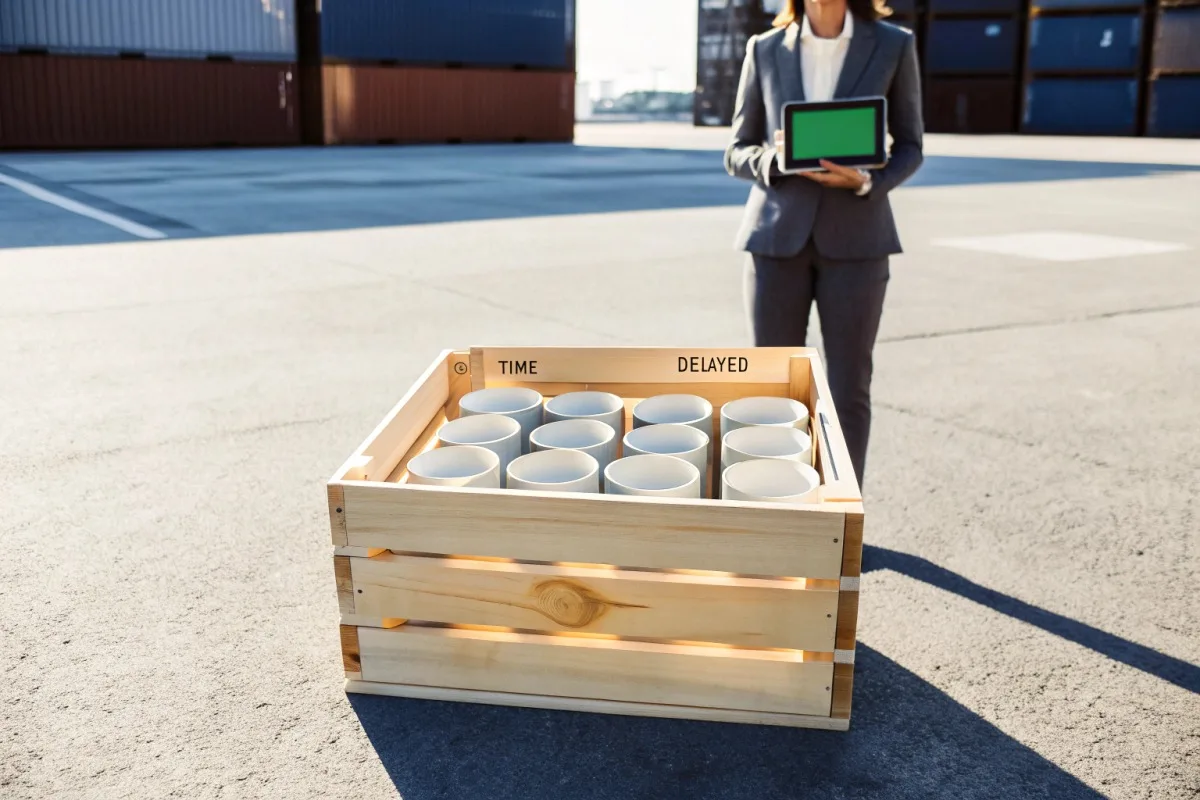
Understanding the Real Risks
Custom enamel mugs face unique supply chain challenges. The enamel coating process requires specific materials and skilled workers. Metal blanks come from limited sources. When one link breaks, everything stops.
Common risks include material shortages for enamel coatings, factory disruptions in key manufacturing regions like China, shipping delays from congested ports, quality inconsistencies in custom printing, and geopolitical factors like tariffs. In 2026, tariff tensions continue to create uncertainty for importers.
The Cost of No Backup
Without a pre-vetted backup, finding a new supplier takes weeks or months. During that time, you lose revenue and customer trust. Your competitors with backup plans keep selling while you scramble.
| Risk Type | Impact Without Backup | Impact With Backup |
|---|---|---|
| Factory Shutdown | 100% production halt | Switch within days |
| Quality Failure | Weeks of rework delays | Immediate alternative |
| Shipping Disruption | 4-8 week delays | Regional backup ships faster |
| Capacity Overload | Missed deadlines | Split orders easily |
| Tariff Changes | Price spikes | Diversified sourcing options |
Single vs. Dual Sourcing Debate
Some buyers prefer single sourcing for simplicity. They argue it builds stronger relationships and secures better bulk pricing. This works for stable, low-risk products.
Custom enamel mugs are different. Long lead times, specialized equipment, and custom branding make them high-risk items. A factory problem means you cannot simply walk to another vendor and place an order. The qualification process alone takes time.
Dual sourcing 2 critics point to higher management effort and potential quality variance. These concerns are valid. However, the cost of a complete supply stoppage far outweighs the management overhead. For mid-sized firms in consumer goods, 60-70% now adopt dual sourcing as standard practice.
How can I evaluate a backup factory's QC process to match my current quality standards?
In our production facility, we see quality vary widely between factories. A backup supplier must match your standards exactly. Otherwise, your customers notice the difference immediately.
Evaluate a backup factory's QC process by requesting their quality manual, conducting facility audits, reviewing their certifications like ISO 9001 and LFGB, testing samples against your specifications, and running small audit orders to verify real-world performance matches documented procedures.
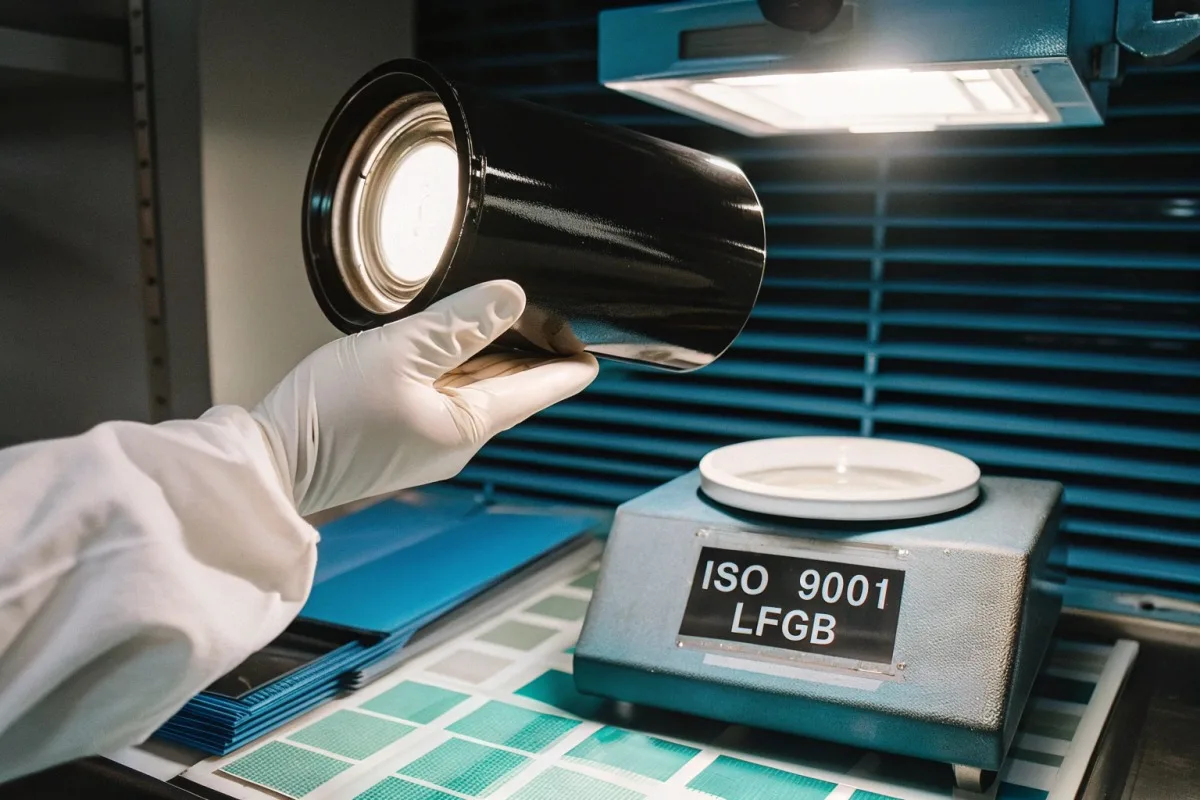
Key Quality Checkpoints for Enamel Mugs
Enamel mugs require specific quality tests. The coating must be food-safe and durable. Colors must match Pantone specifications exactly. Handles must withstand daily use.
When we onboard new clients, we walk them through our QC stations. Your backup supplier should demonstrate similar rigor. Ask them to explain each checkpoint in their process.
Certification Requirements
Certifications matter for custom enamel mugs. They prove the factory meets international standards. Key certifications to verify include:
| Certification | What It Covers | Why It Matters |
|---|---|---|
| FDA | Food contact safety (US) | Required for US market |
| LFGB 3 | Food safety (Germany) | EU market access |
| REACH 4 | Chemical safety (EU) | Compliance requirement |
| ISO 9001:2015 5 | Quality management | Process consistency |
| BSCI/Sedex | Social compliance | Ethical sourcing proof |
Running Qualification Tests
Never commit to a backup without testing. Order 100-200 units first. Use the same specifications as your primary supplier. Compare results side by side.
Check these specifics: enamel thickness consistency, color accuracy against Pantone standards, rim smoothness, handle attachment strength, and print durability after washing. Document everything. Create a scorecard for easy comparison.
Virtual factory tours help but cannot replace physical samples. Request video calls showing their production line. Ask to see their defect handling process. A good factory welcomes transparency.
Building Your Quality Scorecard
Create a standardized evaluation form. Rate each supplier on the same criteria. This removes emotion from decisions and provides clear data.
Score categories should include communication responsiveness, sample quality, lead time accuracy, packaging quality, documentation completeness, and flexibility on MOQs. Update scores quarterly based on real performance.
What is the best way for me to split order volumes without increasing my procurement costs?
Our clients often worry that dual sourcing doubles their costs. It does not have to. Smart volume splits keep backups active without breaking your budget.
The best way to split order volumes is using an 80/20 or 70/30 ratio between your primary and backup suppliers. This maintains your bulk pricing with the primary while keeping the backup active and familiar with your specifications through regular small orders.
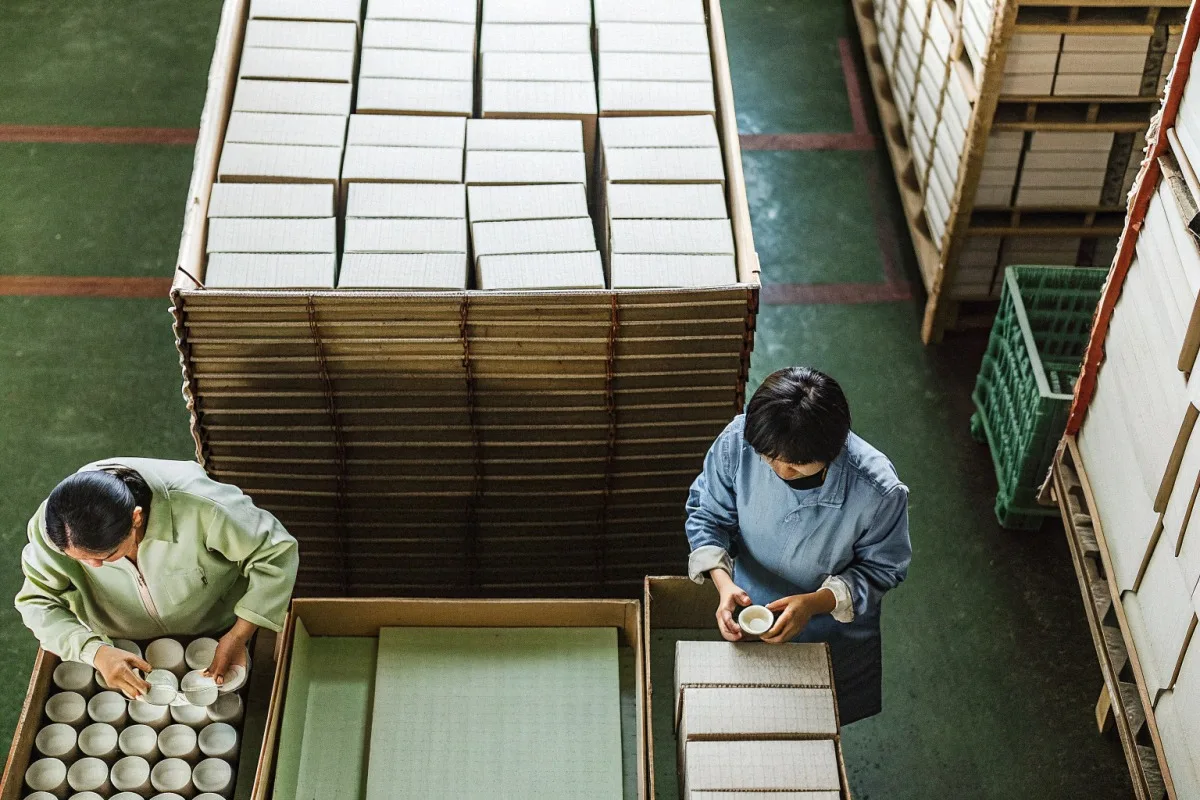
The Math Behind Volume Splits
Equal 50/50 splits rarely make sense. You lose bulk discounts with both suppliers. Neither gives you priority treatment. Costs rise while relationships weaken.
An 80/20 split works better. Your primary supplier handles most volume. They keep your bulk pricing. Your backup receives enough orders to stay engaged and ready.
| Split Ratio | Primary Benefits | Backup Status | Cost Impact |
|---|---|---|---|
| 100/0 | Maximum bulk discount | Inactive, risky | Lowest until disruption |
| 80/20 | Strong bulk pricing | Active, ready | Slight increase |
| 70/30 | Good pricing | Very active | Moderate increase |
| 50/50 | Lost volume leverage | Active | Highest ongoing cost |
Keeping Backup Suppliers Warm
A dormant backup is almost useless. When you need them urgently, they may have filled capacity elsewhere. They may have changed processes. They may have forgotten your specifications.
Regular small orders solve this. Even 200-500 units quarterly keeps them engaged. They maintain your tooling. They remember your quality standards. They can ramp up quickly when needed.
Some buyers use backups for specific SKUs. Your primary handles bestsellers. Your backup produces slower-moving items. Both stay active with meaningful business.
Negotiating Flexible Contracts
Discuss flexibility upfront with backup suppliers. Explain your dual-sourcing strategy honestly. Good suppliers understand and appreciate the transparency.
Pre-negotiate pricing tiers for different volumes. Agree on rush order premiums in advance. Set clear lead times for standard and emergency orders. Document everything in writing.
Ask about MOQ flexibility. For custom enamel mugs, typical MOQs range from 500-1000 units. A backup willing to accept smaller qualification orders proves their interest in the relationship.
Cash Flow Considerations
Dual sourcing should not strain cash flow. Structure payments smartly. Consolidate backup orders with primary shipments when possible. Negotiate similar payment terms with both suppliers.
Track total procurement costs quarterly. Compare against single-sourcing baseline. The slight premium for dual sourcing should look small against potential disruption costs.
How do I ensure my custom branding remains consistent if I switch to my backup manufacturer?
When we produce custom enamel mugs for different brands, color matching is critical. A slight difference in blue or green destroys brand consistency. Your customers will notice.
Ensure custom branding consistency by providing detailed brand guidelines, Pantone color codes, approved samples for reference, and conducting side-by-side comparisons between suppliers. Require backup factories to match your primary supplier's output exactly through documented specifications and regular audit orders.

Creating Comprehensive Brand Specifications
Vague instructions cause inconsistent results. Document everything your backup needs to replicate your branding exactly.
Your specification package should include Pantone color codes 6 for all brand colors, artwork files in multiple formats, exact placement measurements, approved sample photos from multiple angles, and tolerance limits for acceptable variation.
The Pantone Matching Challenge
Enamel surfaces reflect color differently than paper swatches. The same Pantone code may look slightly different on metal. This frustrates many buyers.
Solve this by creating physical reference samples. Send your backup supplier approved mugs from your primary. Ask them to match the actual product, not just the Pantone code. This eliminates interpretation differences.
Print Technique Alignment
Different printing techniques produce different results. Screen printing, sublimation, and digital printing each have strengths. Your backup must use the same technique as your primary.
| Print Method | Best For | Durability | Cost | Color Accuracy |
|---|---|---|---|---|
| Screen Print | Simple logos | Excellent | Low | Good |
| Sublimation | Photo images | Very good | Medium | Excellent |
| Digital Print | Complex designs | Good | Higher | Excellent |
| Decal Transfer | Small runs | Variable | Medium | Good |
If techniques differ, results differ. Confirm alignment before placing backup orders.
Approval Process Protocol
Establish a clear approval process. Before any production run, your backup must submit pre-production samples. Compare against your master reference.
Never skip this step to save time. One bad batch damages your brand more than a short delay. Build sample approval time into your backup activation timeline.
Documentation for Seamless Transitions
Prepare a complete handoff package. When you need to switch quickly, your backup should have everything ready. This includes current artwork files, latest specifications, approved samples, quality acceptance criteria, and packaging requirements.
Update this package whenever you make changes with your primary. Keeping backup documentation current prevents scrambling during emergencies.
Conclusion
Building a backup supplier plan protects your enamel mug business from costly disruptions. Start by qualifying two backups today. Test them with small orders. Keep them active and ready to scale when you need them most.
Footnotes
1. Overview of supply chain risk management from a government agency. ↩︎
2. Replaced with a relevant Wikipedia page discussing the concept of having multiple suppliers, similar to dual sourcing, maintaining the original source type. ↩︎
3. Provides an overview of the German Food and Feed Code for food contact materials. ↩︎
4. Official information on the EU’s REACH chemical regulation for human health and environment. ↩︎
5. Official information on the ISO 9001:2015 quality management standard. ↩︎
6. Official information on the Pantone color matching system for consistent branding. ↩︎